Sauce Technique: Simmering Tomato Sauces Until Oil Rises to the Top
Simmering tomato sauces until oil rises to the top is a classic technique that transforms ordinary canned tomatoes into a rich, velvety sauce that clings to pasta like a dream. This method concentrates the flavors, reduces excess moisture, and creates a luxurious layer of olive oil that signals the sauce is ready. The process might seem simple, but it's the patience and attention to detail that make the difference. Achieving this requires understanding the balance between heat control and timing. As the sauce simmers, the water evaporates, and the natural sugars in the tomatoes caramelize, deepening the flavor. The rising oil is a visual cue that the sauce has reached its peak richness. This technique is particularly effective for making marinara, Bolognese, or any sauce where depth of flavor is key. It's a skill that elevates homemade pasta dishes to restaurant quality. Let's dive into the details of how to master this technique.
Notes
The science behind this technique is simple yet profound. As the sauce simmers, water evaporates, leaving behind concentrated tomato solids and oil. This concentration intensifies the flavor. Common mistakes include simmering at too high a temperature, which can break down the sauce into a mushy mess. To avoid this, keep the heat low and be patient. Safety-wise, ensure your pot is large enough to prevent boil-overs. For make-ahead purposes, let the sauce cool completely before refrigerating it for up to 5 days, or freeze it for up to 3 months. Thaw frozen sauce overnight in the refrigerator before reheating gently.
Steps
- 1 Heat a large, heavy-bottomed pot over medium heat.
- 2 Add 1/4 cup of extra virgin olive oil to the pot.
- 3 Sauté 1 finely chopped onion and 4 minced garlic cloves until translucent.
- 4 Add two 28-ounce cans of whole peeled tomatoes with their juices.
- 5 Crush the tomatoes with a wooden spoon or your hands.
- 6 Season with 1 tablespoon of salt and a generous amount of freshly ground black pepper.
- 7 Bring the sauce to a gentle simmer.
- 8 Reduce the heat to low and maintain a bare simmer.
- 9 Simmer uncovered for 1.5 to 2 hours, stirring occasionally.
- 10 Skim any foam or impurities that rise to the surface.
- 11 Add fresh herbs like basil or oregano in the last 30 minutes of simmering.
- 12 Taste and adjust seasoning if necessary.
- 13 The sauce is ready when a thin layer of oil coats the surface.
- 14 Remove from heat and let it rest for 10 minutes before serving.
Ingredients to explore
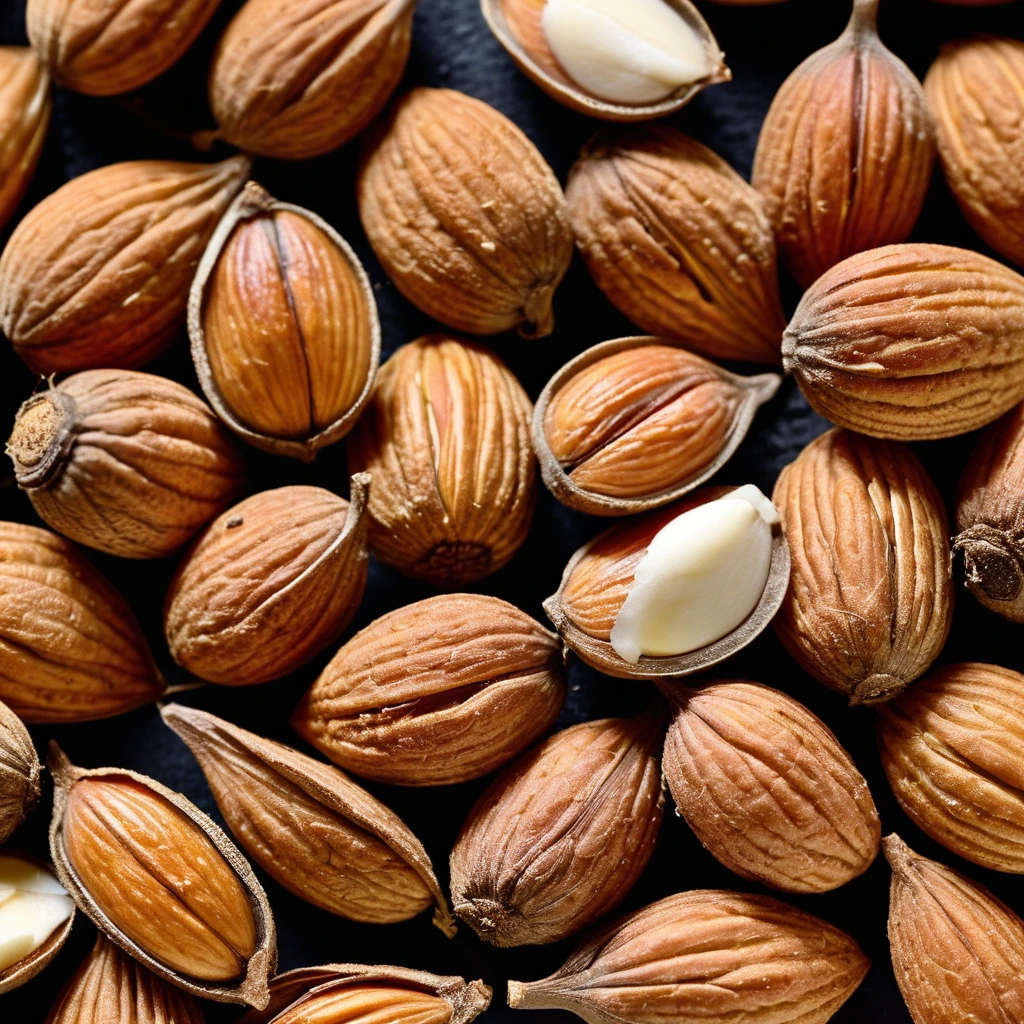
Almond Extract
A fragrant, golden elixir that captures the essence of freshly ground almonds, almond extract is a pantry staple that brings a rich, nutty aroma to your culinary creations.
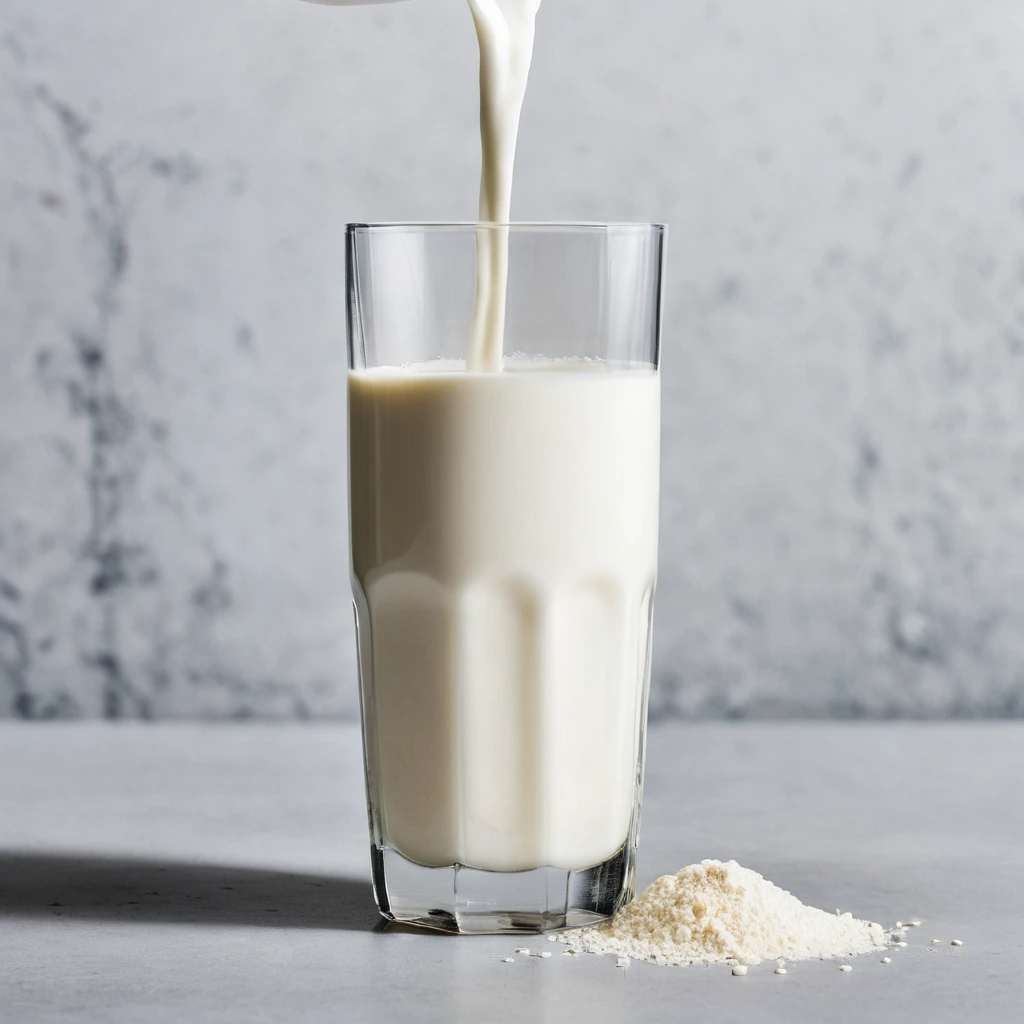
2% Milk
Creamy and just a touch lighter than whole milk, 2% milk offers a perfect balance of richness and reduced fat. Its smooth texture and subtle sweetness make it a delightful choice for sipping or cooking.
Recipes to try
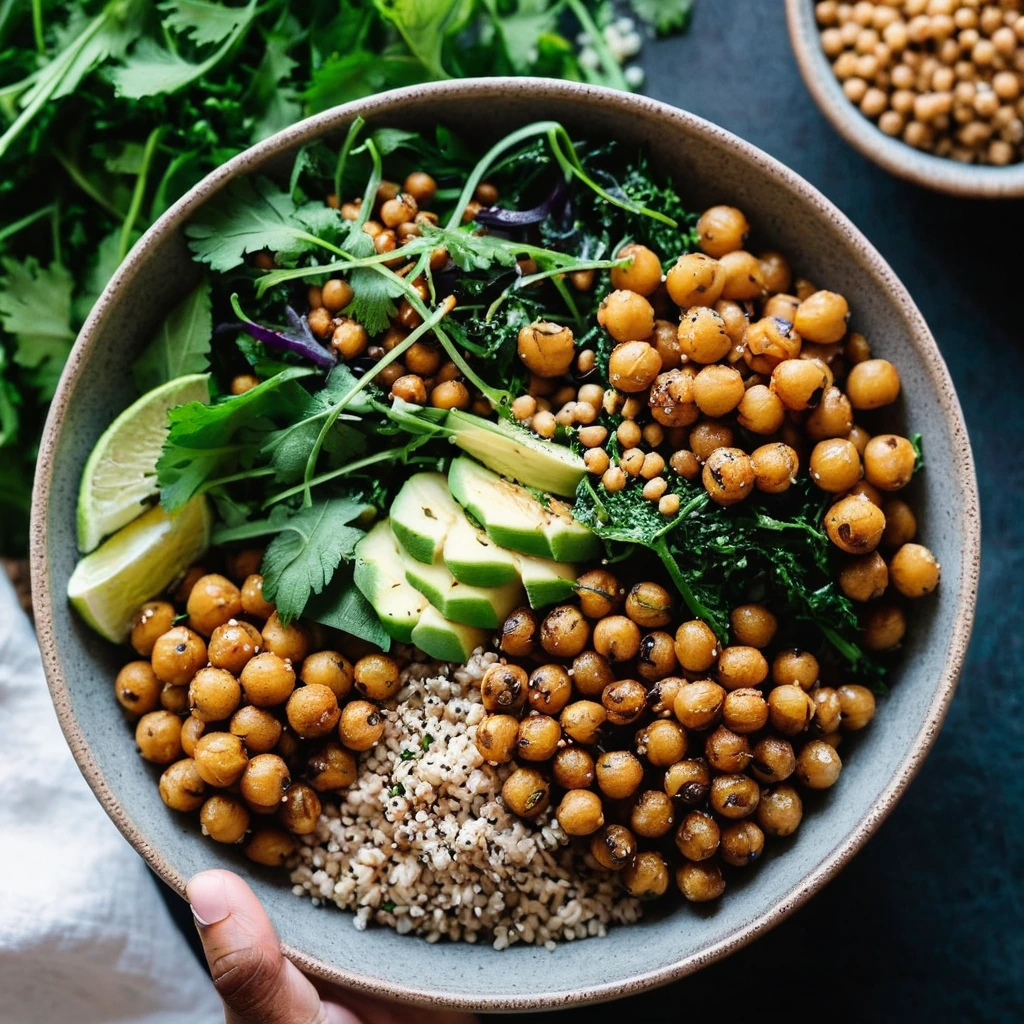
Spicy Sesame Roasted Chickpea Grain Bowls
Crispy, spicy chickpeas meet fluffy grains in a vibrant bowl that'll have your taste buds cheering for more.
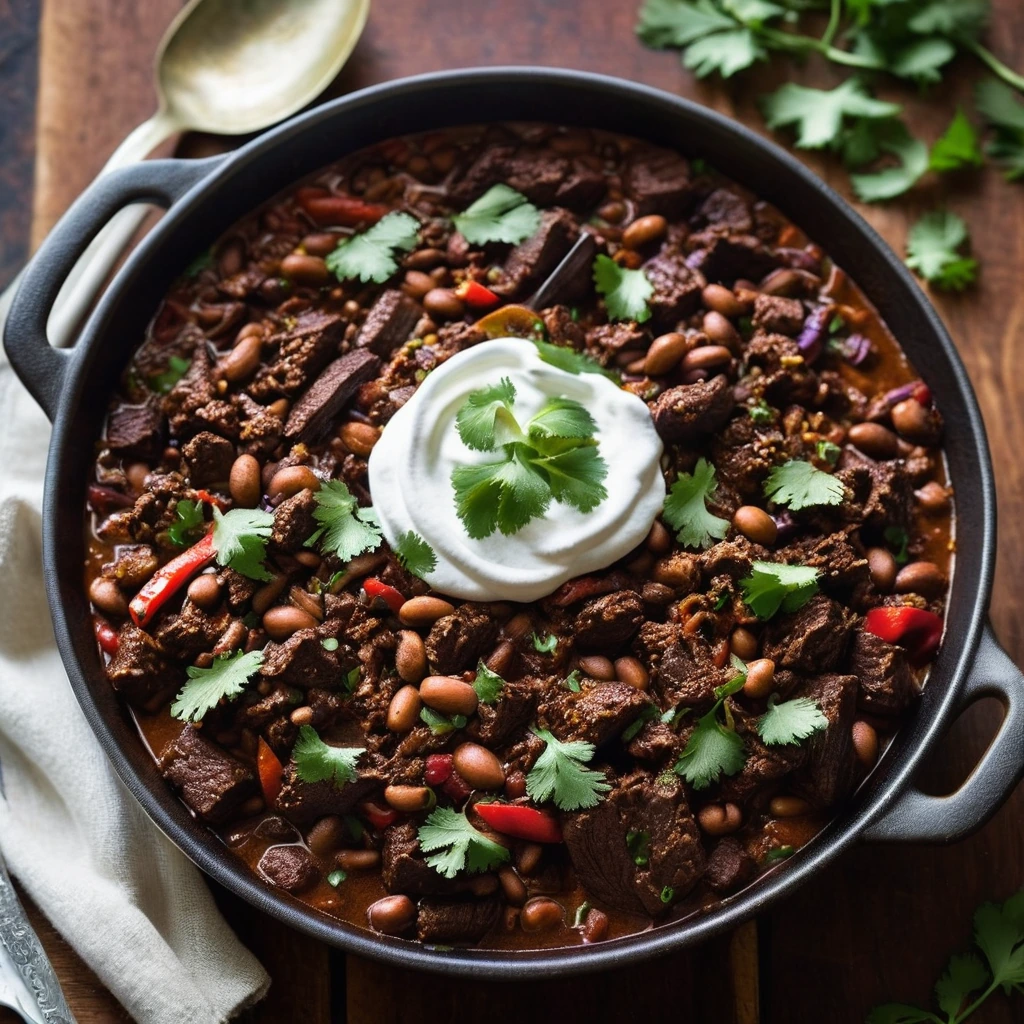
Smoky Ancho Chili Beef and Bean Skillet
Rich, smoky, and deeply satisfying, this skillet dish combines tender beef with hearty beans for a comforting meal.