Safety: Washing Reusable Towels and Sponges Frequently
Keeping your kitchen clean is just as important as cooking with fresh ingredients. One often overlooked aspect is the cleanliness of reusable towels and sponges. These handy tools can harbor bacteria, leading to potential health risks. In this guide, we dive deep into why washing reusable towels and sponges is crucial for kitchen safety, and how to do it effectively. We'll explore the science behind bacterial growth, discuss common mistakes to avoid, and provide practical tips to ensure your kitchen remains a haven of hygiene. From understanding the ideal washing temperatures to recognizing when it's time to retire your kitchen helpers, this comprehensive guide will arm you with the knowledge to maintain a safe and efficient cooking space. Let's ensure your culinary adventures are not just delicious, but safe too.
Notes
Understanding the science behind washing towels and sponges is crucial. High temperatures help to kill bacteria and viruses, making hot water essential. However, overuse of bleach can weaken fabric fibers over time, so moderation is key. A common mistake is not drying items completely, as damp environments encourage bacterial growth. For safety, always handle cleaning products with care, wearing gloves if necessary. To maintain hygiene, aim to wash towels and sponges at least once a week or more frequently if they've been used heavily. For storage, ensure items are completely dry before storing to prevent mold and mildew.
Steps
- 1 Gather all reusable towels and sponges from your kitchen.
- 2 Check for any visible stains or odors indicating the need for immediate washing.
- 3 Sort towels and sponges by color to prevent dye transfer.
- 4 Preheat your washing machine to the hottest water setting safe for the materials, usually 140°F or higher.
- 5 Add a quality laundry detergent suitable for hot water washing.
- 6 For extra disinfection, add 1 cup of bleach for white items or a color-safe bleach alternative for colored ones.
- 7 Run the washing machine through a full cycle.
- 8 If possible, run a second rinse cycle to ensure all detergent and bleach are removed.
- 9 Dry towels completely in a dryer on high heat for at least 45 minutes.
- 10 For sponges, microwave them wet for 2 minutes to kill additional germs before machine washing.
- 11 Allow sponges to air dry thoroughly after microwaving before reuse.
- 12 Check towels and sponges for wear and tear, discarding any that are overly frayed or deteriorated.
- 13 Wash hands thoroughly after handling dirty towels and sponges.
Ingredients to explore
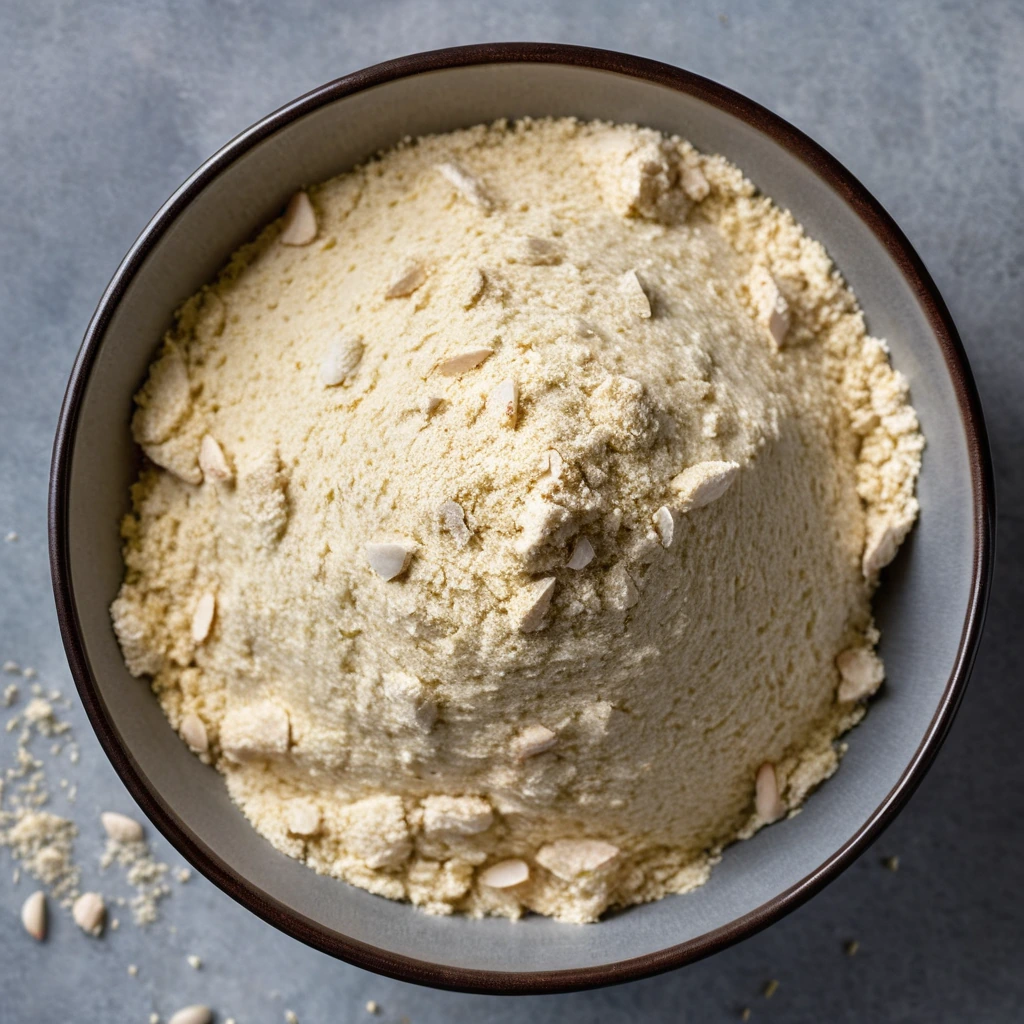
Almond Flour
A finely ground flour made from blanched almonds, offering a delicate nutty aroma and a tender crumb to your baked goods.
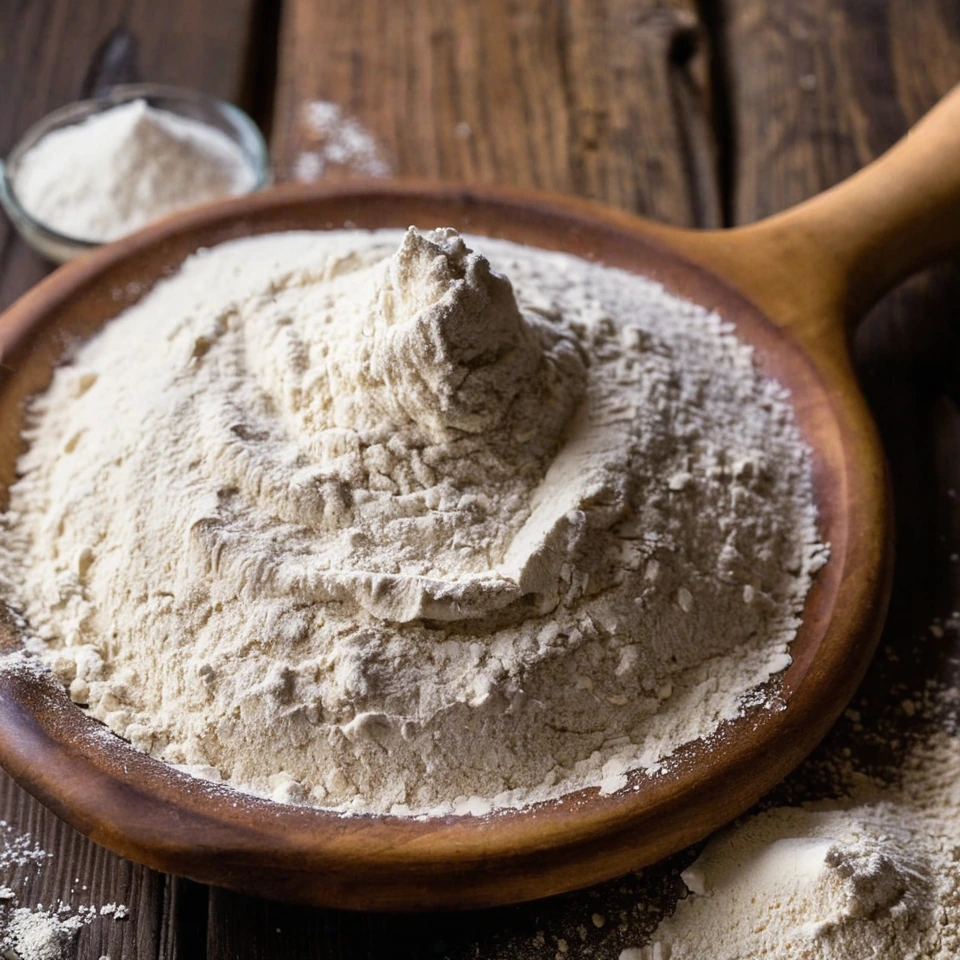
All-Purpose Flour
All-purpose flour is a versatile wheat flour that contains a moderate level of protein and gluten, making it suitable for a wide range of baking and cooking needs.
Recipes to try
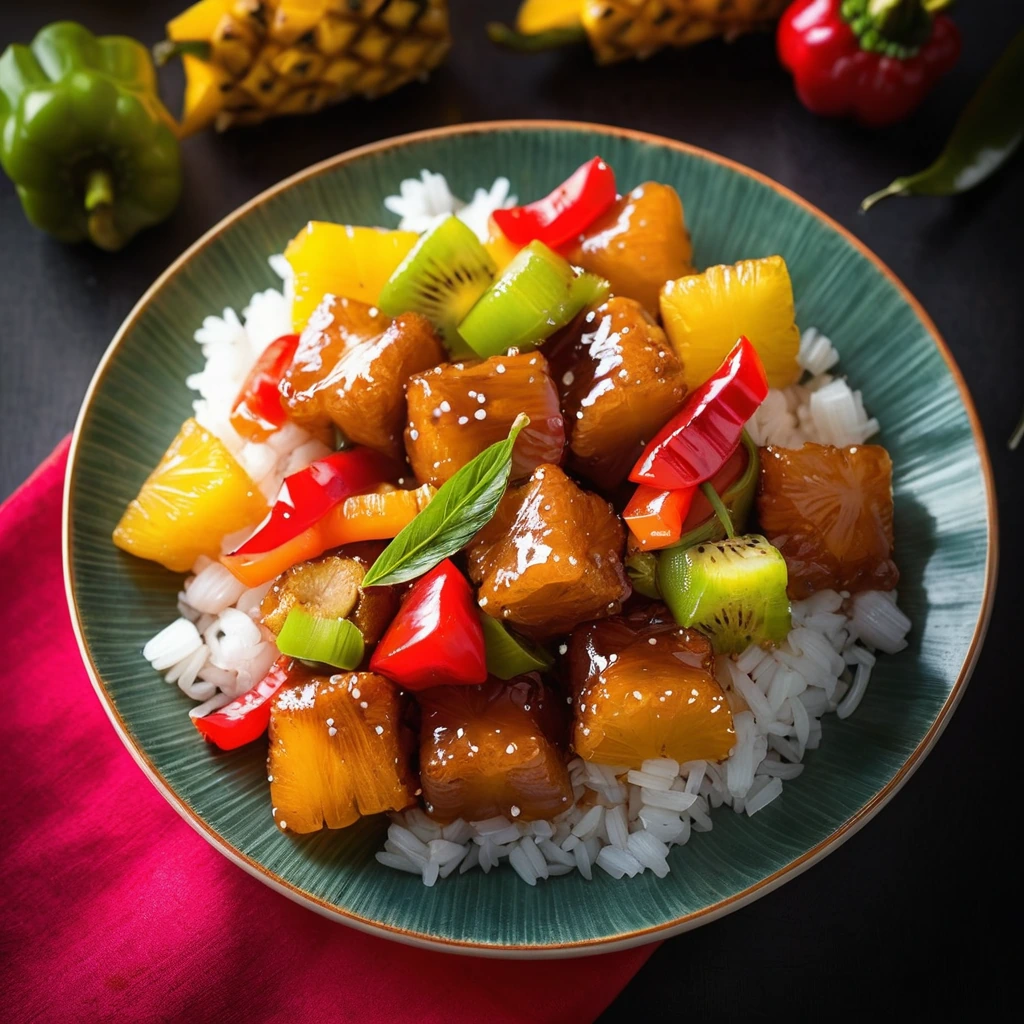
Sweet and Sour Pork with Pineapple and Peppers
Tangy, sweet, and a touch sour, this pork dish is a carnival of flavors with juicy pineapple chunks and crisp bell peppers.

Lemon Garlic Butter Shrimp and Asparagus Sheet Pan
Bright and zesty, this sheet pan dinner is a burst of sunshine with tender shrimp and crisp asparagus in a luscious garlic butter sauce.