Safety: Smothering Small Grease Fires Safely
Grease fires are one of the most common kitchen emergencies, but understanding how to smother them safely can prevent disaster. Unlike other types of fires, grease fires require a unique approach due to the volatile nature of cooking oils and fats. When overheated, these substances can ignite and, if mishandled, lead to dangerous flare-ups. This technique outlines how to effectively and safely extinguish small grease fires using readily available tools. By following these steps, you can minimize risk and protect your home. First, it's crucial to recognize the danger signs: smoke, flames, or a sputtering sound from a pan. Acting quickly yet calmly is essential. Never attempt to move the pan or use water, as both actions can spread the fire. Instead, smothering the fire deprives it of oxygen, effectively extinguishing the flames. Common household items like baking soda, salt, or a Class B fire extinguisher can be your allies in this situation. Additionally, a metal lid or cookie sheet can serve as a quick barrier to cut off oxygen supply. Understanding this technique not only prepares you for an emergency but also instills confidence in your cooking endeavors, ensuring your kitchen remains a safe and enjoyable space.
Notes
Understanding the science behind smothering grease fires is crucial. When you deprive a fire of oxygen, you disrupt the combustion process, effectively extinguishing it. Common mistakes include using water, which causes oil to splatter and spread the fire, or attempting to move the burning pan, increasing risk of injury. Safety is paramount, so always prioritize your well-being over property. It's wise to keep baking soda and a Class B fire extinguisher accessible in your kitchen. For make-ahead considerations, ensure your fire extinguisher is checked annually and familiarize everyone in your household with your fire safety plan. Store grease properly to prevent future fires, and always clean up cooking surfaces after use.
Steps
- 1 Turn off the heat source immediately.
- 2 Wear oven mitts to protect your hands from heat.
- 3 Cover the pan with a metal lid to cut off oxygen.
- 4 If no lid is available, use a metal cookie sheet to smother the flames.
- 5 Stand back after covering to avoid steam burns.
- 6 If the fire is small, sprinkle baking soda or salt over it.
- 7 Avoid using flour or water, as they can worsen the fire.
- 8 Keep a Class B fire extinguisher nearby for emergencies.
- 9 Do not attempt to move the pan, even if the fire appears out.
- 10 Call emergency services if the fire grows out of control.
- 11 Once the fire is out, allow the pan to cool before inspecting.
- 12 Dispose of the extinguished grease properly to avoid reigniting.
- 13 Clean up any spills immediately to prevent future accidents.
- 14 Review and practice your fire safety plan regularly.
Ingredients to explore
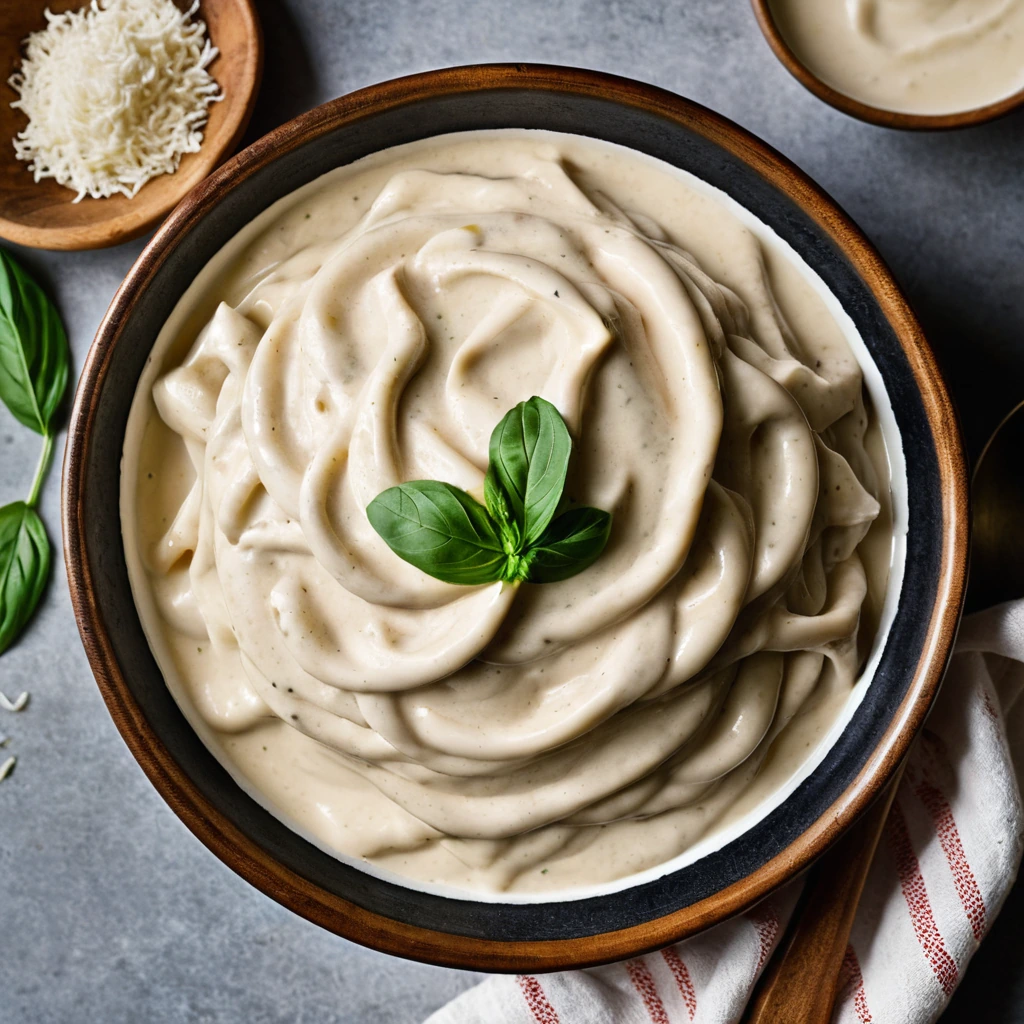
Alfredo Sauce
Creamy, rich, and utterly indulgent, Alfredo sauce is a dreamy blend of butter, heavy cream, and Parmesan cheese. Its velvety texture and savory depth make it a beloved staple in Italian-American cuisine.
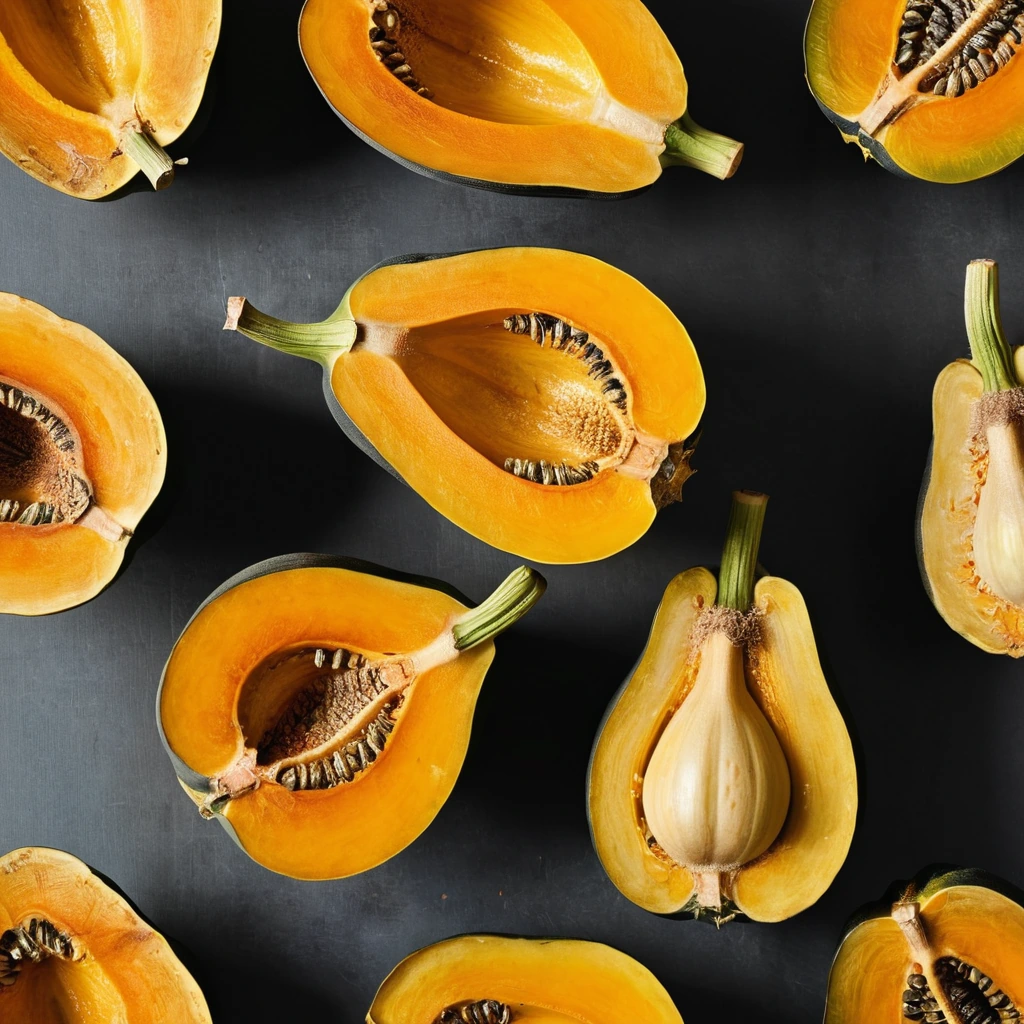
Acorn Squash
Acorn squash is a winter squash variety known for its distinctive teardrop shape and deep ridges resembling the texture of an acorn shell. Originating in the Americas, it has been cultivated for centuries and is a staple in autumn cuisine. The flesh is sweet and nutty with a hint of earthiness, offering a delightful contrast to savory dishes. Its texture is dense yet tender when cooked, making it ideal for roasting or pureeing. In cooking, acorn squash holds its shape well and absorbs flavors from herbs and spices, enhancing both its taste and versatility in recipes.
Recipes to try
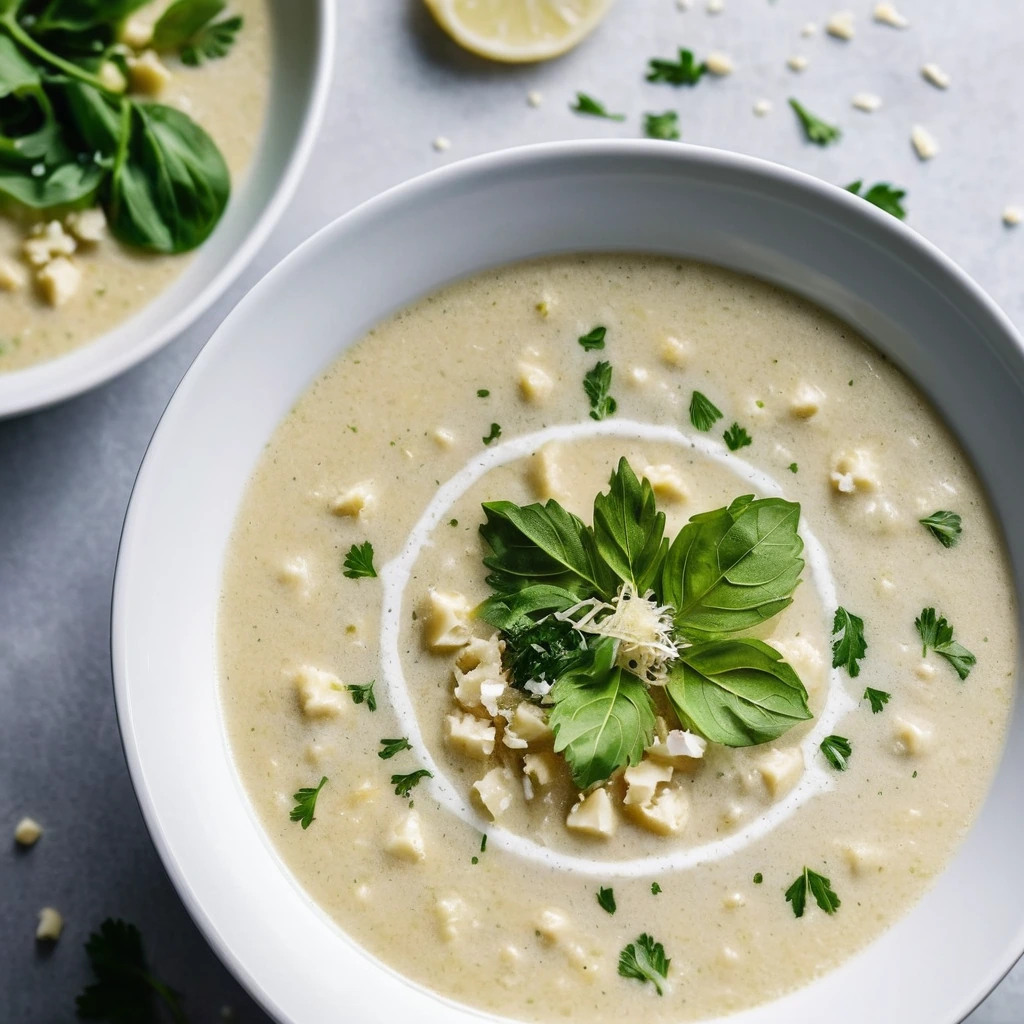
Roasted Cauliflower and Garlic Soup with Parmesan
This velvety soup is a symphony of roasted cauliflower and garlic, kissed with nutty Parmesan for a cozy, crave-worthy bowl.

Shrimp and Sausage Gumbo Style Stew
A hearty, soul-warming stew packed with plump shrimp, spicy sausage, and a rich, dark roux-based broth.