Preservation Technique: Using Acid and Salt for Food Safety
Preserving food with acid and salt is a time-honored technique that ensures safety and extends shelf life without refrigeration. This method works by creating an environment hostile to harmful bacteria, fungi, and other microorganisms. Acid lowers the pH, making it difficult for pathogens to survive, while salt draws moisture out of cells through osmosis, inhibiting microbial growth. Together, they create a formidable barrier against spoilage. This technique is widely used in making pickles, sauerkraut, kimchi, and cured meats. Understanding how to properly use acid and salt not only preserves your produce but also enhances flavor, creating tangy, savory delights. The key to success lies in maintaining the correct balance of ingredients and ensuring cleanliness throughout the process to prevent contamination. Whether you're a novice or seasoned home cook, mastering this technique opens up a world of preserved culinary possibilities.
Notes
The science behind this technique is straightforward: salt dehydrates cells while acid creates an inhospitable environment for pathogens. Always use clean utensils and containers to prevent contamination. A common mistake is using too little salt or acid, which can lead to spoilage. For safety, ensure that vegetables are completely submerged in the brine to avoid mold growth. This method is ideal for short-term storage, but refrigeration can extend shelf life. Prepared items can often be frozen for longer storage, though texture may change. When making ahead, always store in airtight containers to maintain freshness.
Steps
- 1 Select fresh, high-quality produce or meat for preservation.
- 2 Clean your produce thoroughly to remove dirt and potential contaminants.
- 3 Prepare a brine solution using 1 tablespoon of salt per cup of water.
- 4 For acidic preservation, use vinegar or lemon juice at a ratio of 1 part acid to 2 parts brine.
- 5 Submerge the produce completely in the brine solution to ensure full coverage.
- 6 Use weights to keep produce beneath the surface of the brine if necessary.
- 7 Cover the container with a clean cloth or lid, allowing air circulation for fermentation if applicable.
- 8 Store in a cool, dark place for at least 1 to 2 weeks for pickles or sauerkraut.
- 9 Check daily for signs of spoilage such as mold or off odors.
- 10 Taste test after the initial curing period to determine if desired flavor is achieved.
- 11 Transfer preserved items to clean, sterilized jars for longer-term storage.
- 12 Seal jars tightly and store in a cool, dark place or refrigerate.
- 13 Label jars with the date of preservation for future reference.
- 14 Consume within a few months for optimal flavor and safety.
Ingredients to explore
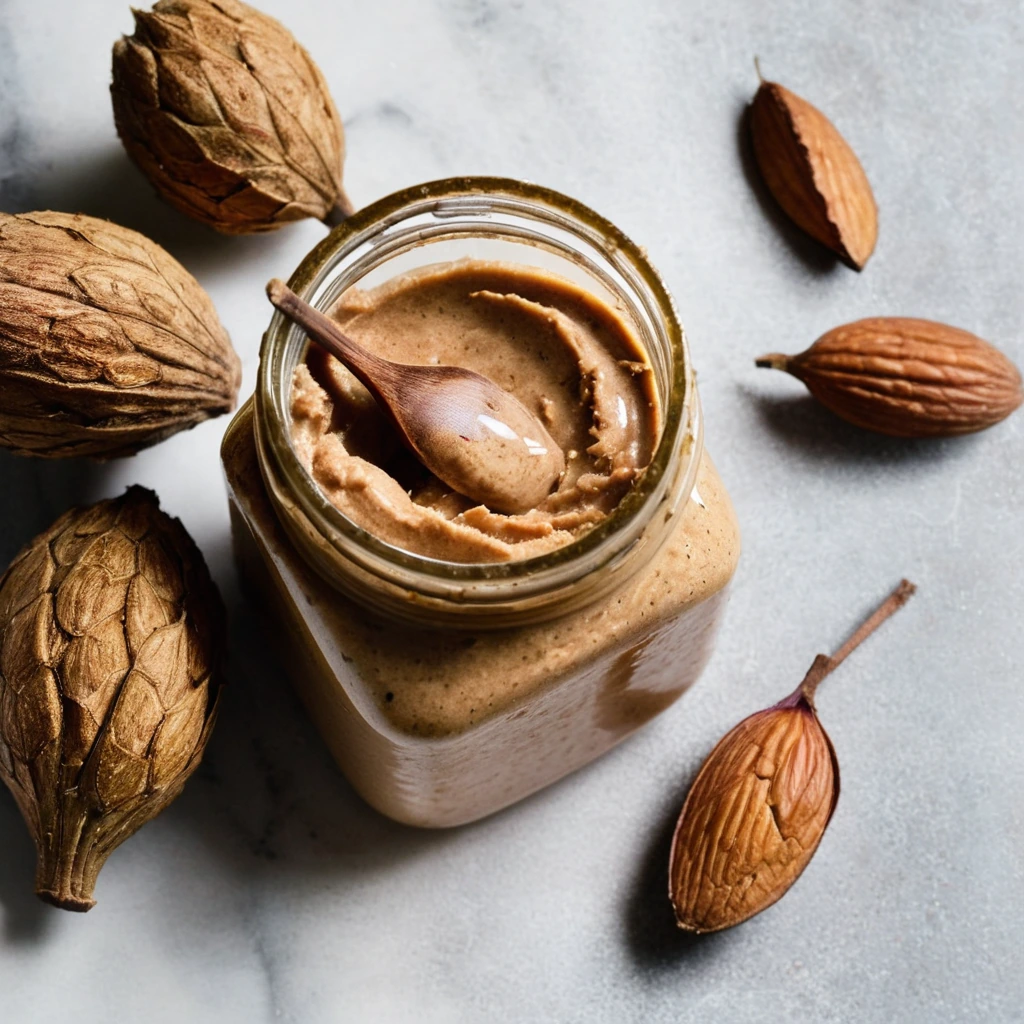
Almond Butter
A velvety, nutty spread crafted from finely ground almonds, offering a rich and satisfying flavor that's both comforting and indulgent.
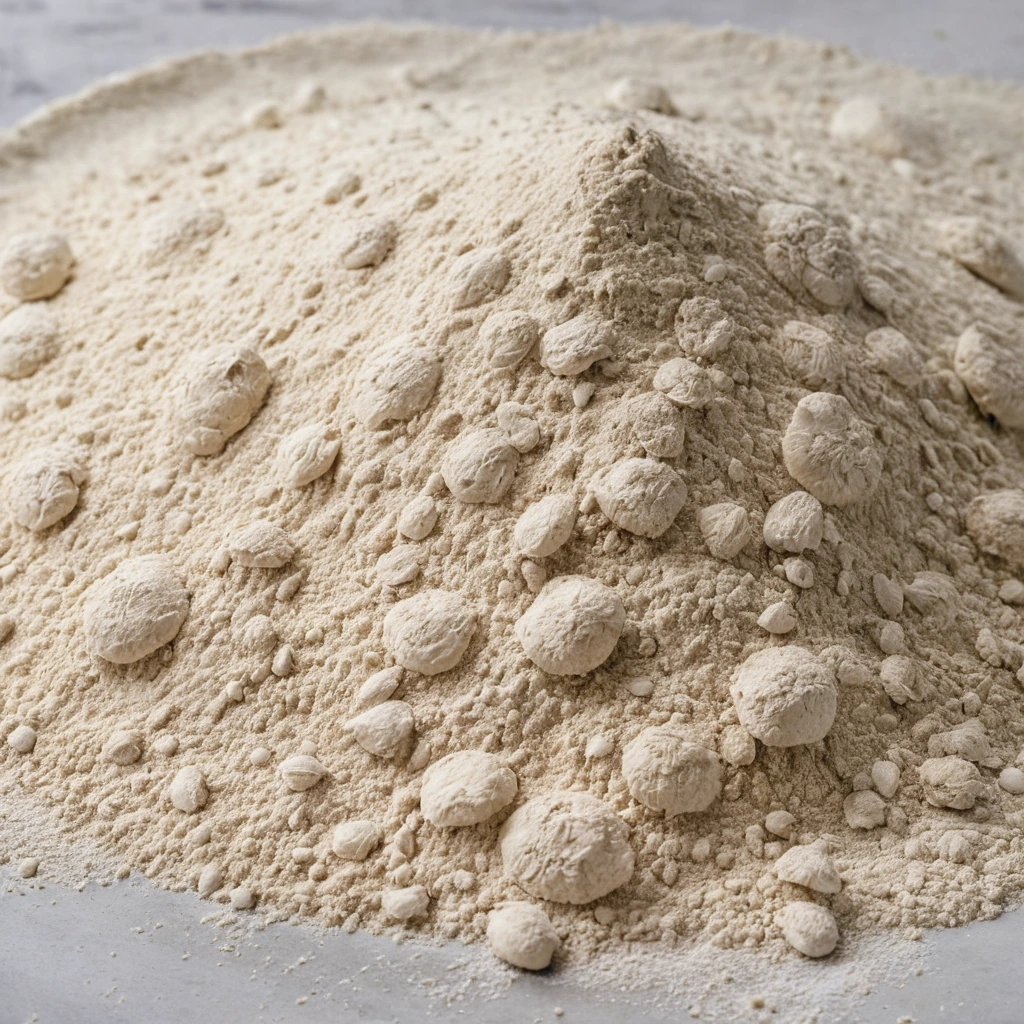
00 Pizza Flour
00 pizza flour is a finely milled Italian flour prized for its versatility in creating authentic Neapolitan-style pizza crusts. Originating from Italy, it is milled to a very fine consistency, which is reflected in its name, 'doppio zero,' indicating its fine grind. This flour has a balanced flavor profile, offering a mild, slightly sweet taste with a subtle nuttiness. Its texture is silky and smooth, contributing to a tender yet chewy crust when used in pizza making. In cooking, 00 pizza flour is known for its ability to hydrate quickly and develop a desirable gluten structure, resulting in a light and airy crust that can withstand high-heat cooking without becoming overly crispy or hard.
Recipes to try
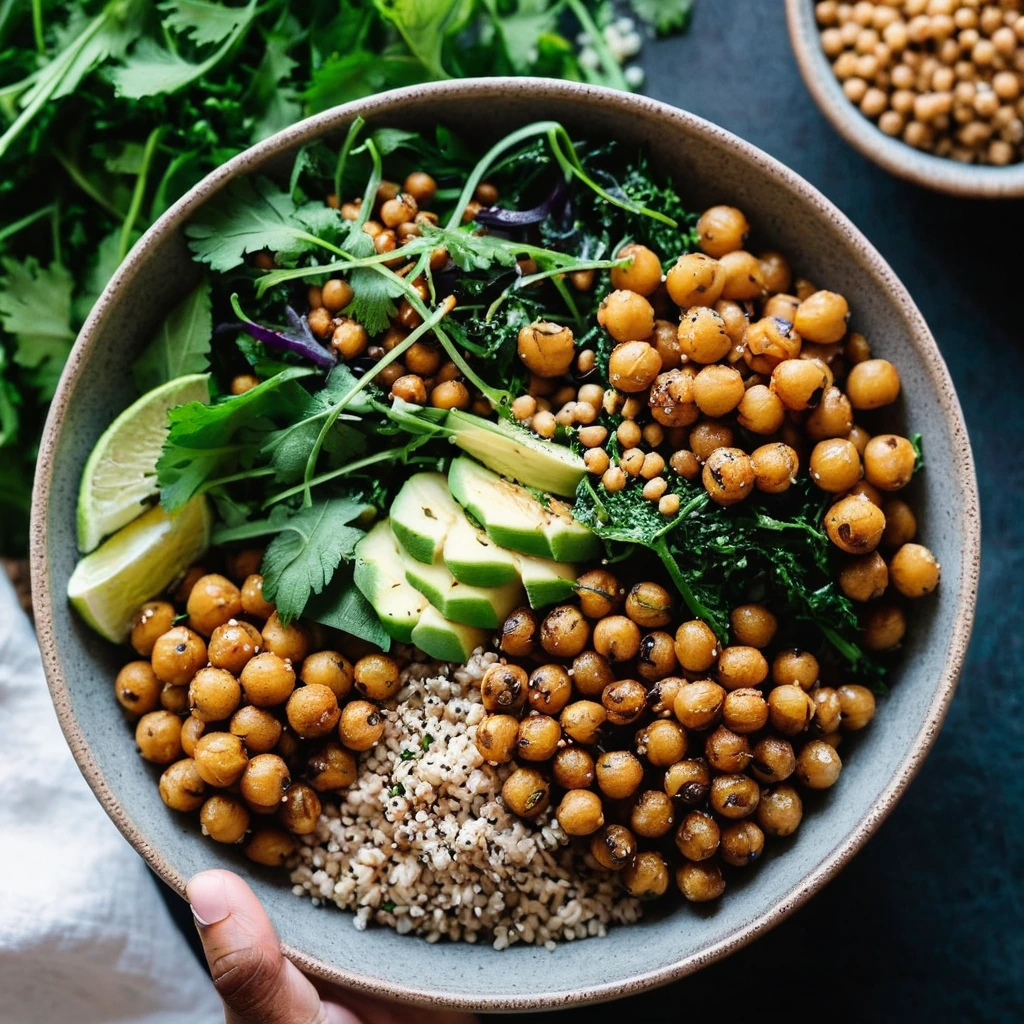
Spicy Sesame Roasted Chickpea Grain Bowls
Crispy, spicy chickpeas meet fluffy grains in a vibrant bowl that'll have your taste buds cheering for more.
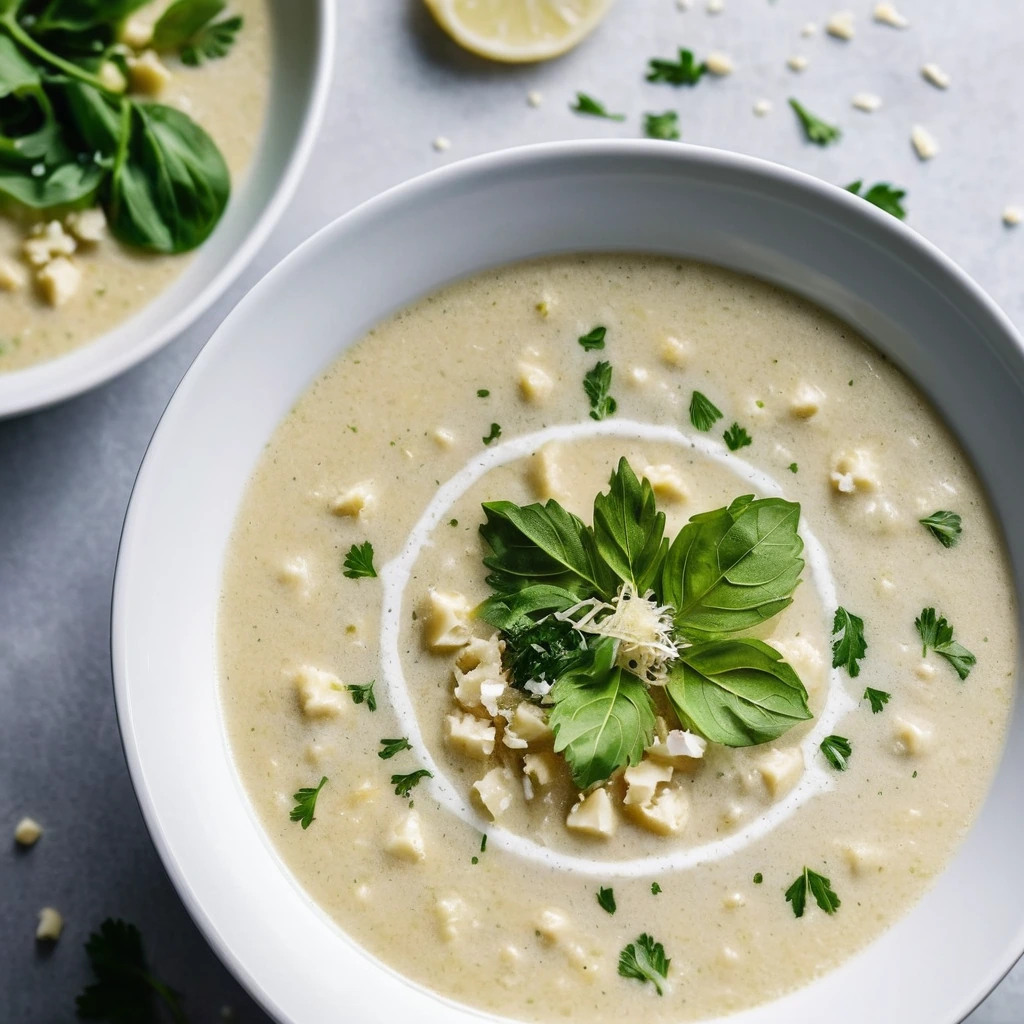
Roasted Cauliflower and Garlic Soup with Parmesan
This velvety soup is a symphony of roasted cauliflower and garlic, kissed with nutty Parmesan for a cozy, crave-worthy bowl.