Precision Knife Work: Fabricating a Whole Beef Tenderloin
Fabricating a whole beef tenderloin is a culinary skill that transforms a simple cut into a masterpiece of precision and presentation. This technique is essential for anyone looking to elevate their home cooking to professional standards. The beef tenderloin, often referred to as the filet mignon, is a prized cut of beef known for its tenderness and mild flavor. Learning to fabricate it properly ensures you maximize its potential and minimize waste. The process involves several key steps, starting with identifying the primal cut and ending with perfectly portioned pieces ready for cooking. Each step requires attention to detail, from the angle of your knife to the rhythm of your cuts. Understanding the anatomy of the tenderloin is crucial; it's a narrow, long muscle that tapers at one end and hosts the chain, a small muscle running along its side. Removing the chain properly is vital for uniform cooking. Additionally, mastering the French technique of tying the tenderloin can ensure even cooking if you plan to roast it whole. This guide will walk you through the process with clarity and precision, empowering you to handle this luxurious cut with confidence.
Notes
The science behind fabricating a beef tenderloin lies in understanding muscle structure and fat distribution. The chain muscle, if left intact, can lead to uneven cooking due to its denser texture. Removing it allows for uniform cooking and presentation. A common mistake is using a dull knife, which can result in uneven cuts and potential damage to the meat's texture. Always use a sharp knife and maintain a steady hand. Safety is crucial; ensure your cutting board is stable and use a fork to hold the meat when necessary. For storage, keep the fabricated tenderloin portions in airtight containers or tightly wrapped in plastic wrap for up to 3 days in the refrigerator. For longer storage, vacuum-seal and freeze for up to 3 months.
Steps
- 1 Gather a sharp chef's knife, a boning knife, kitchen twine, and a clean cutting board.
- 2 Lay the whole beef tenderloin on the cutting board with the narrow end facing you.
- 3 Identify and locate the chain muscle running along the side of the tenderloin.
- 4 Using a boning knife, carefully separate the chain muscle from the tenderloin.
- 5 Trim any excess fat or silver skin from the tenderloin using your chef's knife.
- 6 Starting at the narrow end, slice the tenderloin into even portions for medallions or steaks.
- 7 Optionally, tie the tenderloin with kitchen twine at 1-inch intervals if roasting whole to ensure even thickness.
- 8 Chill the portions or whole tenderloin uncovered in the refrigerator for at least 30 minutes before cooking.
- 9 Pat the tenderloin dry with paper towels before seasoning or cooking.
Ingredients to explore
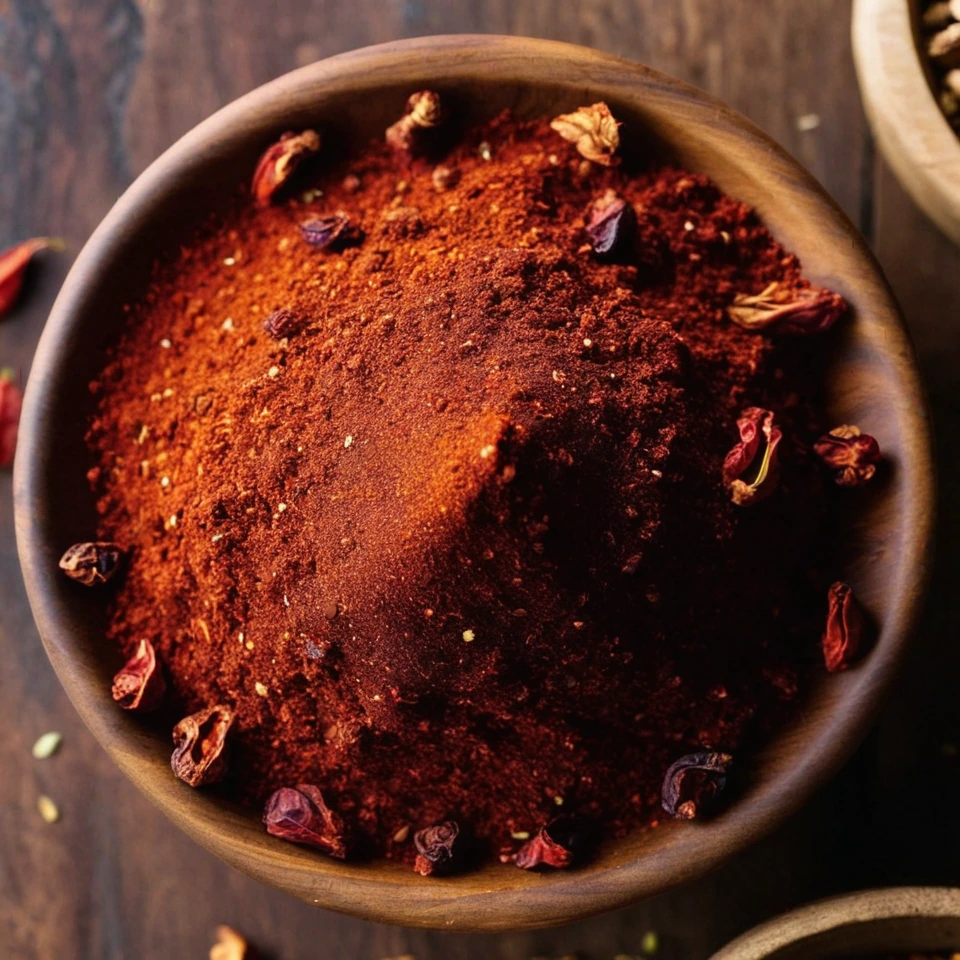
Aleppo Pepper
Aleppo pepper offers a harmonious balance of heat and sweetness, with a subtle fruity aroma reminiscent of sun-dried tomatoes and currants. Originating from the region around Aleppo, Syria, it has a fine, slightly coarse texture that shatters easily between fingers. Its mild yet complex flavor profile makes it a prized seasoning for enhancing dishes without overwhelming them. Valued for its versatility, it bridges the gap between spice and seasoning, bringing a touch of warmth and depth to a variety of cuisines.
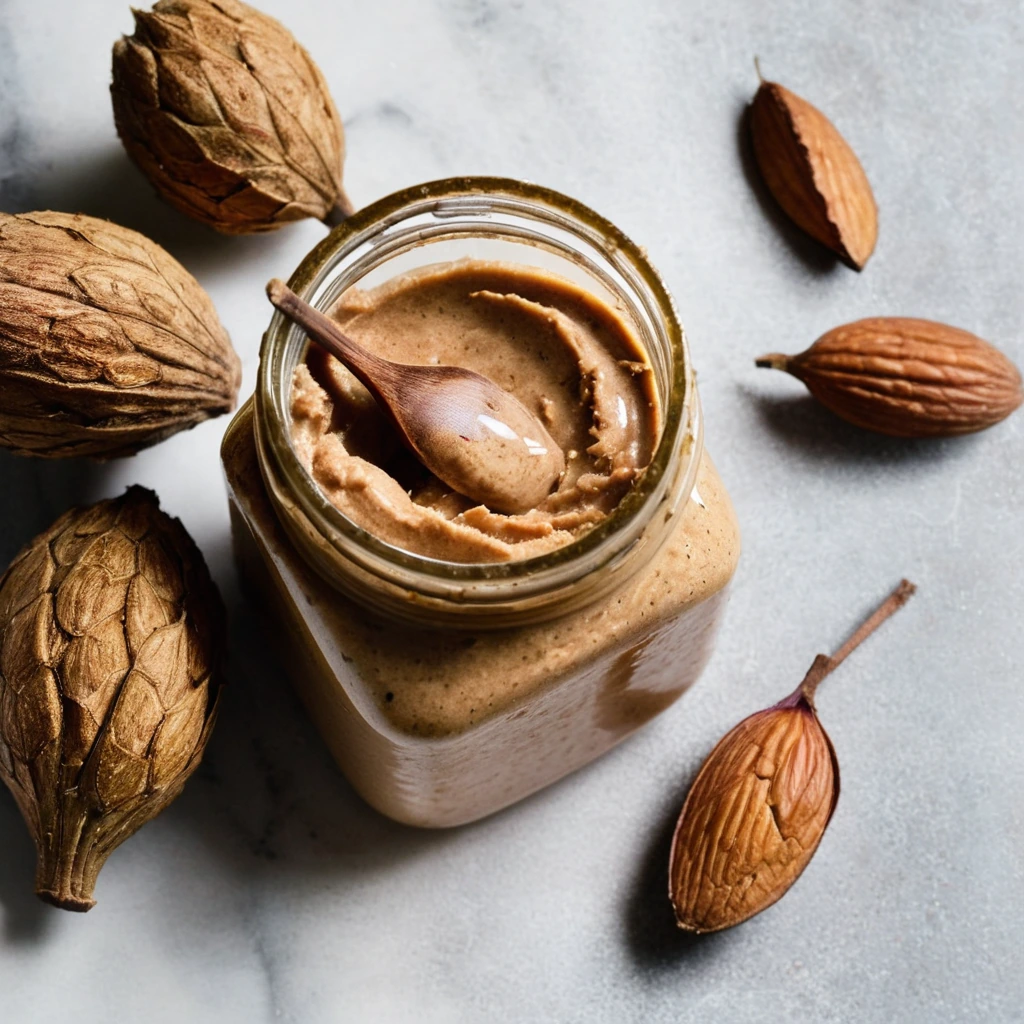
Almond Butter
A velvety, nutty spread crafted from finely ground almonds, offering a rich and satisfying flavor that's both comforting and indulgent.
Recipes to try

Sausage, Egg, and Cheese Croissant Pockets
Buttery croissants envelop a warm, savory trio of sausage, fluffy scrambled eggs, and melty cheese for a breakfast pocket that's pure bliss.
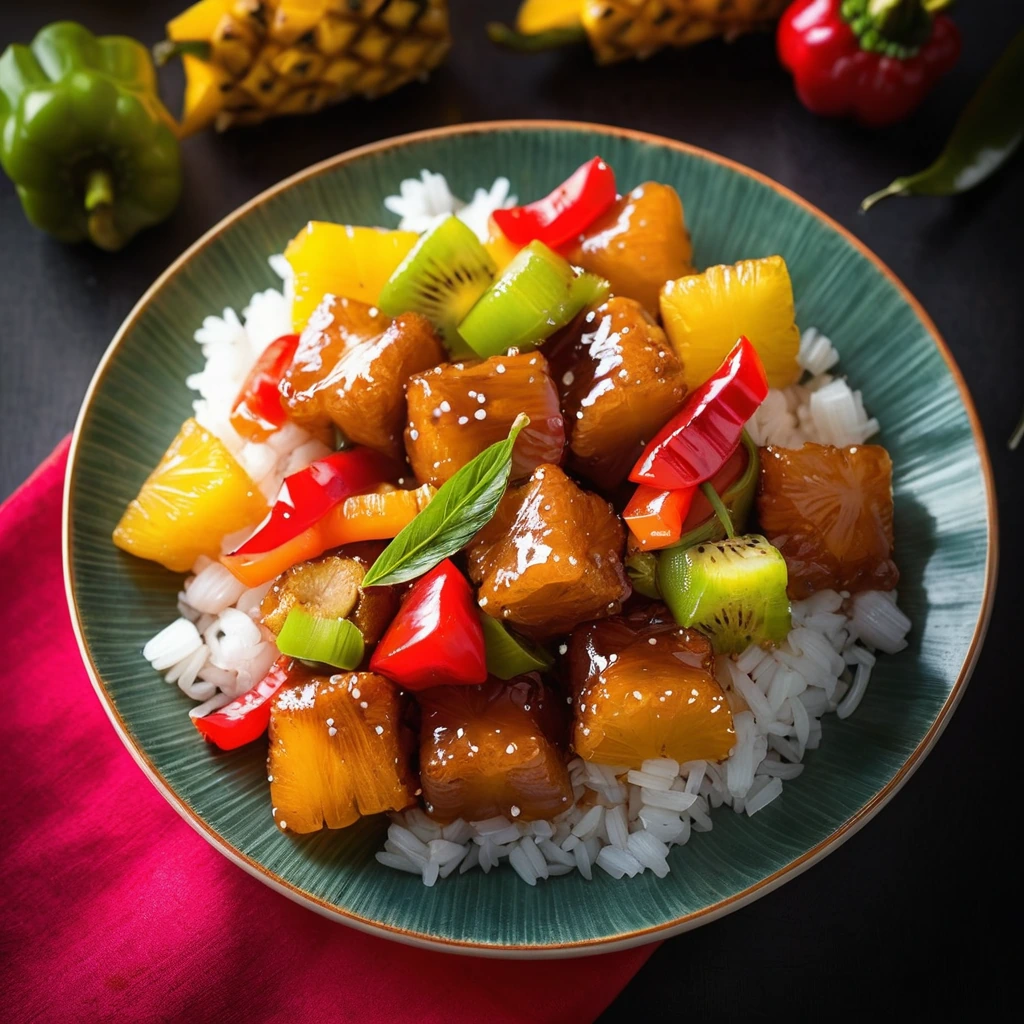
Sweet and Sour Pork with Pineapple and Peppers
Tangy, sweet, and a touch sour, this pork dish is a carnival of flavors with juicy pineapple chunks and crisp bell peppers.