Plating: Building Composed Bowls at Home
Plating isn't just for fancy restaurants—it's an art you can master at home to elevate your meals. Composed bowls are a delightful way to showcase a variety of textures, colors, and flavors in a single, cohesive dish. Whether you're serving a hearty grain bowl or a delicate seafood creation, mastering the technique of plating composed bowls can transform your presentation from ordinary to extraordinary. Start by selecting a base that will tie your ingredients together, like a bed of greens, a scoop of grains, or a smear of sauce. Balance is key: consider the interplay between colors and textures to create visual interest. Layering ingredients thoughtfully not only makes your dish look professional but also enhances the dining experience. Don't forget to consider the height and dimension of your components to add depth to your bowl. Garnishes are your final touch—they can provide a pop of color, a hint of freshness, or a sprinkle of crunch. Remember, plating is about harmony, contrast, and creativity. Dive into the world of composed bowls and let your culinary imagination shine.
Notes
The science behind a well-composed bowl lies in the interplay of flavors, textures, and visual cues that stimulate the appetite. To troubleshoot common mistakes, avoid overcrowding your bowl—too many elements can overwhelm the palate. Pay attention to temperature contrasts, like adding a cool avocado slice to a warm grain bowl, to enhance the experience. For safety, ensure all components are handled and stored properly to prevent spoilage. For make-ahead convenience, prepare components separately and assemble just before serving to maintain freshness and texture. Store leftovers in airtight containers, though composed bowls are best enjoyed fresh.
Steps
- 1 Choose a base ingredient that complements your main components.
- 2 Select 3-5 components with varying colors and textures.
- 3 Prepare each component to ensure they are at their best flavor and texture.
- 4 Start plating by placing the base ingredient in the center of the bowl.
- 5 Arrange your main component atop the base, ensuring it is the focal point.
- 6 Add secondary components around the main component, creating layers and balance.
- 7 Incorporate a drizzle or dollop of sauce for added flavor and visual appeal.
- 8 Finish with garnishes like fresh herbs, seeds, or a sprinkle of spices.
- 9 Check the composition from above and adjust for balance and harmony.
Ingredients to explore
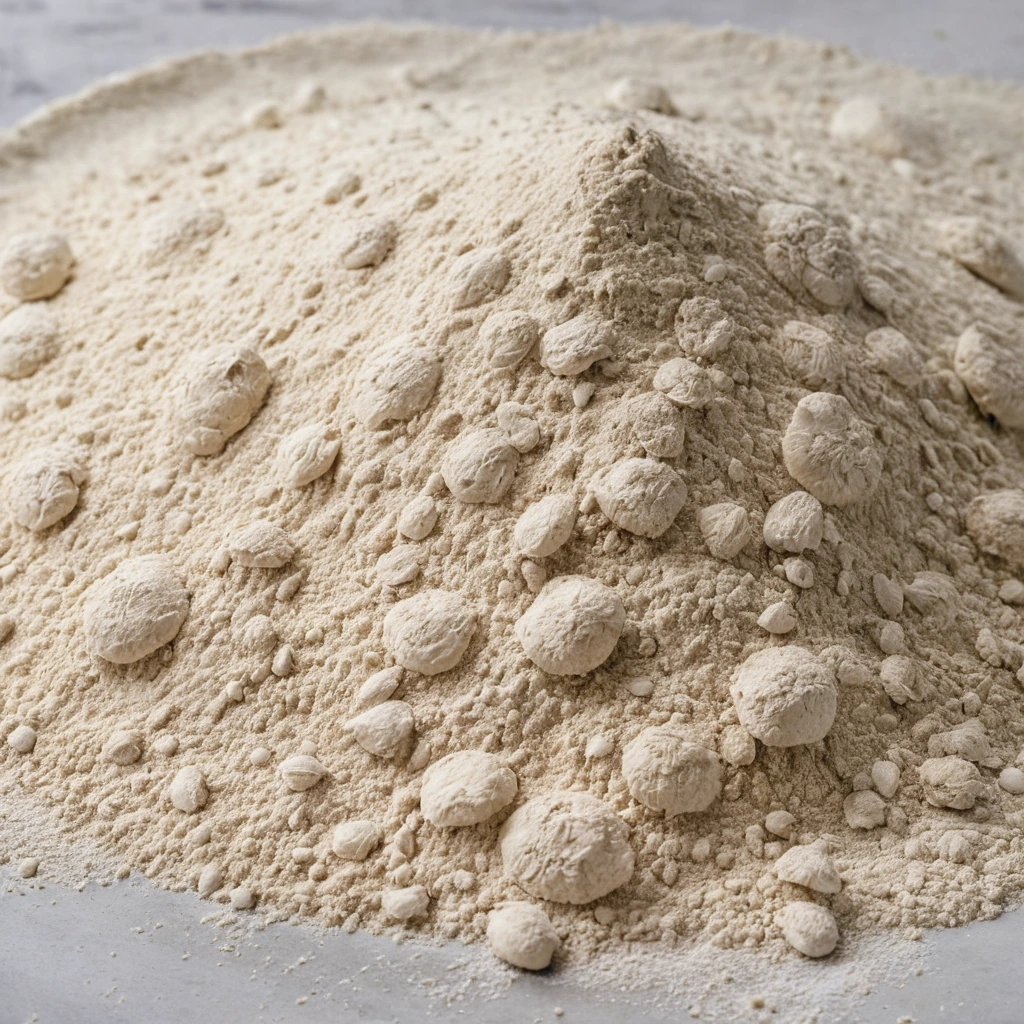
00 Pizza Flour
00 pizza flour is a finely milled Italian flour prized for its versatility in creating authentic Neapolitan-style pizza crusts. Originating from Italy, it is milled to a very fine consistency, which is reflected in its name, 'doppio zero,' indicating its fine grind. This flour has a balanced flavor profile, offering a mild, slightly sweet taste with a subtle nuttiness. Its texture is silky and smooth, contributing to a tender yet chewy crust when used in pizza making. In cooking, 00 pizza flour is known for its ability to hydrate quickly and develop a desirable gluten structure, resulting in a light and airy crust that can withstand high-heat cooking without becoming overly crispy or hard.
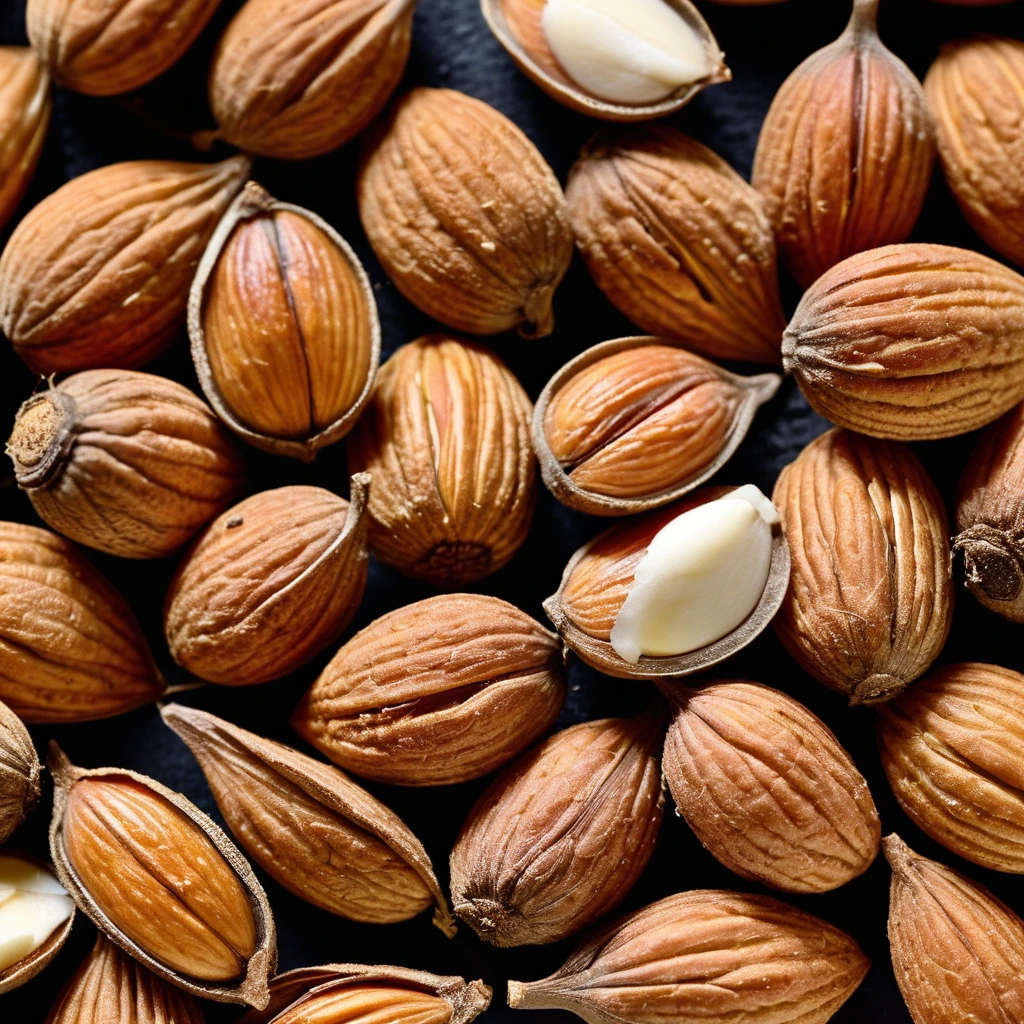
Almond Extract
A fragrant, golden elixir that captures the essence of freshly ground almonds, almond extract is a pantry staple that brings a rich, nutty aroma to your culinary creations.
Recipes to try
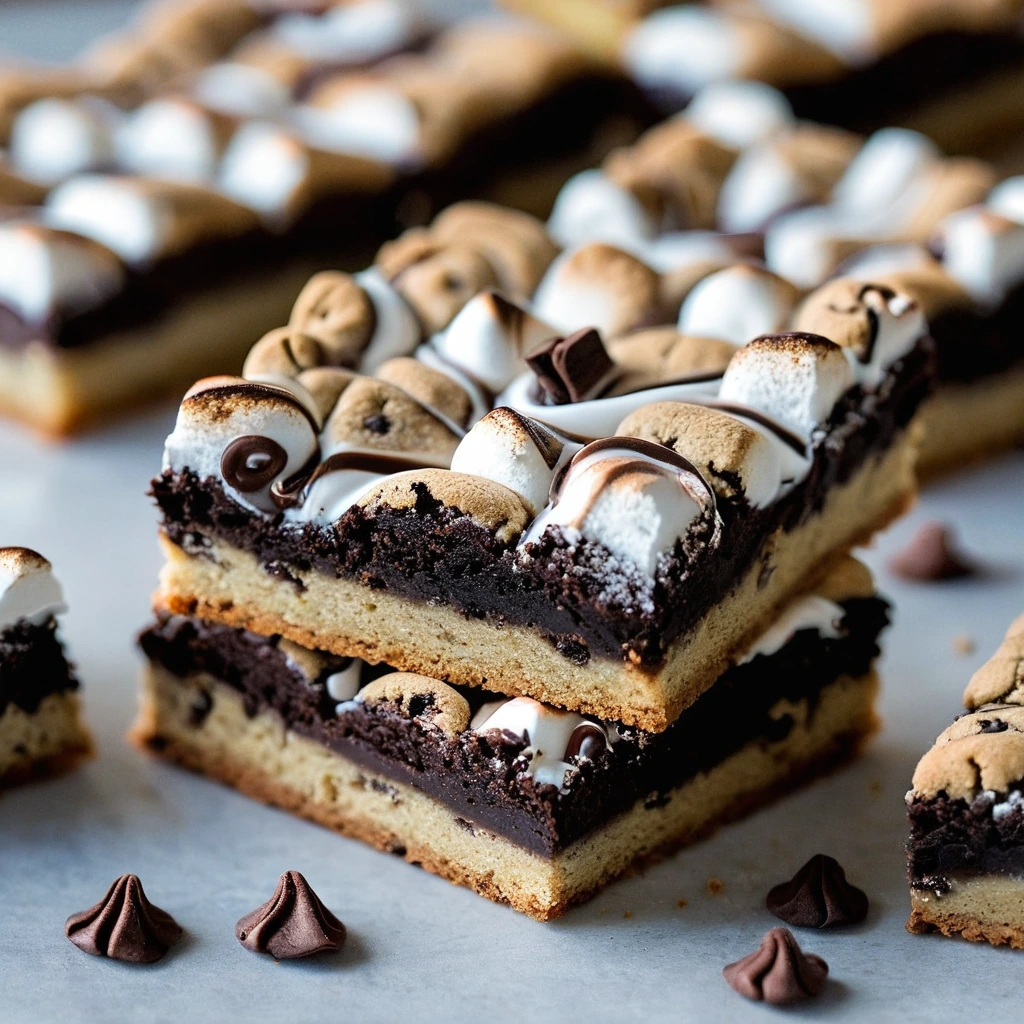
S’mores Cookie Bars with Marshmallow Swirl
Chocolatey, gooey, and utterly irresistible – these S’mores Cookie Bars are a campfire classic reimagined into a decadent dessert.
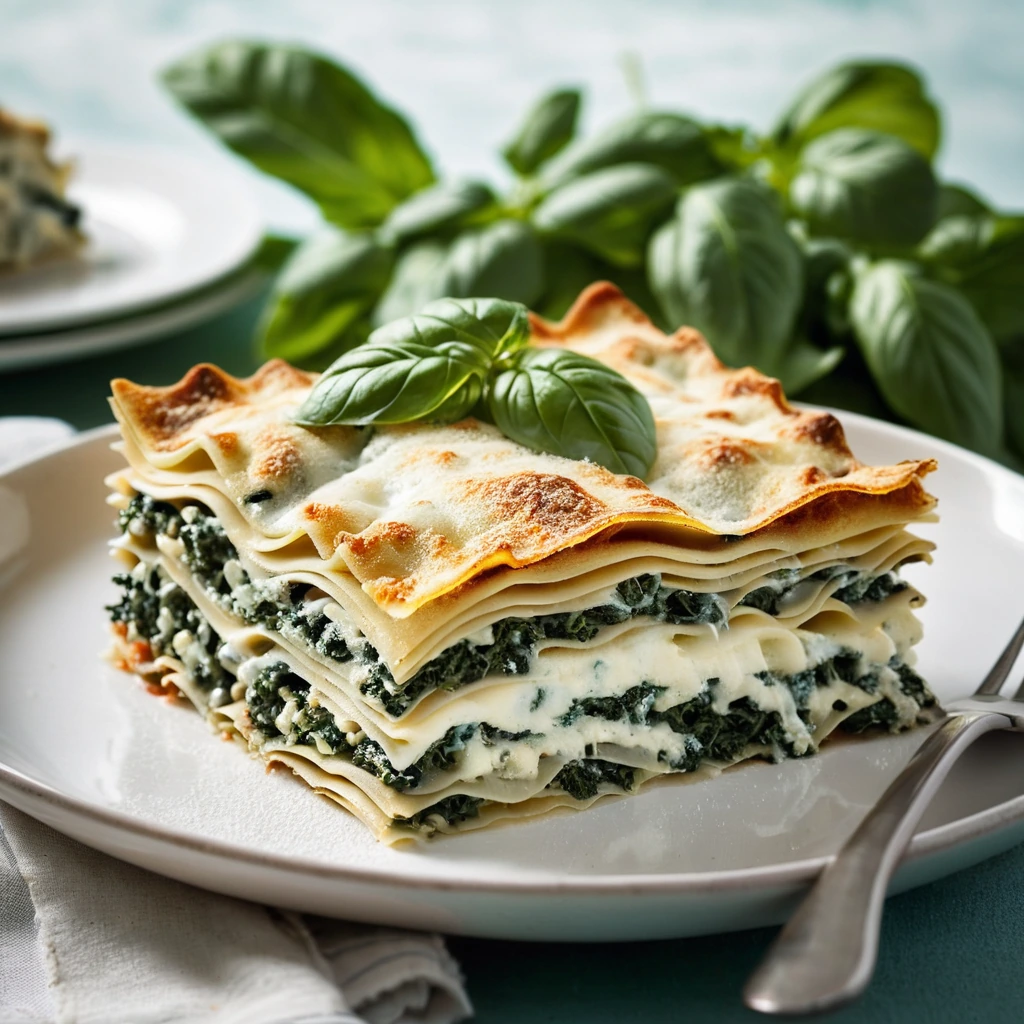
Vegetable Lasagna with Spinach and Ricotta
Layers of tender pasta, creamy ricotta, and a vibrant mix of spinach and veggies come together in a comforting, cheesy casserole.