Moist Heat: Double-Boiler Technique for Delicate Heating
The double-boiler technique is a gentle and reliable method for heating ingredients that are sensitive to direct heat or prone to scorching. This method involves placing a heatproof bowl over a pot of simmering water, creating a controlled environment for delicate tasks like melting chocolate, making custards, or preparing delicate sauces. The steam from the simmering water provides consistent, indirect heat that prevents ingredients from overheating. Understanding the nuances of this technique ensures that your culinary creations are smooth, silky, and perfectly tempered. Whether you're a novice or a seasoned cook, mastering the double boiler can elevate your cooking to new heights. It's a technique that balances precision with simplicity, allowing you to work with temperamental ingredients without fear. In this guide, we'll explore the setup, execution, and tips for success with the double boiler, ensuring that you can confidently tackle any recipe that requires delicate heating.
Notes
The double-boiler technique works by creating a buffer between direct heat and your ingredients, preventing them from seizing or scorching. The indirect heat allows for gradual and even warming, ideal for items like chocolate, which can easily burn. A common mistake is allowing water to touch the bottom of the bowl, which can cause a mess or ruin your ingredients. Always ensure the bowl is stable and doesn't wobble. If you're working with chocolate, avoid introducing any moisture, as this can cause it to seize. For storage, let your mixture cool completely before covering and refrigerating if necessary. If you're making something like a custard, use it immediately for the best texture. Safety-wise, be cautious of steam and hot water when handling the setup.
Steps
- 1 Fill a medium saucepan with 2 inches of water.
- 2 Place the saucepan over medium heat and bring the water to a gentle simmer.
- 3 Select a heatproof bowl that fits snugly over the saucepan without touching the water.
- 4 Add your delicate ingredient to the bowl—think chocolate, butter, or eggs.
- 5 Stir the ingredients gently and continuously with a spatula or whisk.
- 6 Maintain a consistent, gentle simmer below the bowl.
- 7 Monitor the temperature of your ingredients with a thermometer if precision is required.
- 8 Remove the bowl from the saucepan once the ingredients reach the desired consistency or temperature.
- 9 Transfer the heated mixture to another container for cooling or further use.
- 10 Wipe the bottom of the bowl dry to prevent condensation from affecting your final product.
- 11 Turn off the heat and carefully remove the saucepan from the stove.
- 12 Clean both the saucepan and bowl promptly to avoid any residue buildup.
Ingredients to explore
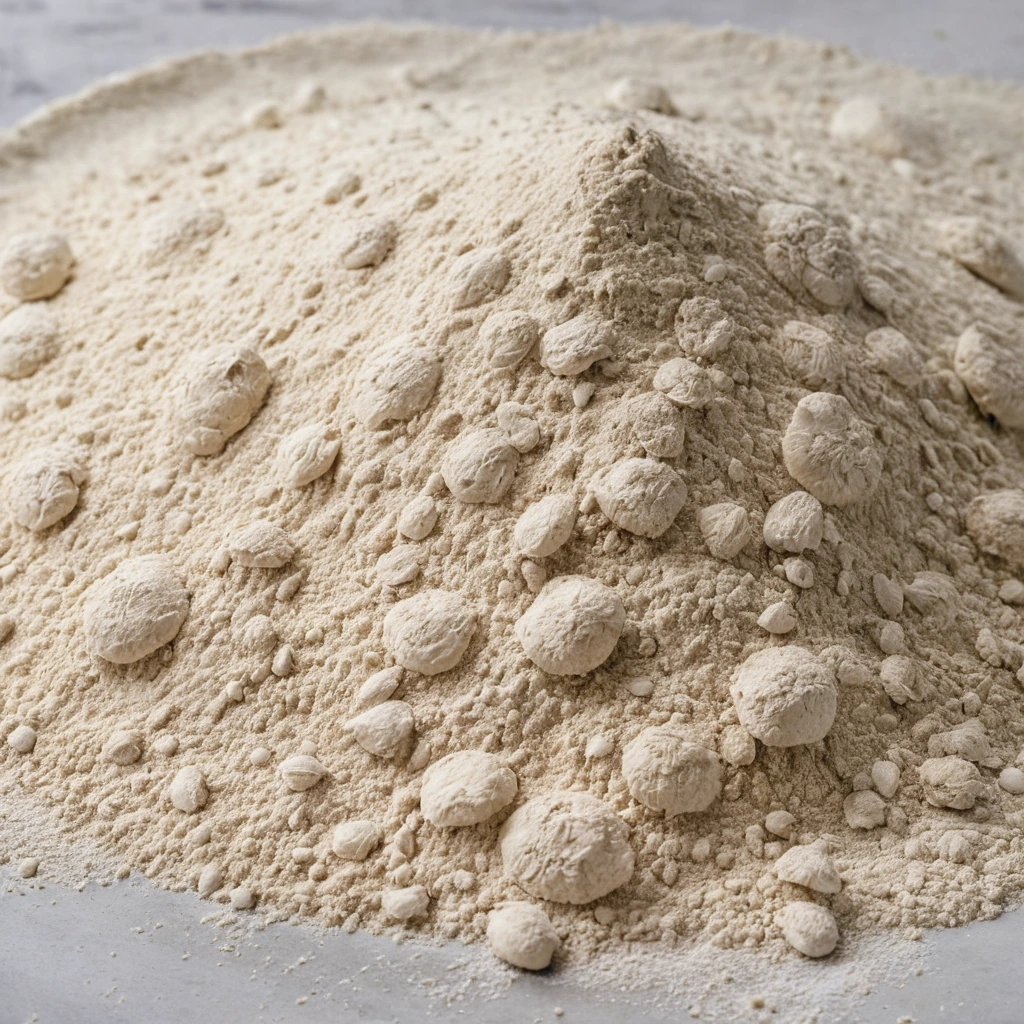
00 Pizza Flour
00 pizza flour is a finely milled Italian flour prized for its versatility in creating authentic Neapolitan-style pizza crusts. Originating from Italy, it is milled to a very fine consistency, which is reflected in its name, 'doppio zero,' indicating its fine grind. This flour has a balanced flavor profile, offering a mild, slightly sweet taste with a subtle nuttiness. Its texture is silky and smooth, contributing to a tender yet chewy crust when used in pizza making. In cooking, 00 pizza flour is known for its ability to hydrate quickly and develop a desirable gluten structure, resulting in a light and airy crust that can withstand high-heat cooking without becoming overly crispy or hard.
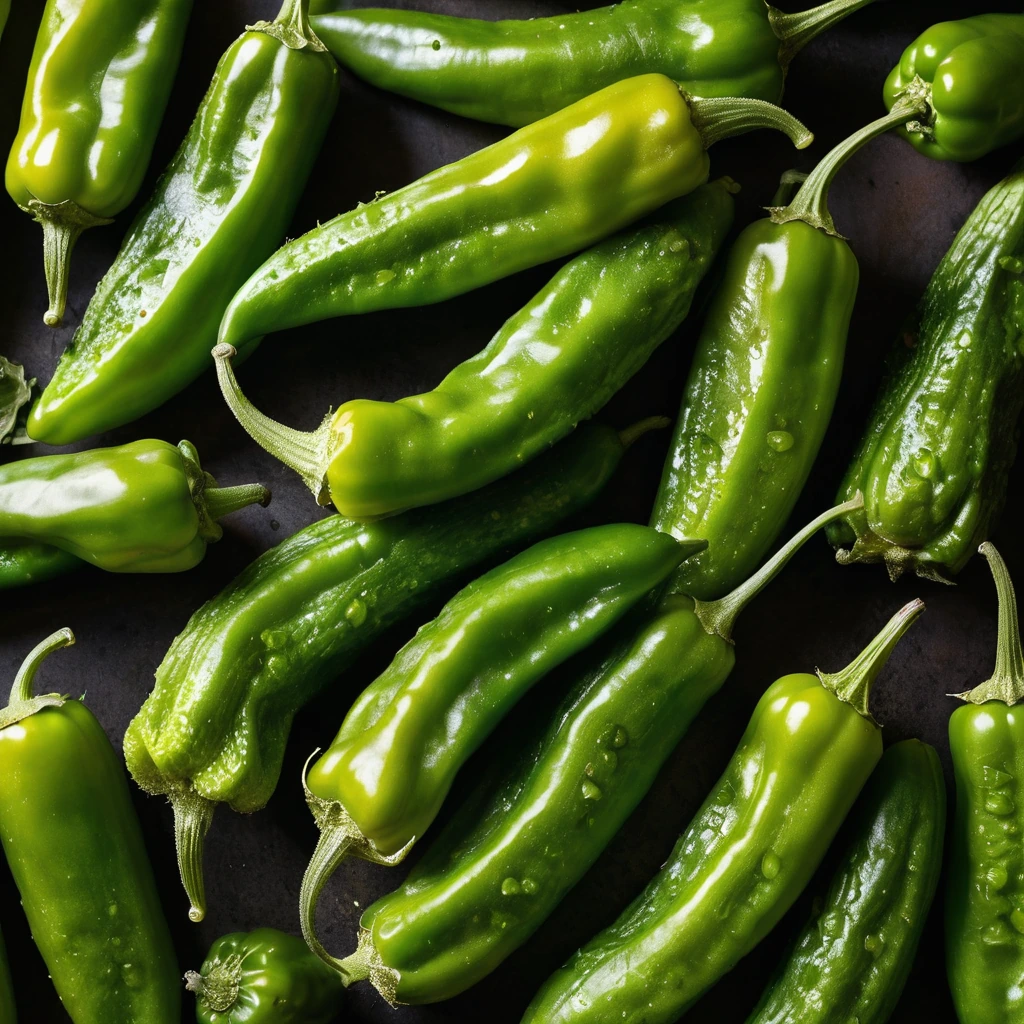
Anaheim Peppers
Anaheim peppers are a mild chili pepper variety named after Anaheim, California, where they were first cultivated commercially. Originating from the New Mexico region, these peppers are celebrated for their versatility and gentle heat. They possess a flavor that is mildly sweet with a subtle tang, and a pleasant vegetal note reminiscent of green bell peppers, but with a hint of spice. Their texture is firm and crisp when fresh, becoming tender and slightly smoky when roasted or cooked. In cooking, Anaheim peppers behave well across a range of techniques, from grilling and roasting to stuffing and sautéing, contributing a nuanced depth without overwhelming other ingredients with heat.
Recipes to try
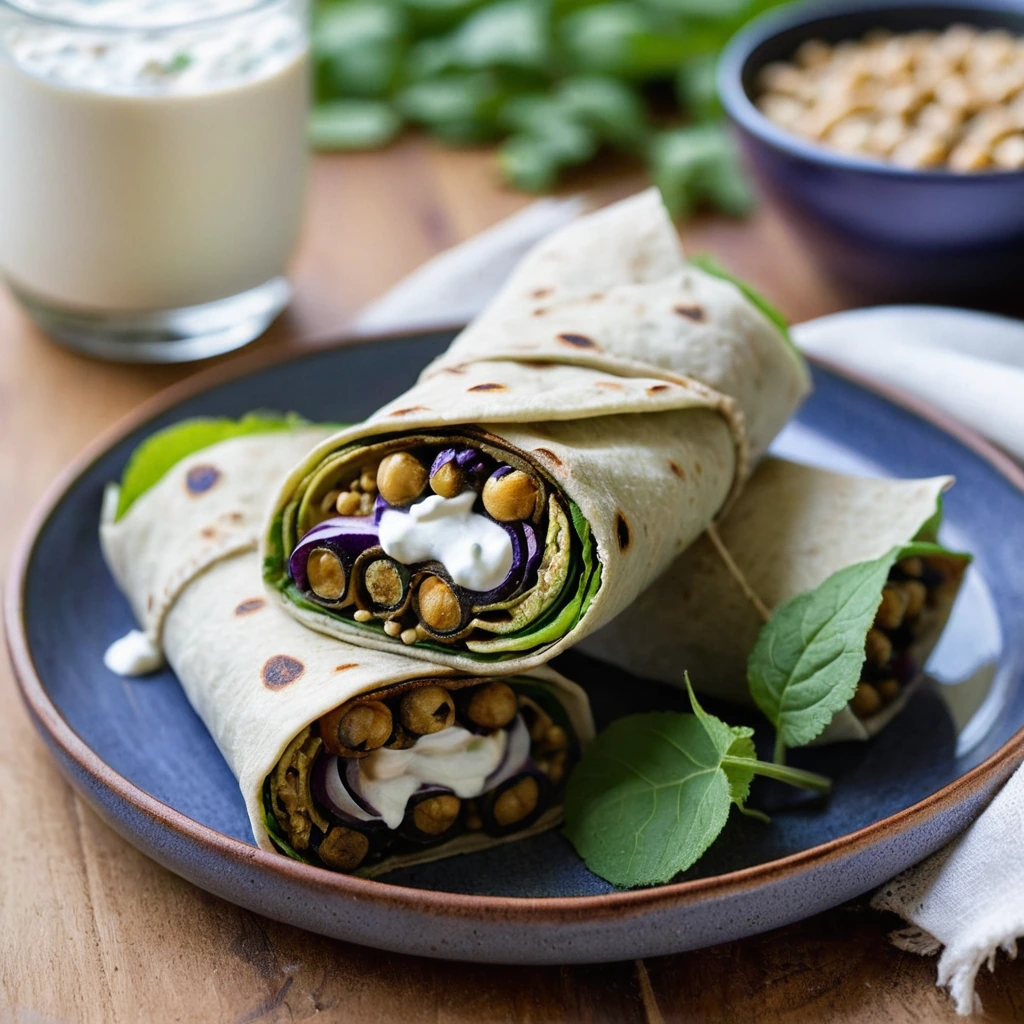
Roasted Eggplant and Chickpea Wraps with Yogurt
Creamy yogurt swirls with smoky roasted eggplant and hearty chickpeas, all wrapped in a warm tortilla for a veggie-packed meal.
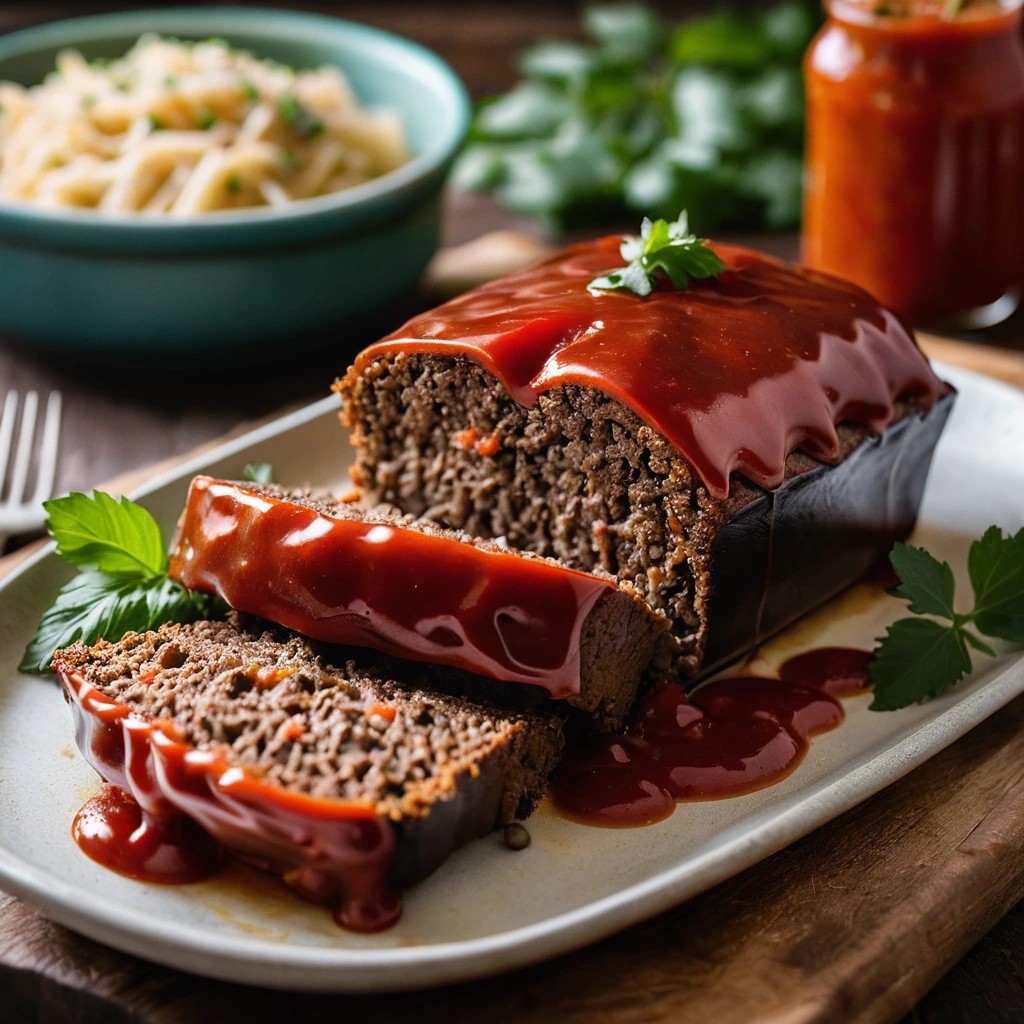
Pepper Jack Stuffed Meatloaf with Salsa Glaze
A savory meatloaf stuffed with gooey pepper jack cheese and topped with a tangy, zesty salsa glaze that'll have your taste buds doing a happy dance.