Meat: Using Dry Rubs vs Marinades
When it comes to flavoring meat, two techniques stand out: dry rubs and marinades. Both methods aim to enhance taste and texture, but they do so in very different ways. A dry rub is a mixture of spices and herbs that clings to the surface of the meat, creating a flavorful crust during cooking. It's ideal for cuts with a good surface area, like ribs or chicken. Marinades, on the other hand, are liquid concoctions that can include oil, acid, and seasonings. They penetrate the meat, infusing it with flavor and often tenderizing it as well. Understanding when to use each technique can elevate your cooking to new heights. Dry rubs are straightforward; they season the exterior without altering the meat's structure. Marinades, however, work through osmosis and can break down proteins, making them perfect for tougher cuts. The acids in a marinade, like vinegar or citrus juice, can denature proteins, leading to a more tender result, but caution is needed as too much acid can have the opposite effect. Dry rubs excel in grilling and roasting scenarios, where high heat caramelizes the spices into a delicious bark. Meanwhile, marinades shine in dishes that require both flavor infusion and moisture retention, like braising or slow-cooking. Choosing between a dry rub and a marinade depends on your desired outcome and the type of meat you're working with. Both techniques offer unique advantages and can transform an ordinary meal into a culinary masterpiece with a little know-how and patience.
Notes
Dry rubs work by forming a flavorful crust due to the Maillard reaction during cooking, while marinades use acids and enzymes to tenderize and infuse flavor into the meat. A common mistake with marinades is over-marinating, which can lead to a mushy texture, especially with delicate meats like fish or chicken breasts. Always marinate in the refrigerator to prevent bacterial growth. Dry rubs can be prepared ahead and stored in an airtight container for future use, while marinades should be made fresh for optimal flavor. Leftover marinated meat should be cooked promptly or stored safely in the refrigerator for up to two days.
Steps
- 1 For a dry rub, combine salt, pepper, paprika, garlic powder, and any desired spices in a bowl.
- 2 Pat the meat dry with paper towels to ensure the rub adheres well.
- 3 Coat the meat evenly with the rub, pressing it into all surfaces.
- 4 Let the meat rest at room temperature for 30 minutes to an hour to allow flavors to meld.
- 5 For a marinade, whisk together oil, acid (like lemon juice or vinegar), garlic, herbs, and seasonings in a bowl.
- 6 Place the meat in a resealable bag or container and pour the marinade over it.
- 7 Ensure the meat is fully coated, then refrigerate for at least 30 minutes, or up to 24 hours for tougher cuts.
- 8 Remove the meat from the marinade and discard any excess before cooking.
- 9 Preheat your grill, oven, or pan to the appropriate temperature for your chosen cooking method.
- 10 Cook the meat to your desired doneness, using a meat thermometer for accuracy.
- 11 Rest the meat for 5-10 minutes before serving to allow juices to redistribute.
- 12 Serve and enjoy the enhanced flavor profile brought out by your chosen technique.
Ingredients to explore
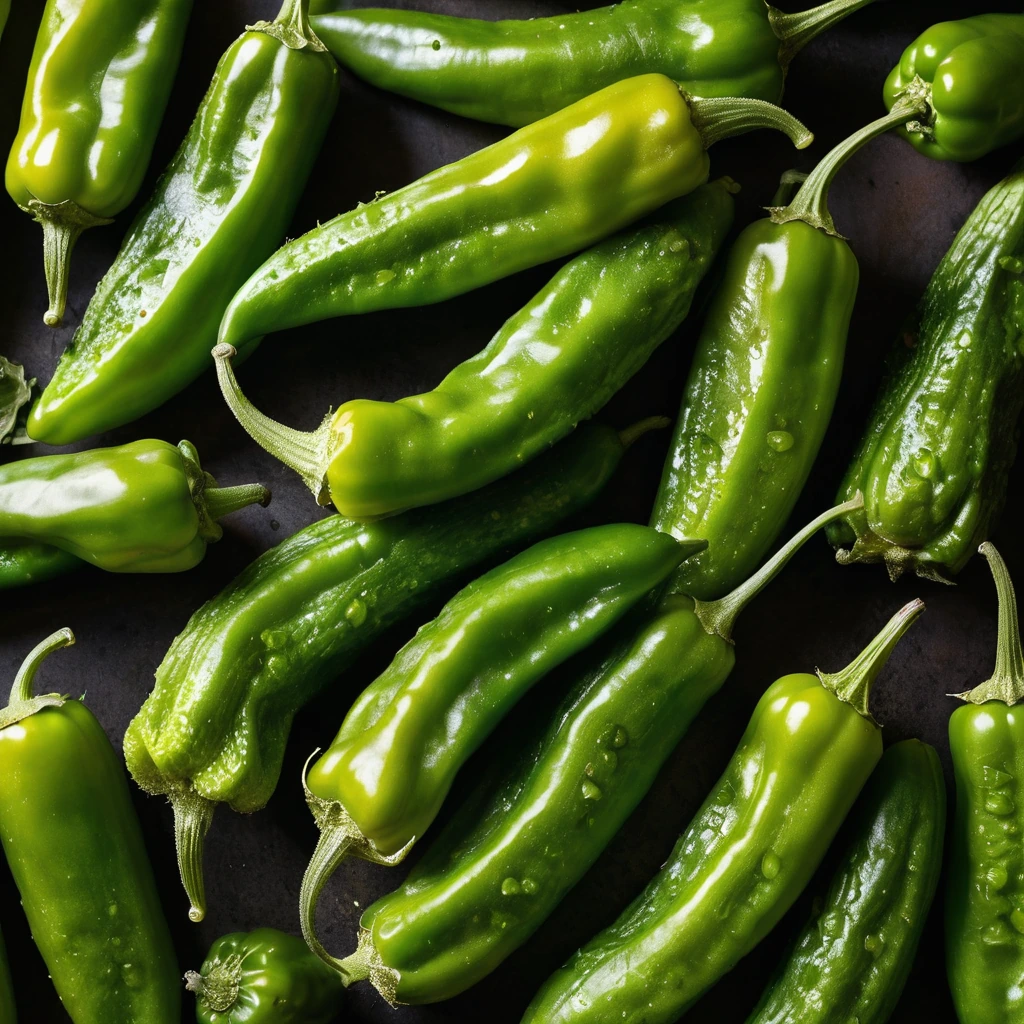
Anaheim Peppers
Anaheim peppers are a mild chili pepper variety named after Anaheim, California, where they were first cultivated commercially. Originating from the New Mexico region, these peppers are celebrated for their versatility and gentle heat. They possess a flavor that is mildly sweet with a subtle tang, and a pleasant vegetal note reminiscent of green bell peppers, but with a hint of spice. Their texture is firm and crisp when fresh, becoming tender and slightly smoky when roasted or cooked. In cooking, Anaheim peppers behave well across a range of techniques, from grilling and roasting to stuffing and sautéing, contributing a nuanced depth without overwhelming other ingredients with heat.
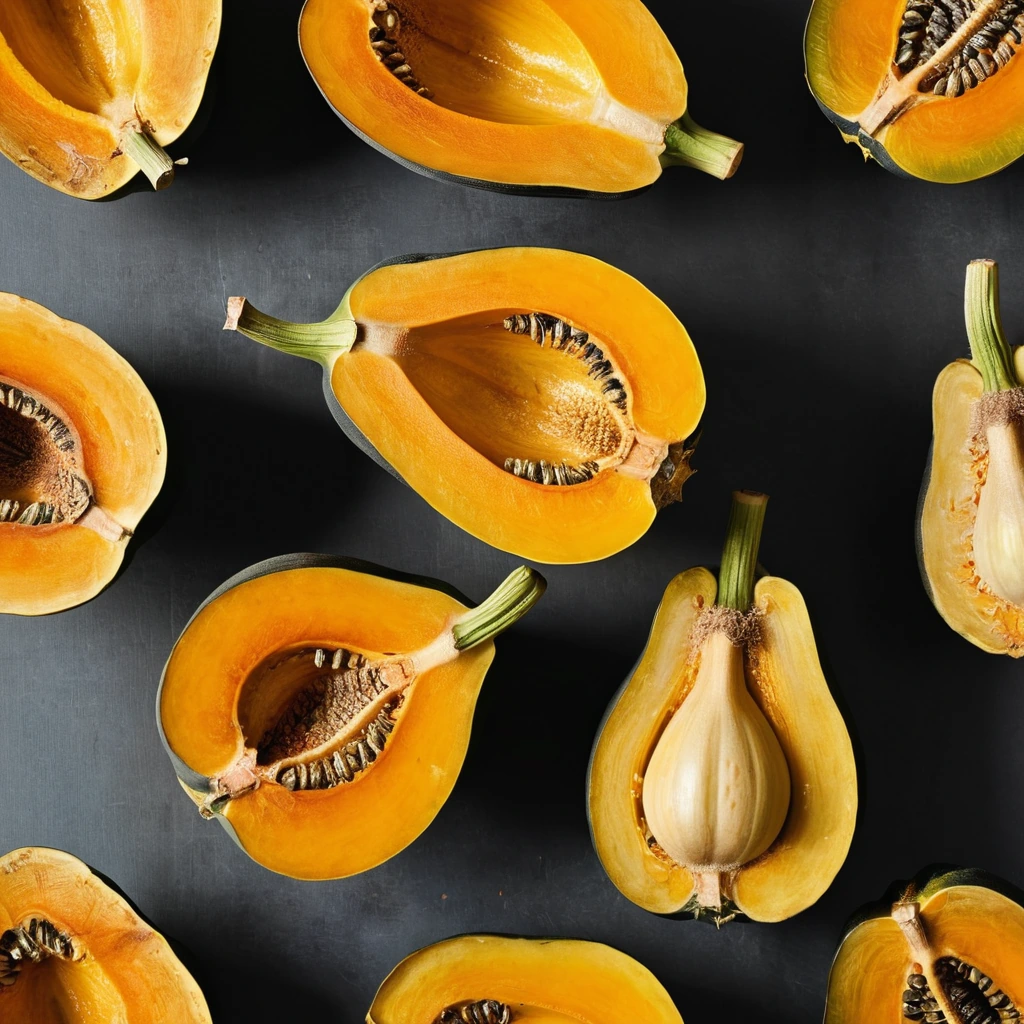
Acorn Squash
Acorn squash is a winter squash variety known for its distinctive teardrop shape and deep ridges resembling the texture of an acorn shell. Originating in the Americas, it has been cultivated for centuries and is a staple in autumn cuisine. The flesh is sweet and nutty with a hint of earthiness, offering a delightful contrast to savory dishes. Its texture is dense yet tender when cooked, making it ideal for roasting or pureeing. In cooking, acorn squash holds its shape well and absorbs flavors from herbs and spices, enhancing both its taste and versatility in recipes.
Recipes to try
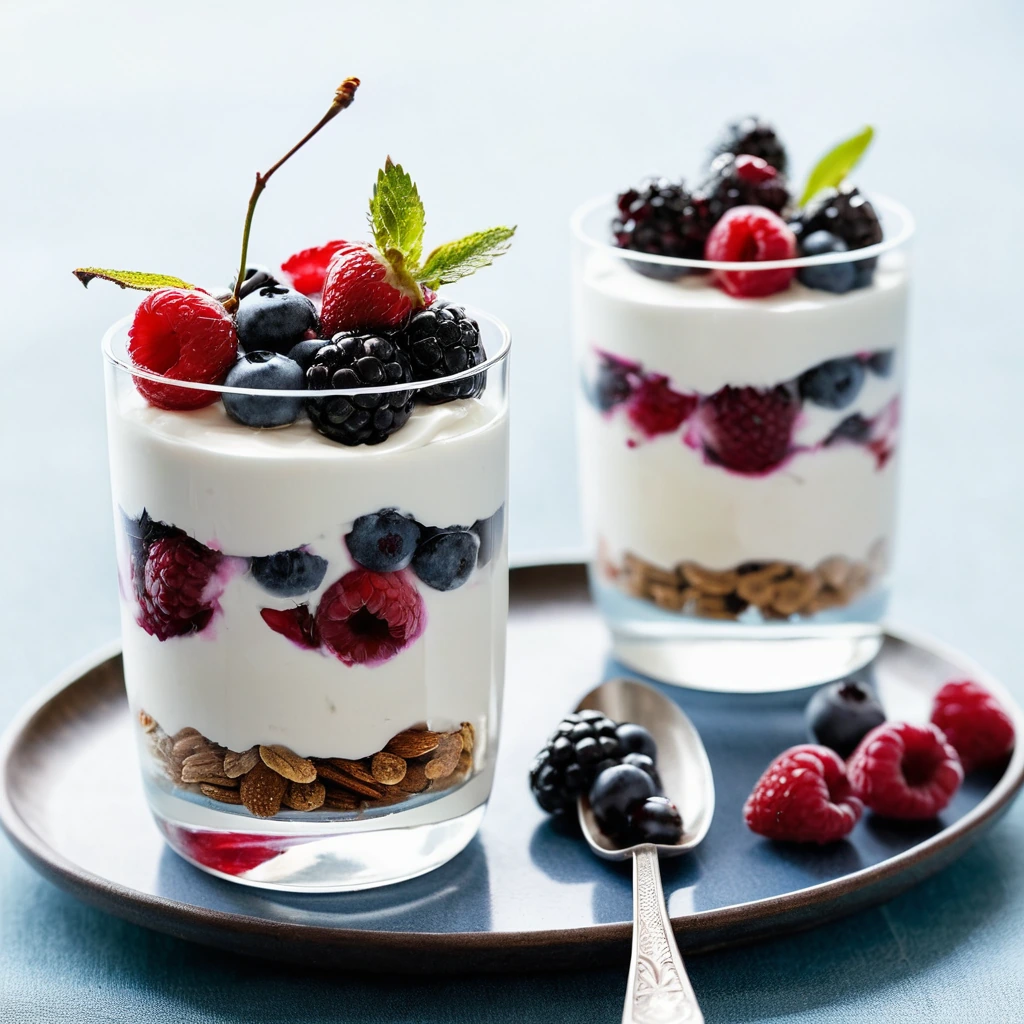
Vanilla Yogurt Parfaits with Roasted Berries
Creamy vanilla yogurt layers kissed by sweet, smoky roasted berries create a parfait that's both comforting and refreshing.
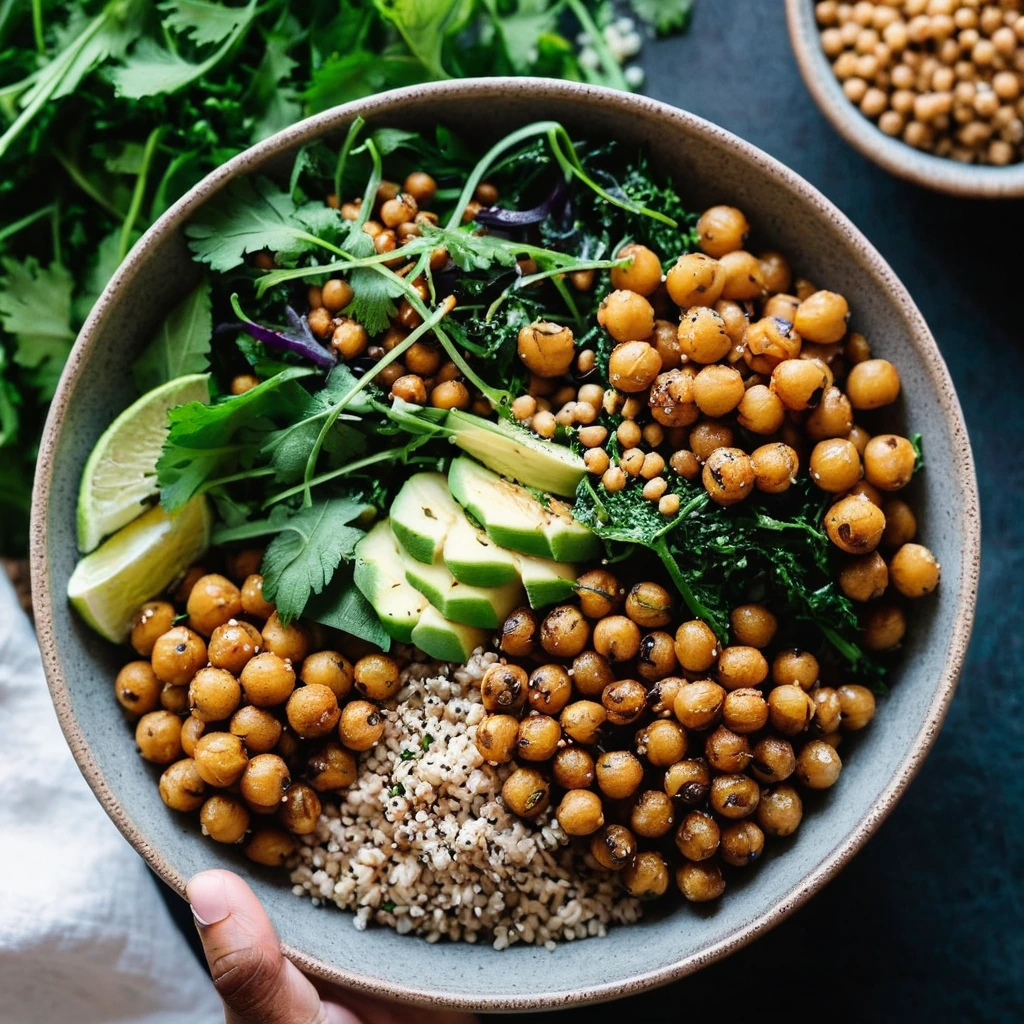
Spicy Sesame Roasted Chickpea Grain Bowls
Crispy, spicy chickpeas meet fluffy grains in a vibrant bowl that'll have your taste buds cheering for more.