Meat & Poultry: Cutting Stir-Fry Strips to Match Veggie Cook Times
Achieving a harmonious stir-fry where everything is perfectly cooked is an art. The key lies in cutting meat and poultry into uniform strips that cook at the same pace as your vegetables. This technique ensures that every component of your stir-fry is ready to eat at the same time, avoiding undercooked or overcooked elements. By understanding the right thickness and orientation of the cut, you can control how quickly proteins cook, aligning them with the cook times of your chosen veggies. We'll delve into why this method works, how to choose the right cut of meat, and how to slice it properly to ensure even cooking. Additionally, we'll explore the science behind the process, offering troubleshooting tips and advice on how to store your prepped ingredients for future use.
Notes
Cutting meat against the grain shortens the muscle fibers, resulting in a more tender texture. It's crucial to maintain consistent thickness in your strips to ensure even cooking. Common mistakes include slicing with the grain or cutting strips too thick, leading to uneven doneness. For safety, always ensure meat reaches an internal temperature of 165°F for poultry and 145°F for beef, pork, or lamb. Prep your meat and veggies ahead of time, storing them separately in airtight containers in the refrigerator for up to 24 hours to streamline the cooking process.
Steps
- 1 Select a tender cut of meat or poultry suitable for quick cooking.
- 2 Trim any excess fat or silver skin from the meat.
- 3 Slice the meat across the grain into uniform strips, about 1/4 inch thick.
- 4 For chicken, slice boneless thighs or breasts into similar 1/4 inch strips.
- 5 Ensure all strips are roughly the same size for even cooking.
- 6 Prepare your vegetables by cutting them into sizes that match the meat's cook time.
- 7 Heat your wok or skillet to high heat, around 450°F to 500°F, before adding oil.
- 8 Add a high smoke-point oil, such as peanut or vegetable oil, to the pan.
- 9 Stir-fry the meat strips in batches to avoid overcrowding, about 2-3 minutes per batch.
- 10 Remove the cooked meat and set aside, then stir-fry the vegetables based on their cook times.
- 11 Reintroduce the meat to the wok with the vegetables for a final toss together.
- 12 Season with your chosen sauce and cook for an additional 1-2 minutes.
- 13 Serve immediately for optimal texture and flavor.
Ingredients to explore
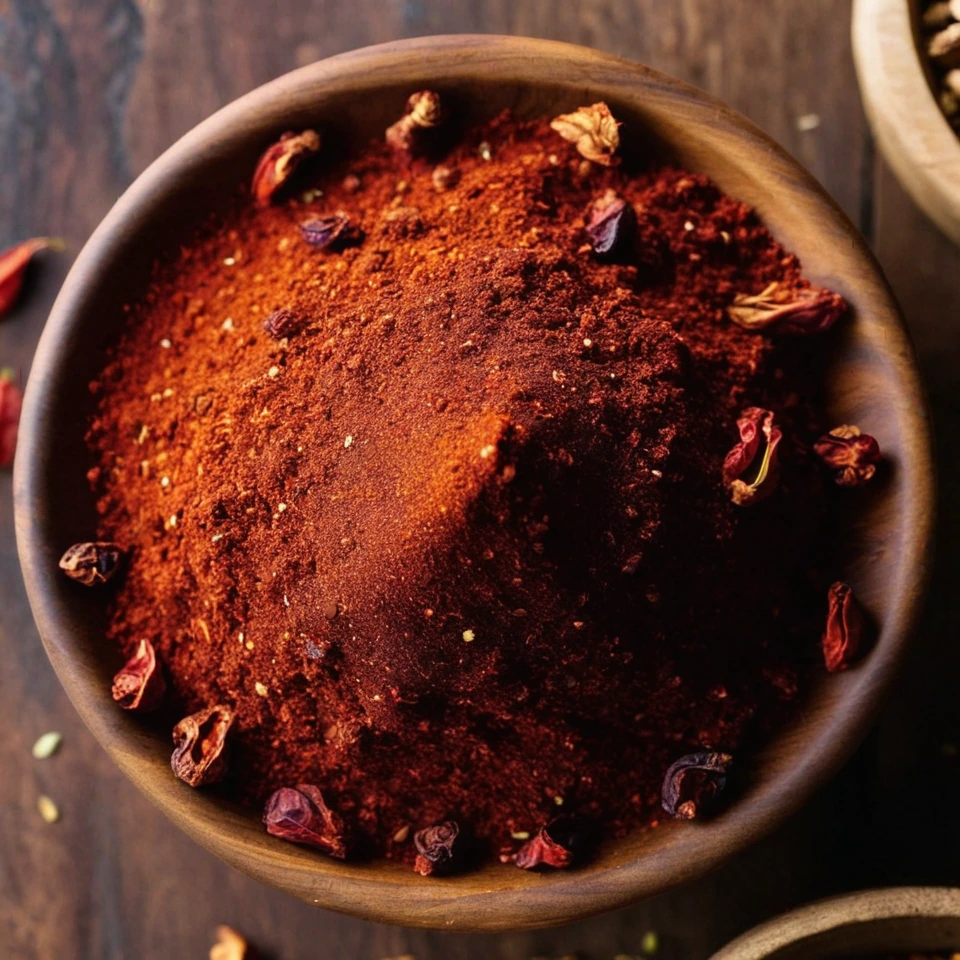
Aleppo Pepper
Aleppo pepper offers a harmonious balance of heat and sweetness, with a subtle fruity aroma reminiscent of sun-dried tomatoes and currants. Originating from the region around Aleppo, Syria, it has a fine, slightly coarse texture that shatters easily between fingers. Its mild yet complex flavor profile makes it a prized seasoning for enhancing dishes without overwhelming them. Valued for its versatility, it bridges the gap between spice and seasoning, bringing a touch of warmth and depth to a variety of cuisines.
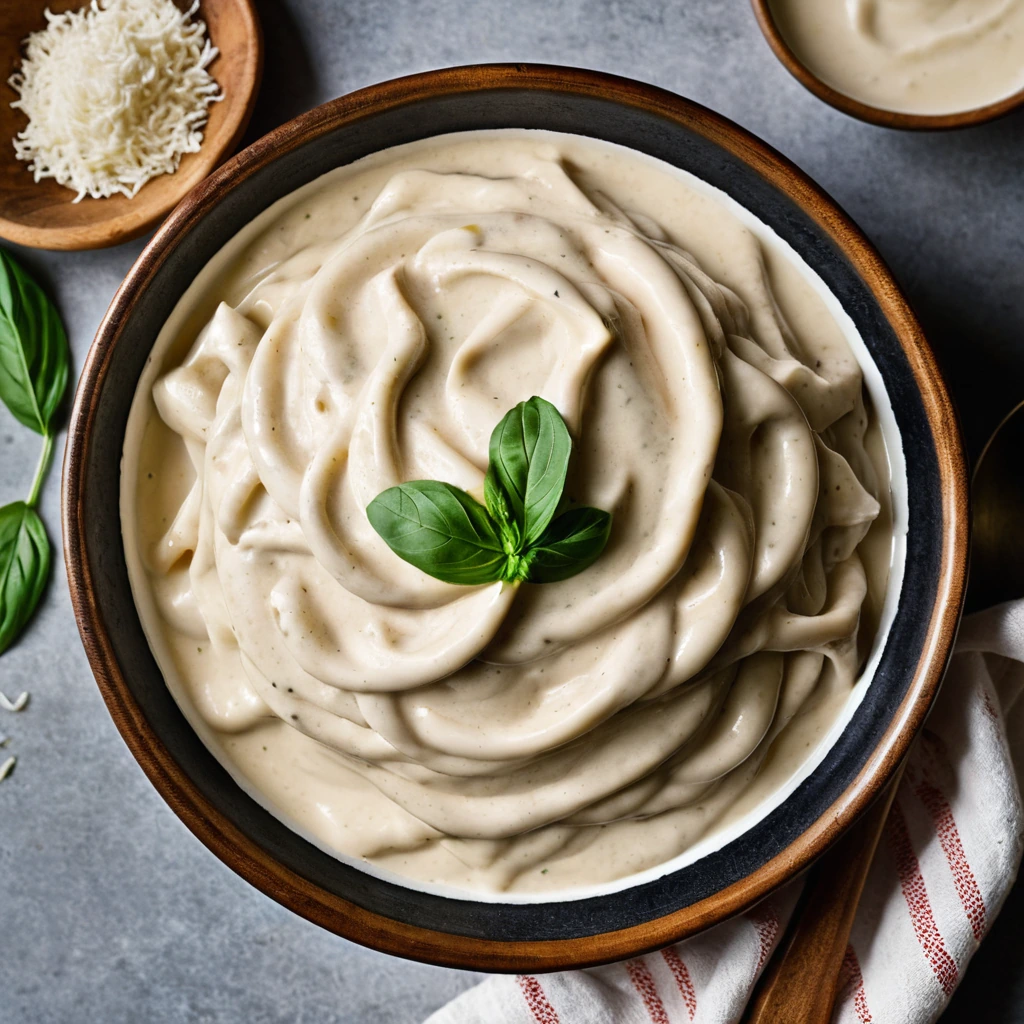
Alfredo Sauce
Creamy, rich, and utterly indulgent, Alfredo sauce is a dreamy blend of butter, heavy cream, and Parmesan cheese. Its velvety texture and savory depth make it a beloved staple in Italian-American cuisine.
Recipes to try
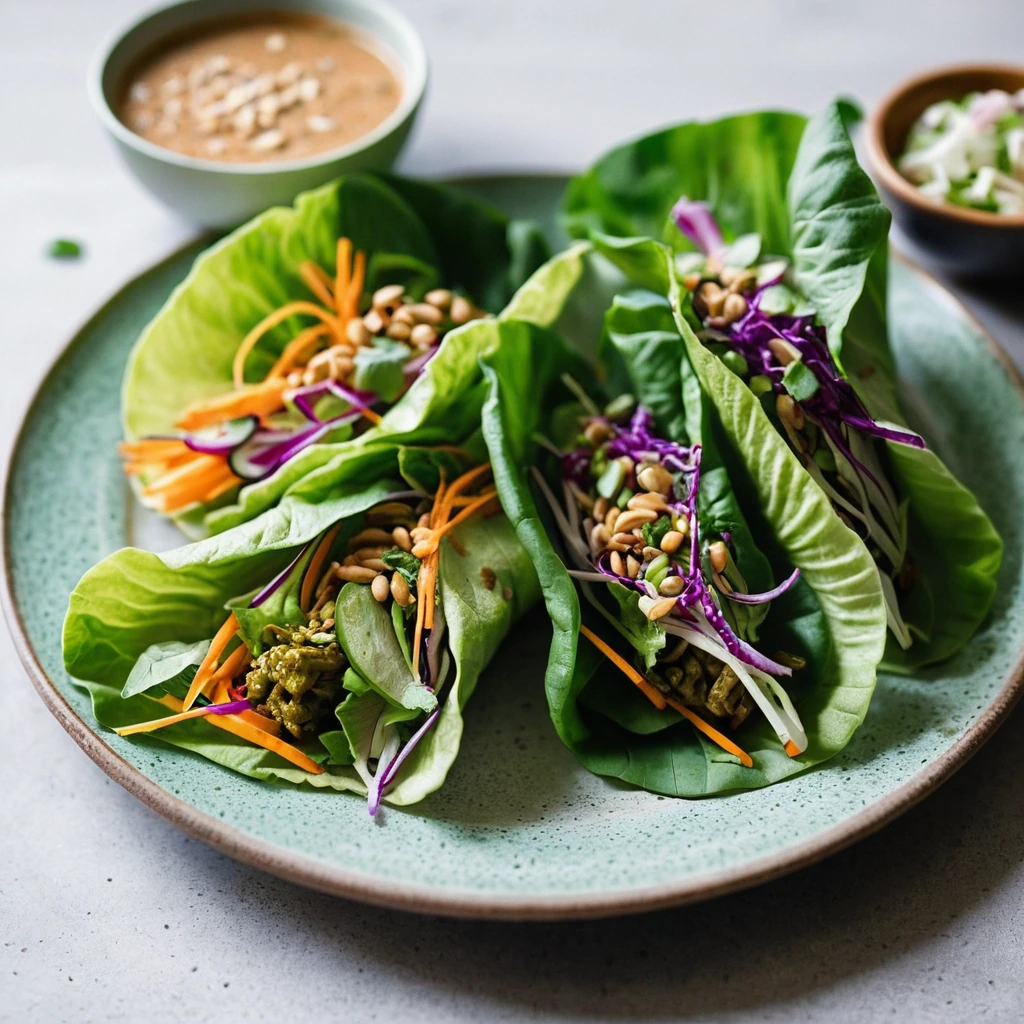
Thai Peanut Veggie Lettuce Wraps
Crispy, fresh veggies hugged by buttery lettuce leaves, drizzled with a creamy, tangy peanut sauce that'll make your taste buds do the tango.
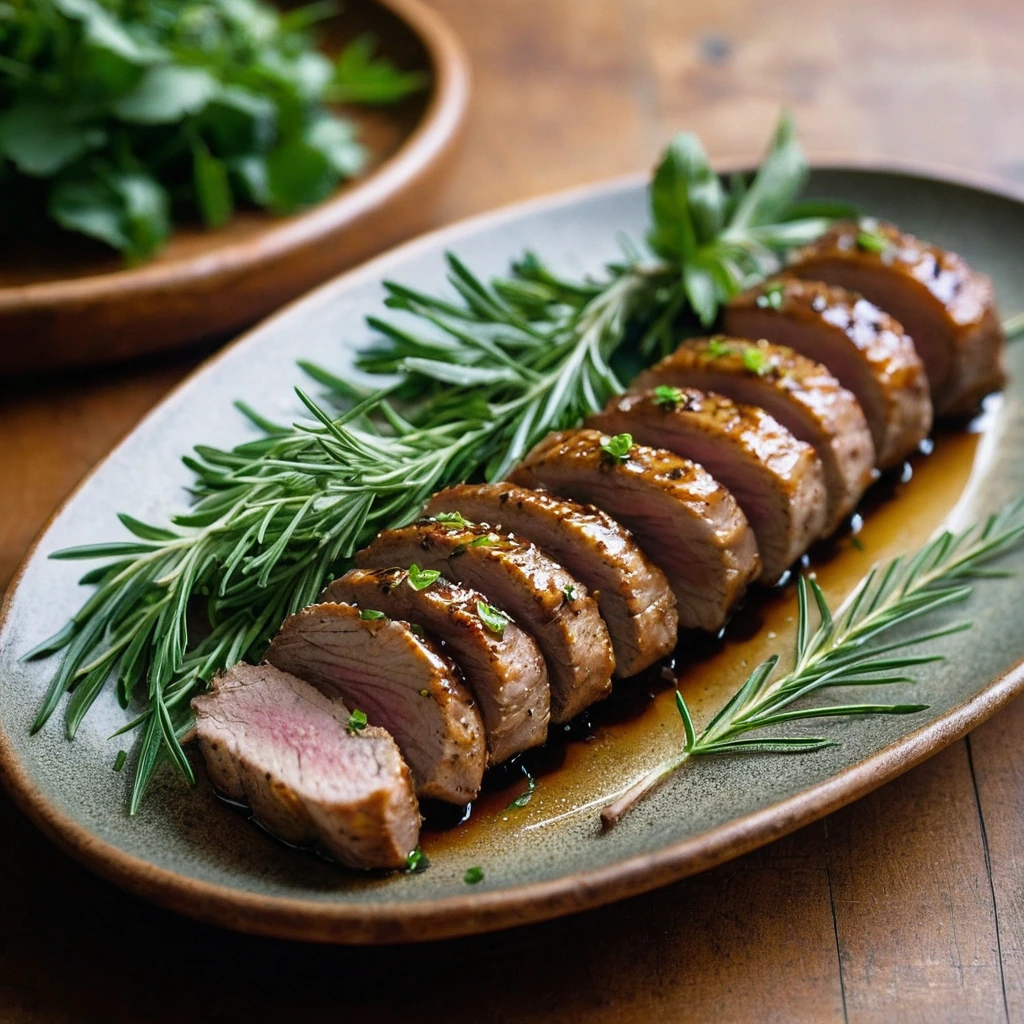
Pork Tenderloin with Garlic Honey Glaze
Succulent pork tenderloin kissed with a sweet, sticky glaze of garlic and honey for a flavor punch that'll have everyone coming back for seconds.