Meal Prep: Cooling Foods Quickly for the Fridge
When meal prepping, cooling foods quickly is crucial to prevent bacterial growth and ensure your dishes stay fresh and safe to eat. This technique is essential for home cooks looking to maximize efficiency and maintain food safety standards. The process involves rapidly lowering the temperature of your prepared meals to below 40°F within two hours, which is the FDA's recommended timeframe. This method not only preserves the quality of your food but also extends its shelf life in the fridge. Understanding how to properly cool foods quickly can save you from potential foodborne illnesses and the disappointment of ruined leftovers. Whether you're preparing soups, stews, casseroles, or roasted vegetables, mastering this technique will ensure your meal prep efforts are successful and your food remains safe to consume throughout the week. We'll dive into the science of cooling, explore the tools you'll need, and provide practical tips for efficient cooling. Let's get into it so you can confidently prep your meals like a pro!
Notes
Rapid cooling works by increasing the surface area exposed to cooler temperatures, allowing heat to dissipate faster. An ice bath is an effective tool for quick cooling, but ensure food is not submerged to prevent water contamination. A common mistake is not stirring the food, which can lead to uneven cooling and potential bacterial growth in warmer spots. Always use a food thermometer to ensure safety, as visual cues can be misleading. Never leave perishable foods out at room temperature for more than 2 hours, or 1 hour if the temperature is above 90°F. For make-ahead meals, store properly cooled food in the refrigerator for up to 3-4 days, or freeze for longer storage. Proper cooling is crucial for maintaining texture and flavor.
Steps
- 1 Transfer hot food into shallow containers, no more than 2 inches deep.
- 2 Stir the food occasionally to release heat evenly.
- 3 Place containers in an ice bath, ensuring they are not submerged.
- 4 Use a food thermometer to check the temperature regularly.
- 5 Once food reaches 70°F, remove from ice bath and let it cool to 40°F or below.
- 6 Cover containers loosely with lids or plastic wrap to prevent contamination.
- 7 Refrigerate the food within 2 hours of cooking.
- 8 Avoid overloading your fridge to allow proper airflow and cooling.
Ingredients to explore
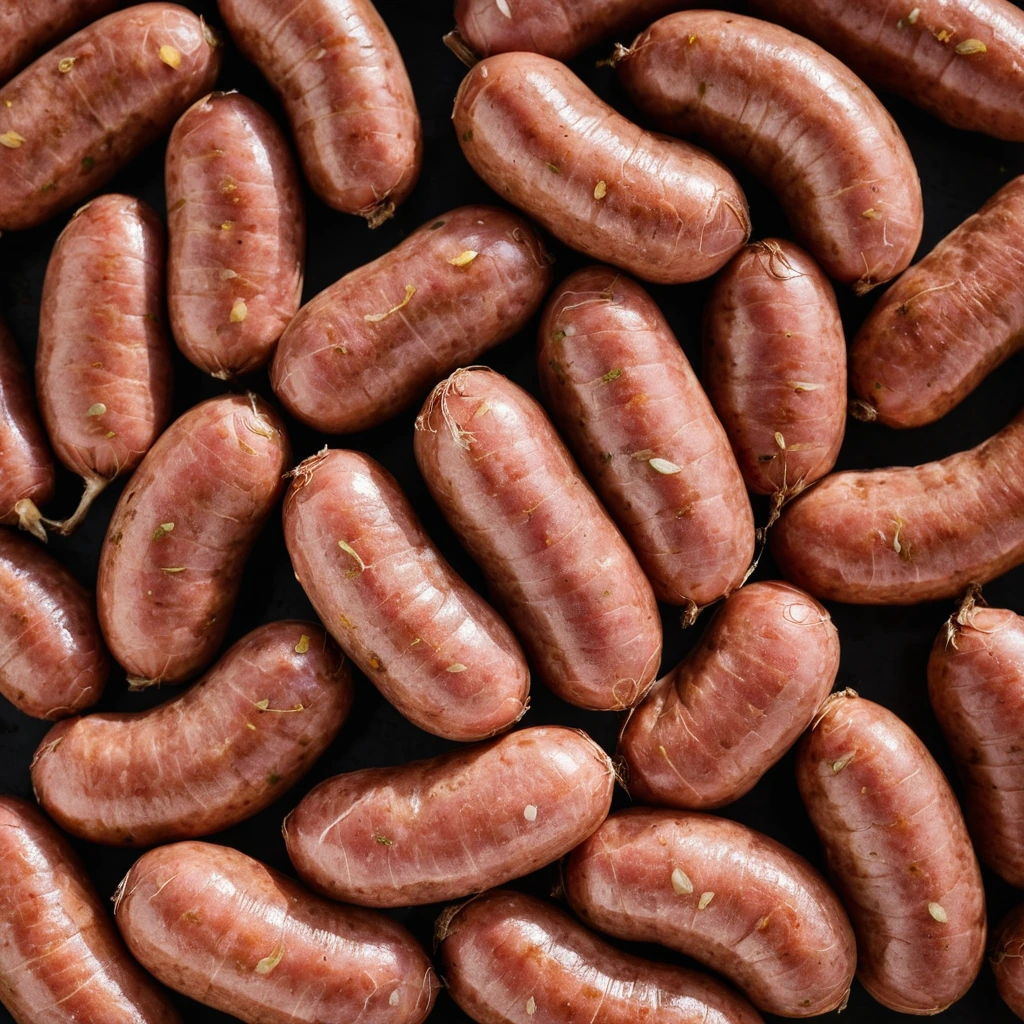
Andouille Sausage
Andouille sausage is a coarse-grained, smoked pork sausage with a rich history rooted in French cuisine, particularly from the Alsace region. It was adapted in Louisiana, where it became a staple in Cajun and Creole cooking. The sausage is known for its robust, smoky flavor with hints of garlic, pepper, and other spices, creating a spicy and savory profile. Its texture is firm yet slightly chewy, making it a hearty addition to dishes. When cooked, andouille sausage maintains its shape well and infuses dishes with its distinctive smoky essence, enhancing stews, soups, and rice dishes.
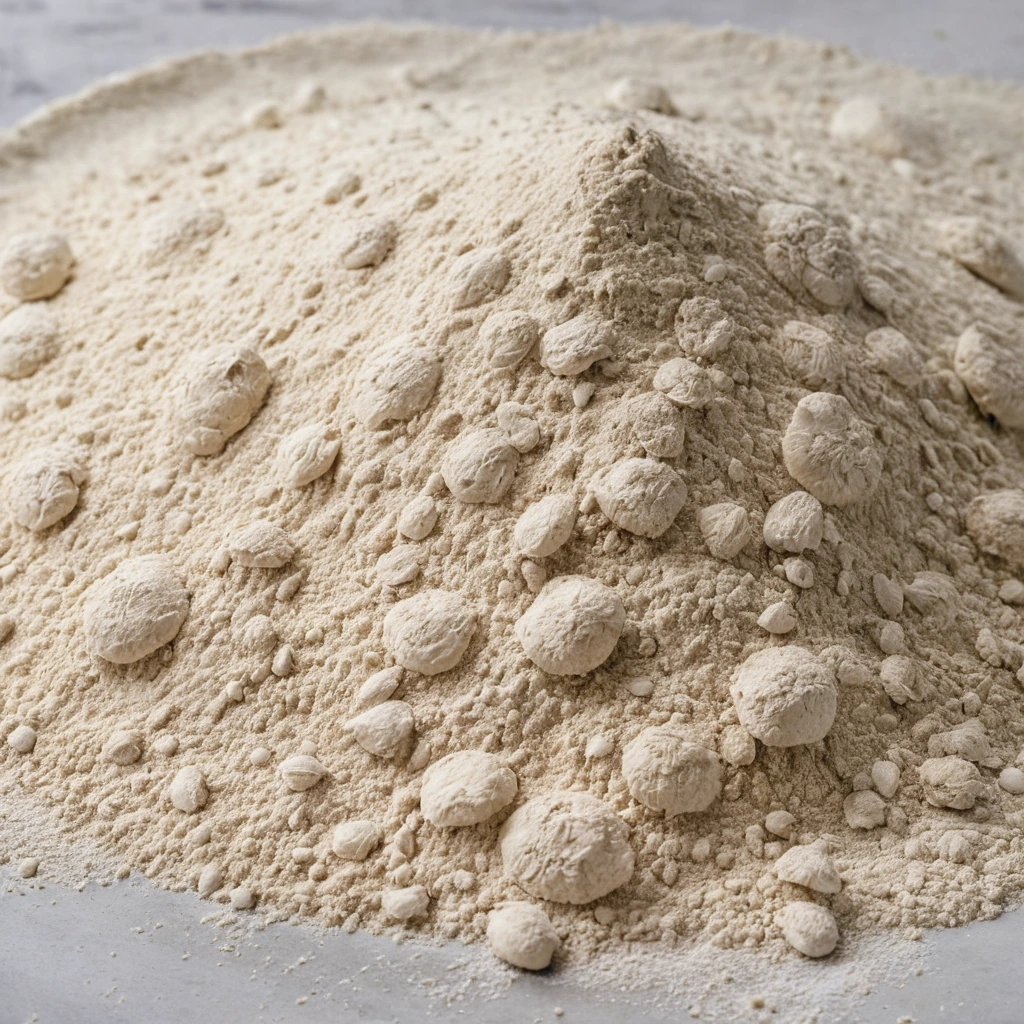
00 Pizza Flour
00 pizza flour is a finely milled Italian flour prized for its versatility in creating authentic Neapolitan-style pizza crusts. Originating from Italy, it is milled to a very fine consistency, which is reflected in its name, 'doppio zero,' indicating its fine grind. This flour has a balanced flavor profile, offering a mild, slightly sweet taste with a subtle nuttiness. Its texture is silky and smooth, contributing to a tender yet chewy crust when used in pizza making. In cooking, 00 pizza flour is known for its ability to hydrate quickly and develop a desirable gluten structure, resulting in a light and airy crust that can withstand high-heat cooking without becoming overly crispy or hard.
Recipes to try
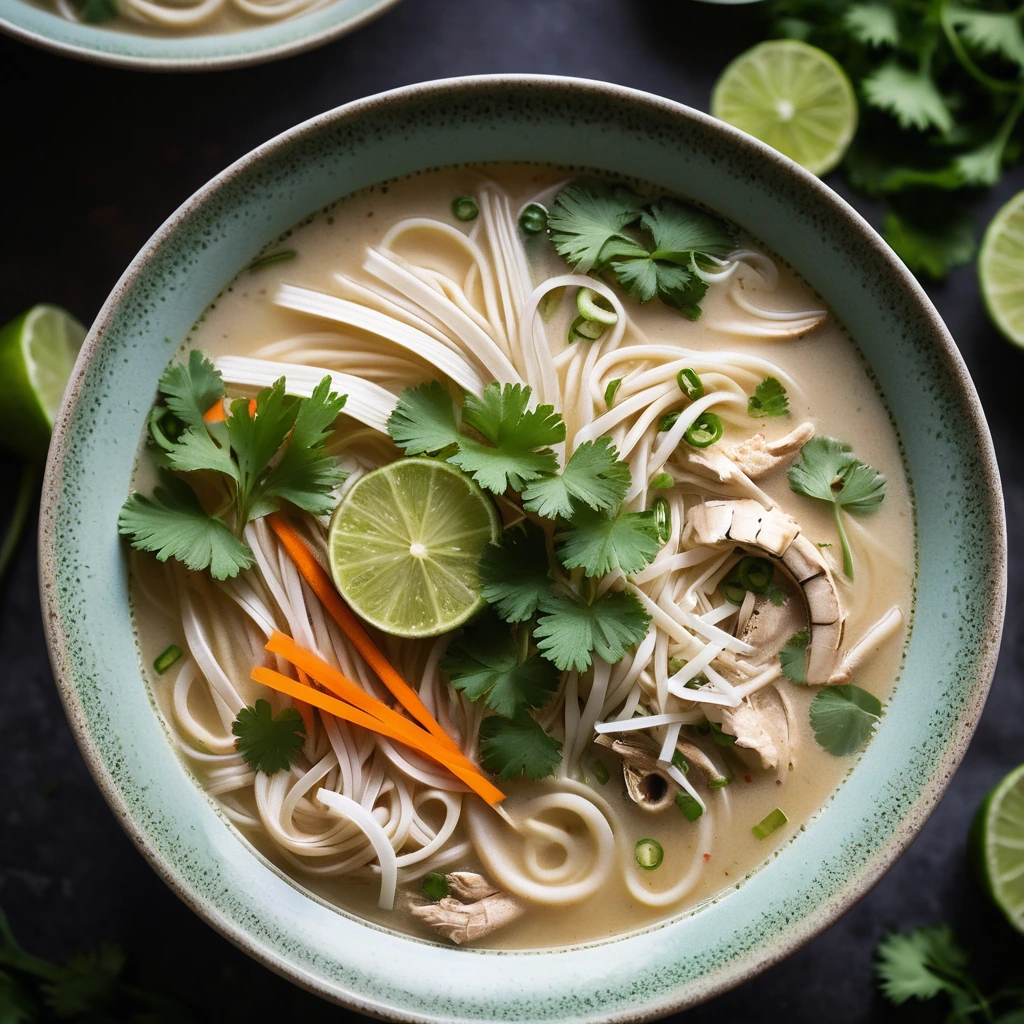
Thai Chicken Coconut Noodle Soup
Warm and fragrant, this soup is a symphony of coconut milk, zesty lime, and tender chicken with a hint of spice.
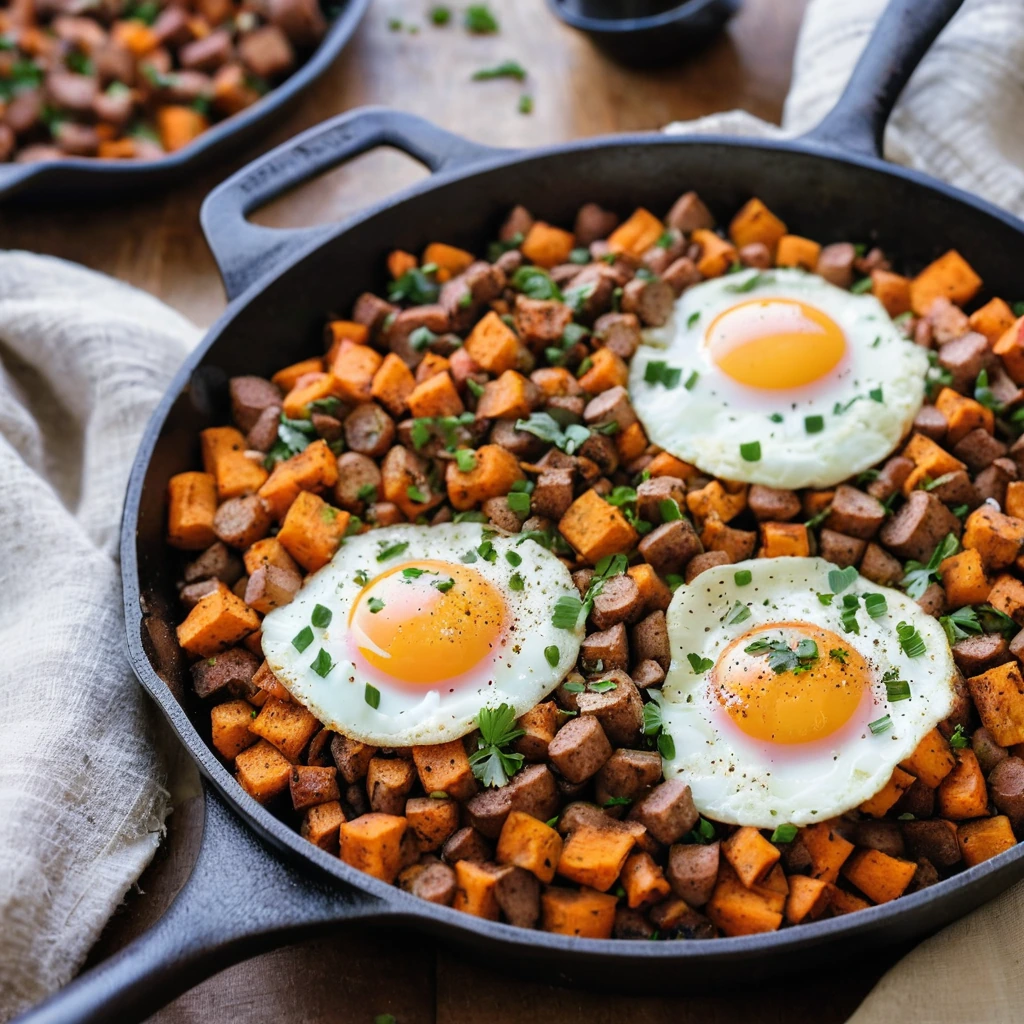
Sweet Potato, Sausage, and Egg Breakfast Hash
Rustic and hearty, this breakfast hash is a symphony of smoky sausage, tender sweet potatoes, and perfectly cooked eggs.