Legumes & Beans: Using Bean Cooking Liquid for Body
Unlocking the secret to creamy soups and stews lies within the often-discarded cooking liquid of legumes and beans. This liquid, also known as 'aquafaba' when sourced from canned beans, is a culinary treasure that can transform your dishes with its natural thickening properties. Rich in starch and proteins, this liquid is a sustainable and nutritious way to add body to your recipes. Whether you're cooking dried beans from scratch or opening a can of chickpeas, understanding how to harness this liquid can elevate your cooking. This technique dives into the science behind why bean cooking liquid works, how to maximize its potential, and practical tips for incorporating it into your culinary creations. From enhancing the texture of soups to creating vegan mayonnaise, the possibilities are vast and exciting.
Notes
The thickening power of bean cooking liquid comes from the starches and proteins released during the cooking process. These components help to stabilize and emulsify mixtures, making it an excellent vegan alternative to eggs in many recipes. Common mistakes include discarding the liquid or overcooking it, which can reduce its effectiveness. Safety-wise, always ensure your beans and their cooking liquid are properly stored to prevent bacterial growth. For make-ahead convenience, cook extra batches of beans specifically to stockpile this liquid, storing it in portion sizes that match your typical usage. It's a simple way to reduce waste and enhance your dishes with minimal effort.
Steps
- 1 Cook your dried beans in ample water, starting with a 3:1 ratio of water to beans.
- 2 Simmer beans gently until tender, typically 1 to 2 hours, skimming off any foam that arises.
- 3 Reserve the cooking liquid once beans are done, allowing it to cool before use.
- 4 For canned beans, drain but save the liquid in a separate container.
- 5 To thicken soups or stews, stir in 1/4 to 1/2 cup of the reserved liquid per quart of soup.
- 6 Simmer the soup gently for an additional 10 to 15 minutes to allow the liquid to work its thickening magic.
- 7 Whisk the cooking liquid into vinaigrettes or sauces for a silky texture.
- 8 Experiment with using it as an egg substitute in vegan baking, replacing each egg with 3 tablespoons of the liquid.
- 9 For a quick vegan mayonnaise, blend 1/4 cup of bean cooking liquid with 1/4 cup oil, 1 tablespoon lemon juice, and a pinch of salt.
- 10 Store unused cooking liquid in an airtight container in the refrigerator for up to a week.
- 11 When reheating dishes thickened with bean liquid, add a splash more if needed to adjust consistency.
- 12 Avoid boiling the liquid vigorously for prolonged periods to prevent it from breaking down too much.
Ingredients to explore
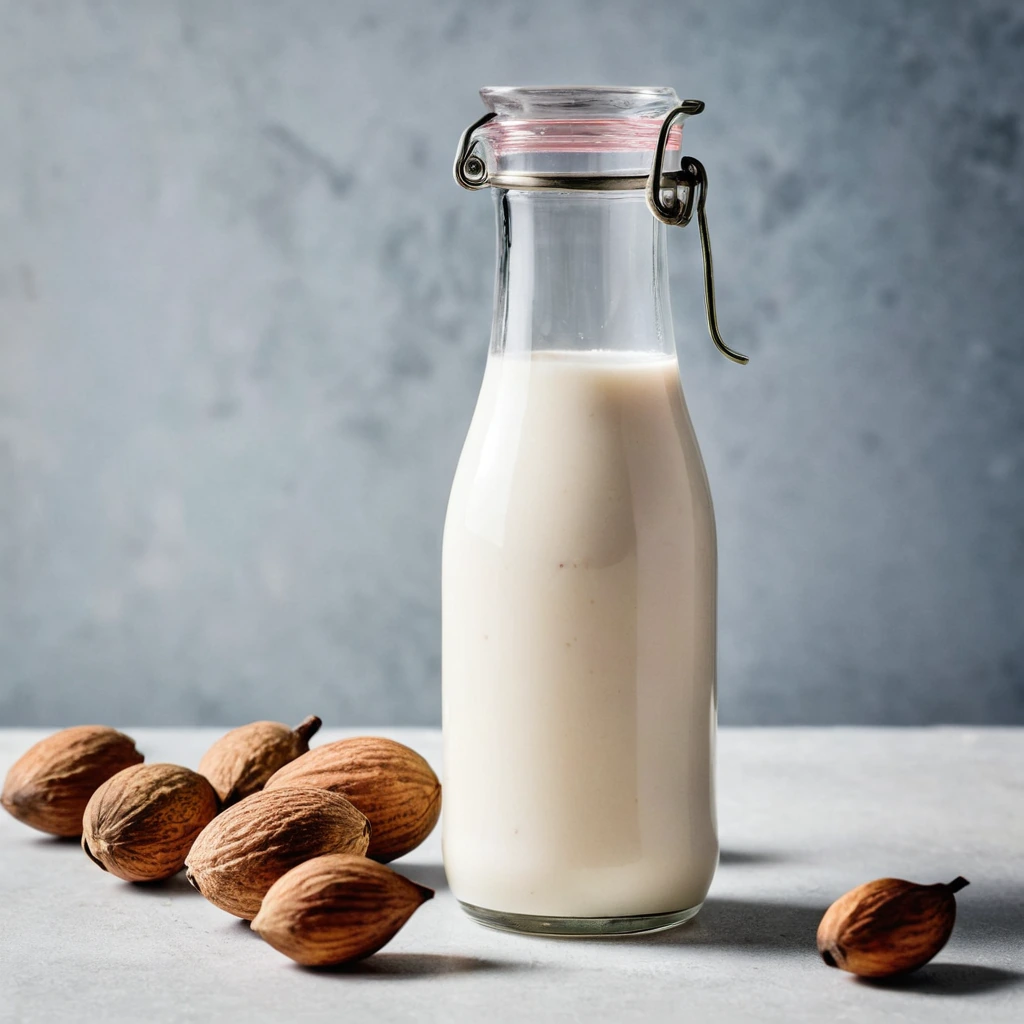
Almond Milk
Almond milk is a plant-based milk alternative made from ground almonds and water. Originating from traditional recipes in medieval Europe and the Middle East, it has gained widespread popularity in modern times as a dairy-free option. Almond milk has a subtly nutty flavor with a mild sweetness, and its aroma is reminiscent of fresh almonds. Its texture is smooth and creamy, though typically lighter than dairy milk. In cooking, almond milk behaves well in both savory and sweet applications, though it does not brown or caramelize like dairy milk. It is often used in cereals, smoothies, and baking, where its delicate flavor complements rather than overpowers other ingredients.
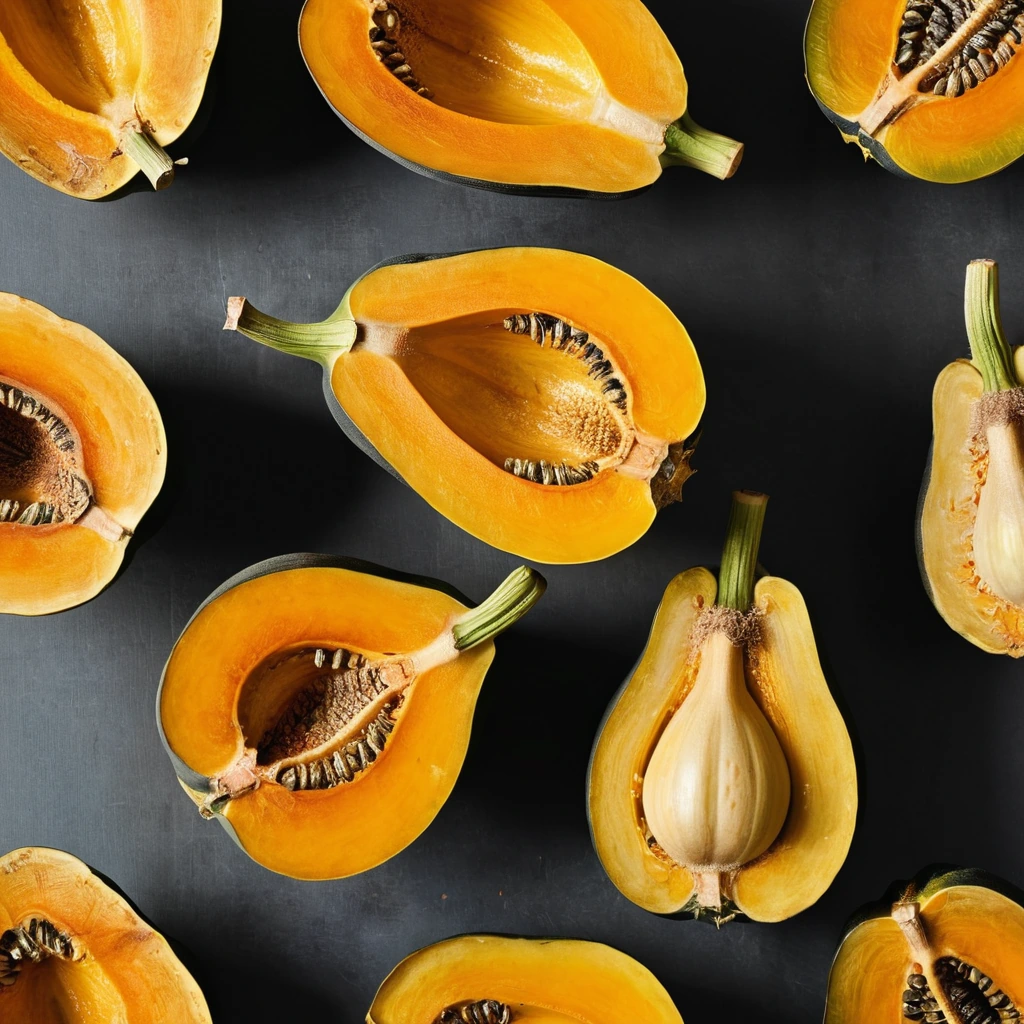
Acorn Squash
Acorn squash is a winter squash variety known for its distinctive teardrop shape and deep ridges resembling the texture of an acorn shell. Originating in the Americas, it has been cultivated for centuries and is a staple in autumn cuisine. The flesh is sweet and nutty with a hint of earthiness, offering a delightful contrast to savory dishes. Its texture is dense yet tender when cooked, making it ideal for roasting or pureeing. In cooking, acorn squash holds its shape well and absorbs flavors from herbs and spices, enhancing both its taste and versatility in recipes.
Recipes to try
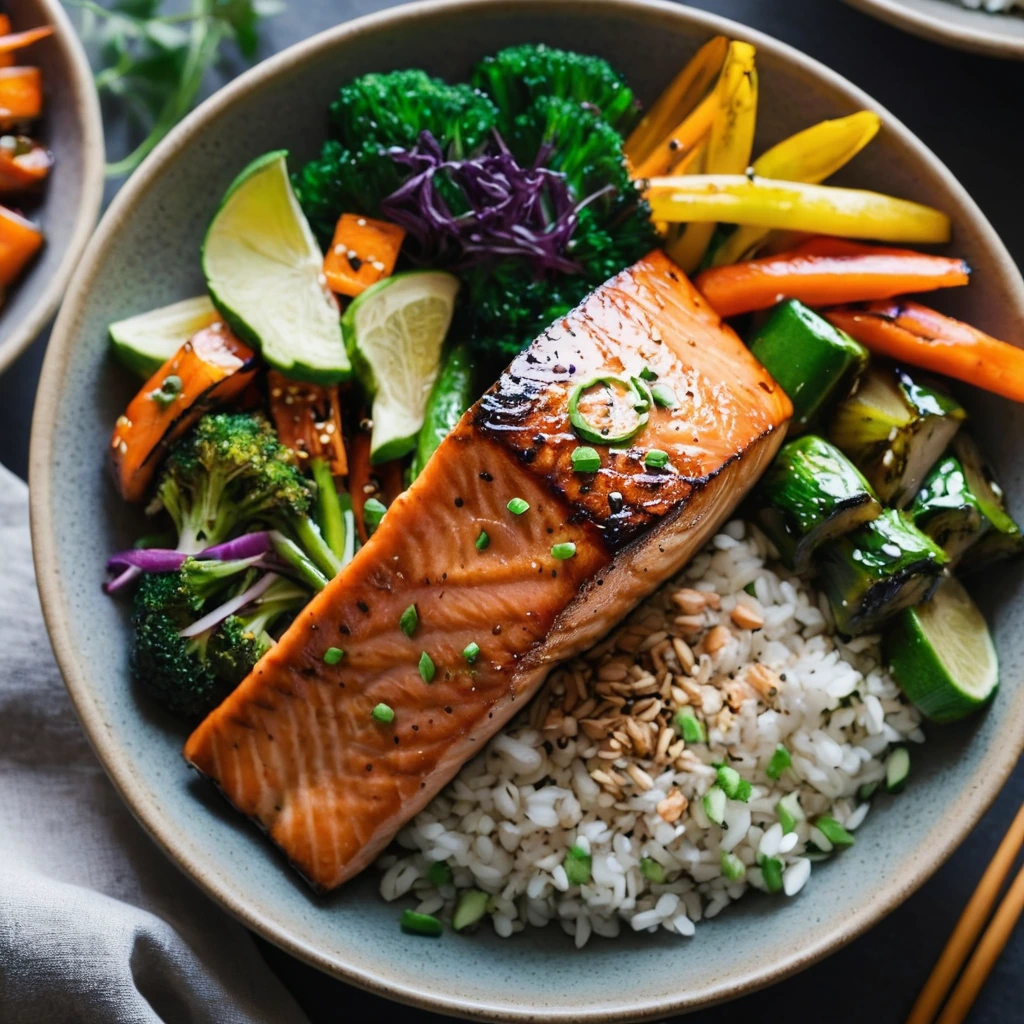
Teriyaki Glazed Salmon and Veggie Bowls
Sweet and savory teriyaki glaze coats succulent salmon fillets atop a vibrant medley of colorful veggies, creating a symphony of flavors in every bite.
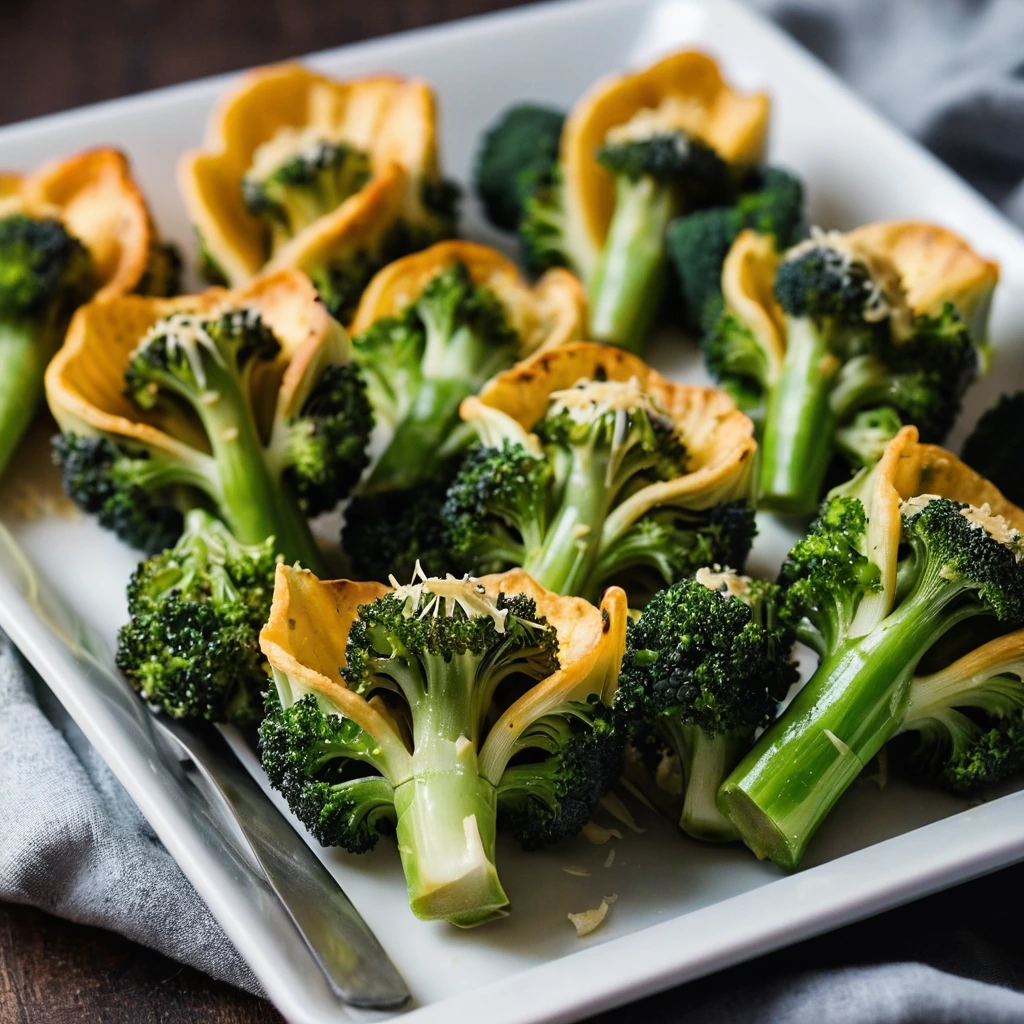
Roasted Broccoli and Cheddar Stuffed Shells
Creamy cheddar cheese and roasted broccoli unite in tender pasta shells for a veggie-packed, cheesy masterpiece.