Legumes & Beans: Puréeing Beans for Creamy Soups
Creating a creamy, velvety soup from legumes and beans is an art that transforms humble ingredients into something extraordinary. Puréeing beans not only smooths out the texture but also enhances the natural flavors, making your soup richer and more satisfying. The key to a perfect purée lies in the method and tools you use. This technique is essential for dishes like creamy black bean soup, velvety white bean soup, or a luscious lentil puree. First, selecting the right beans is crucial—larger beans like cannellini or navy beans work particularly well due to their creamy texture when cooked. Secondly, cooking the beans until they are soft enough to break down easily is vital. Avoid undercooked beans, as they will resist puréeing and leave your soup grainy. When puréeing, you have options: an immersion blender, food processor, or traditional blender. Each tool offers different levels of control and texture. Using an immersion blender allows you to work directly in the pot, minimizing mess and effort, while a food processor or blender can yield an even smoother result if done in batches. Adding cooking liquid gradually helps achieve the desired consistency without diluting the flavors too much. Seasoning is another critical step, as puréeing can mute some flavors, so it's best to adjust seasoning after puréeing. Finally, finishing touches like a swirl of olive oil or a sprinkle of fresh herbs can elevate your soup from good to gourmet. This technique is not just about achieving creaminess but also about unlocking deeper flavors and creating a luxurious mouthfeel that will impress your diners.
Notes
Puréeing beans transforms their starches into a natural thickener, creating a creamy texture without the need for cream or dairy. This technique is perfect for those looking for a lighter option or catering to dietary restrictions. When using a blender or food processor, always ensure the lid is securely fastened and cover it with a towel to prevent hot liquids from splashing. To avoid overworking the beans, which can lead to a gluey texture, purée in short bursts. For make-ahead purposes, store the puréed soup in an airtight container in the refrigerator for up to 3 days or freeze for up to 3 months. When reheating, add a splash of liquid as freezing can thicken the soup further.
Steps
- 1 Select large, creamy beans like cannellini or navy beans for best results.
- 2 Cook beans until very tender, about 1.5 to 2 hours for dried beans, or use canned beans drained and rinsed.
- 3 Reserve some cooking liquid from the beans for adjusting soup consistency later.
- 4 Transfer a portion of the beans to a blender or food processor, leaving space for blending.
- 5 Add a small amount of reserved cooking liquid to the blender to aid puréeing.
- 6 Purée the beans on high until completely smooth, working in batches if necessary.
- 7 For immersion blender use, submerge it directly into the pot and blend until smooth.
- 8 Gradually add more cooking liquid to reach your desired soup consistency.
- 9 Season the soup with salt and pepper to taste after puréeing, adjusting as needed.
- 10 Stir in additional ingredients like sautéed vegetables or herbs if desired.
- 11 Reheat the soup gently to avoid splitting or overcooking.
- 12 Finish with a drizzle of olive oil or a sprinkle of fresh herbs before serving.
- 13 Taste and adjust seasoning once more before serving.
Ingredients to explore
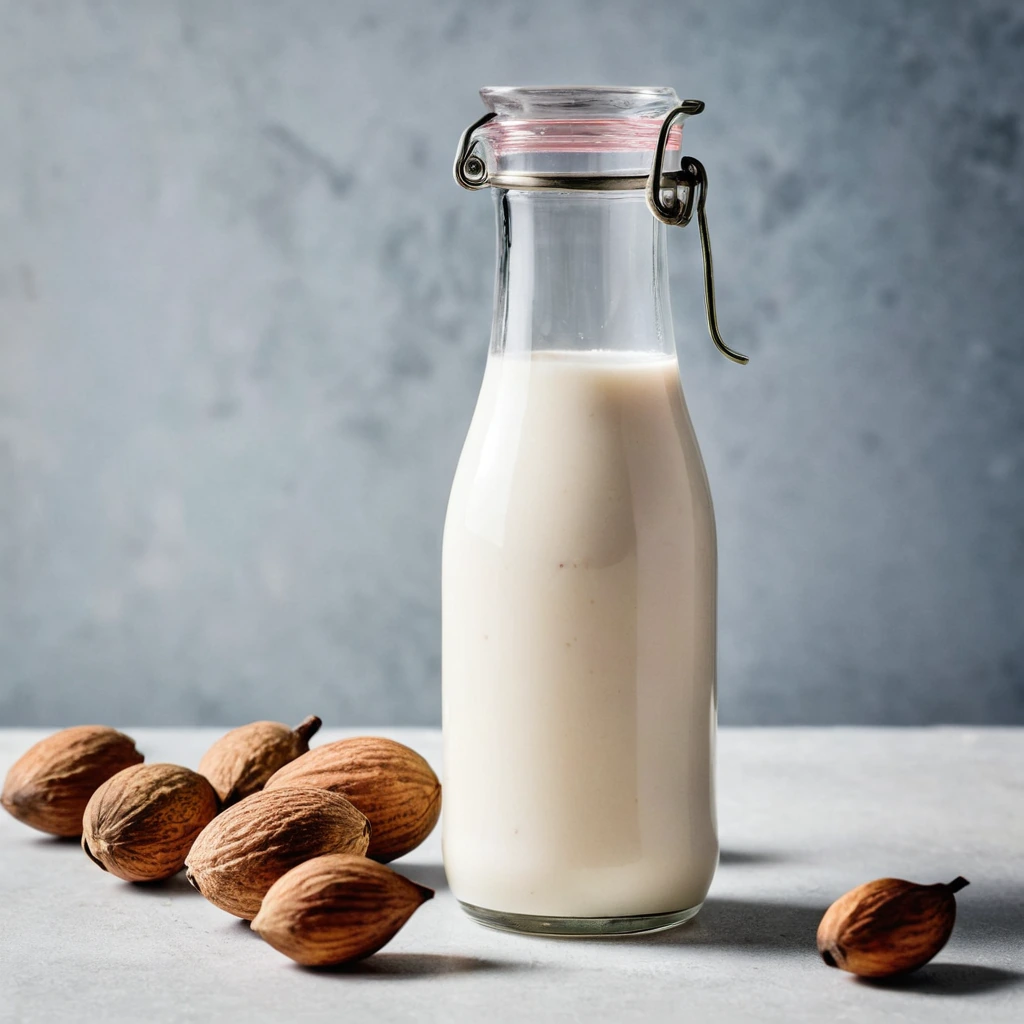
Almond Milk
Almond milk is a plant-based milk alternative made from ground almonds and water. Originating from traditional recipes in medieval Europe and the Middle East, it has gained widespread popularity in modern times as a dairy-free option. Almond milk has a subtly nutty flavor with a mild sweetness, and its aroma is reminiscent of fresh almonds. Its texture is smooth and creamy, though typically lighter than dairy milk. In cooking, almond milk behaves well in both savory and sweet applications, though it does not brown or caramelize like dairy milk. It is often used in cereals, smoothies, and baking, where its delicate flavor complements rather than overpowers other ingredients.

Andouille Sausage
Andouille sausage is a coarse-grained, smoked pork sausage with a rich history rooted in French cuisine, particularly from the Alsace region. It was adapted in Louisiana, where it became a staple in Cajun and Creole cooking. The sausage is known for its robust, smoky flavor with hints of garlic, pepper, and other spices, creating a spicy and savory profile. Its texture is firm yet slightly chewy, making it a hearty addition to dishes. When cooked, andouille sausage maintains its shape well and infuses dishes with its distinctive smoky essence, enhancing stews, soups, and rice dishes.
Recipes to try
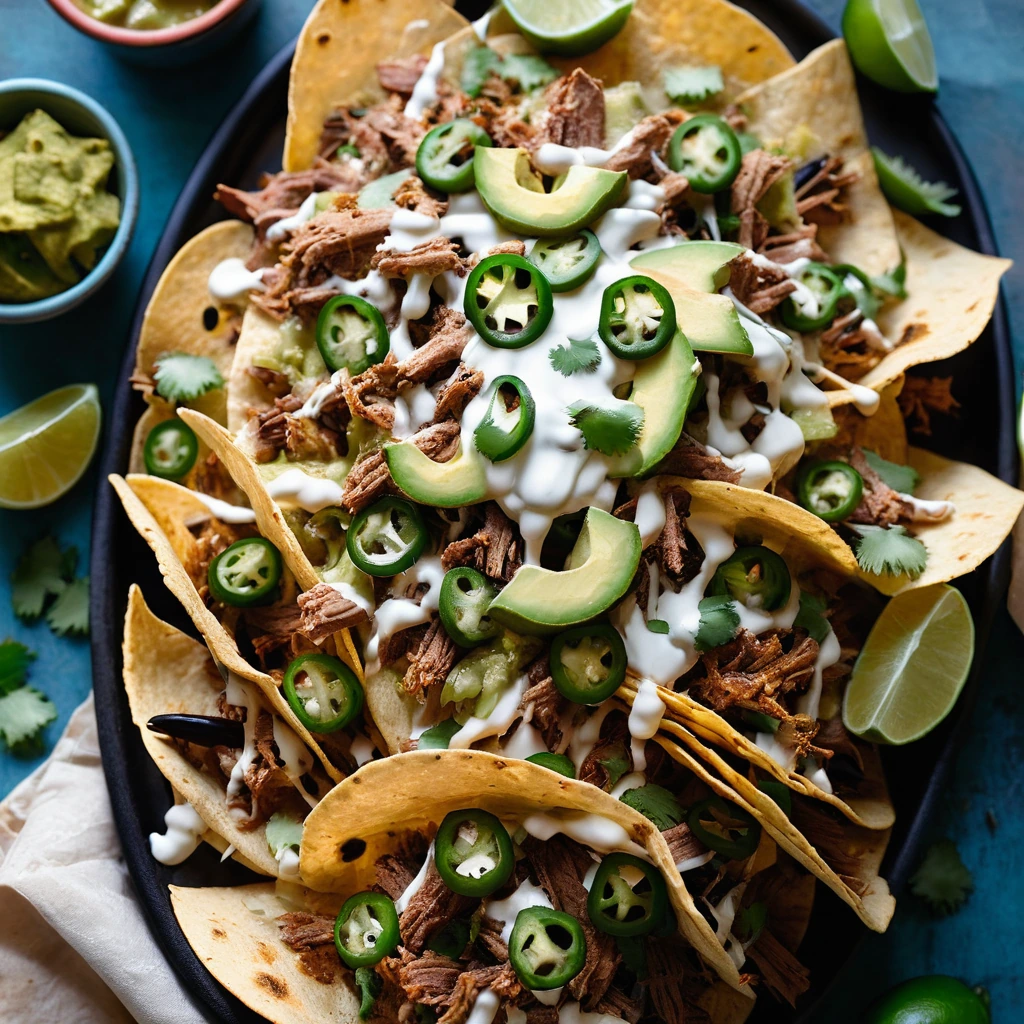
Pork Carnitas Nachos with Queso and Jalapeños
Crispy tortilla chips smothered in tender pork carnitas, melty queso, and zesty jalapeños for a fiesta in your mouth.
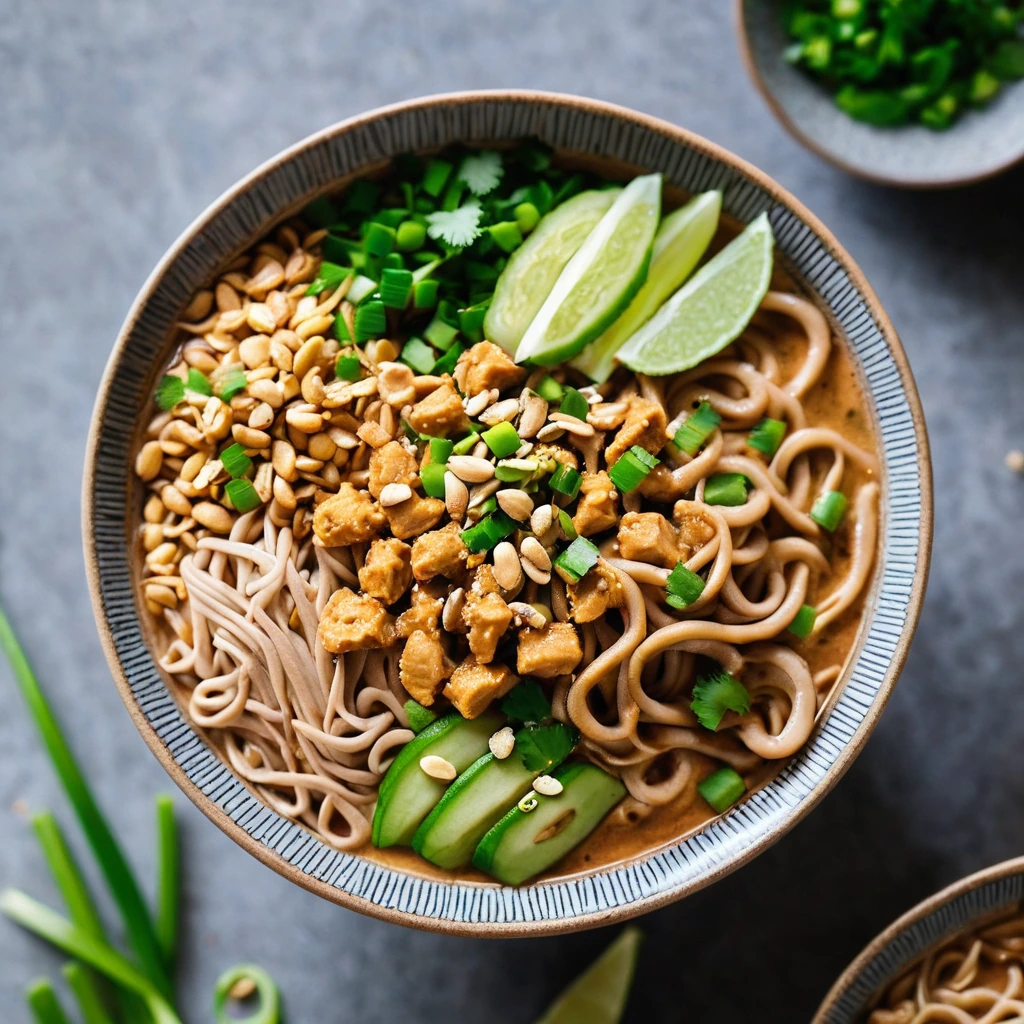
Spicy Peanut Chicken Noodle Bowls
Creamy peanut sauce clings to tender chicken and chewy noodles in a vibrant, fiery bowl that's comfort food on steroids.