Knife Technique: Removing Pomegranate Seeds Without the Mess
Unlock the secret to effortlessly extracting pomegranate seeds with minimal mess using a simple knife technique. This method is perfect for home cooks who want to enjoy the vibrant flavor and health benefits of pomegranate arils without the frustration of traditional seed removal. We'll dive into the specifics of selecting the right knife, understanding the structure of the pomegranate, and mastering the precise cuts needed to release those juicy seeds intact. Say goodbye to stained countertops and hello to a cleaner, more efficient process that brings professional-level results into your kitchen.
Notes
This technique works because water keeps the seeds intact and prevents staining from juice splatters. A common mistake is cutting too deeply into the seeds, which can break them open and create a mess. Always use a sharp knife to ensure clean, precise cuts. For safety, be mindful of your fingers while separating the seeds. You can prepare the seeds ahead of time and store them in an airtight container in the refrigerator to maintain freshness.
Steps
- 1 Gather a sharp paring knife and a cutting board.
- 2 Cut off the crown of the pomegranate with a short, sharp sawing motion.
- 3 Score the pomegranate from top to bottom, cutting through the skin and pith but not the seeds, creating 6 to 8 wedges.
- 4 Submerge the scored pomegranate in a large bowl of water.
- 5 Gently pry apart the pomegranate into the wedges under water.
- 6 Use your fingers to separate the seeds from the membrane, letting the seeds sink and the membrane float.
- 7 Skim off and discard the floating membrane pieces.
- 8 Lift out the seeds with a slotted spoon and transfer them to a colander.
- 9 Rinse the seeds gently under cold water.
- 10 Pat the seeds dry with a clean kitchen towel.
- 11 Transfer the seeds to a storage container.
- 12 Use immediately or refrigerate for up to 5 days.
- 13 Enjoy your perfectly extracted, mess-free pomegranate seeds!
Ingredients to explore
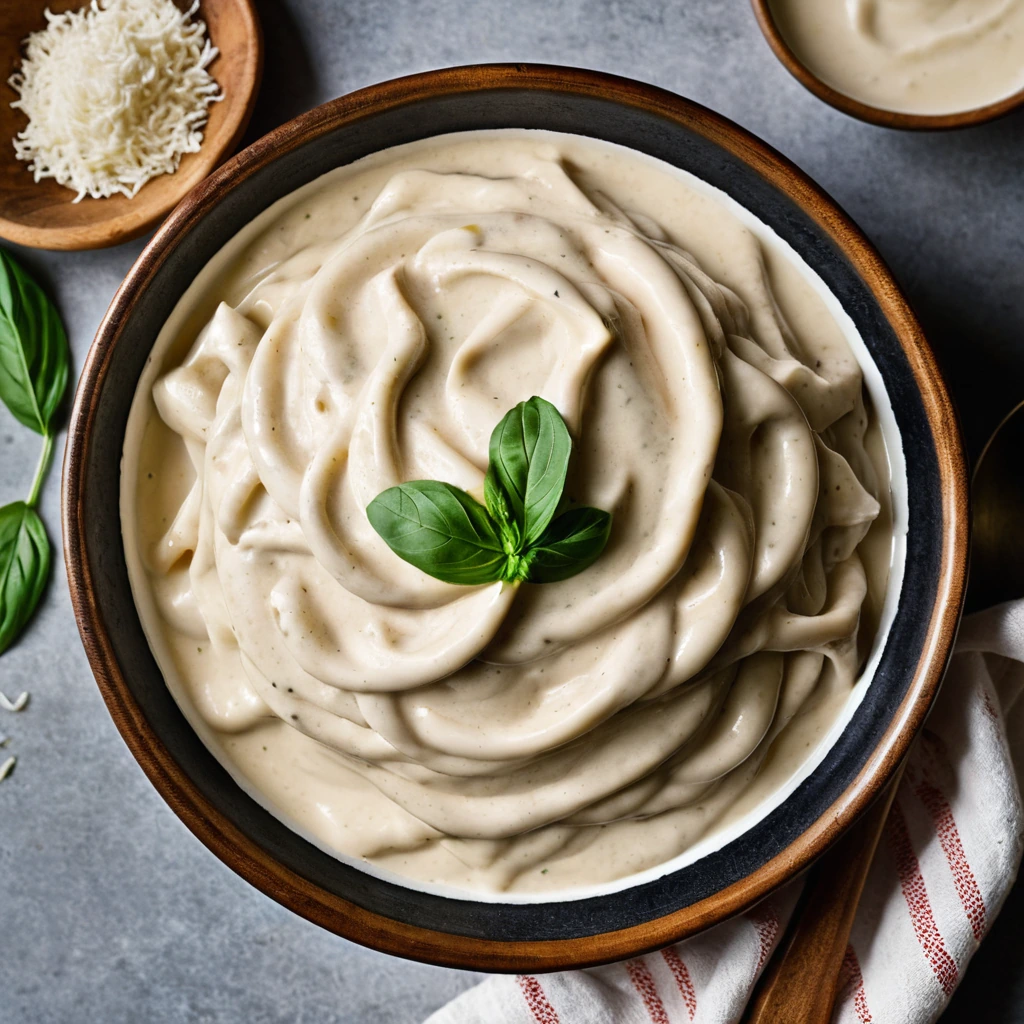
Alfredo Sauce
Creamy, rich, and utterly indulgent, Alfredo sauce is a dreamy blend of butter, heavy cream, and Parmesan cheese. Its velvety texture and savory depth make it a beloved staple in Italian-American cuisine.
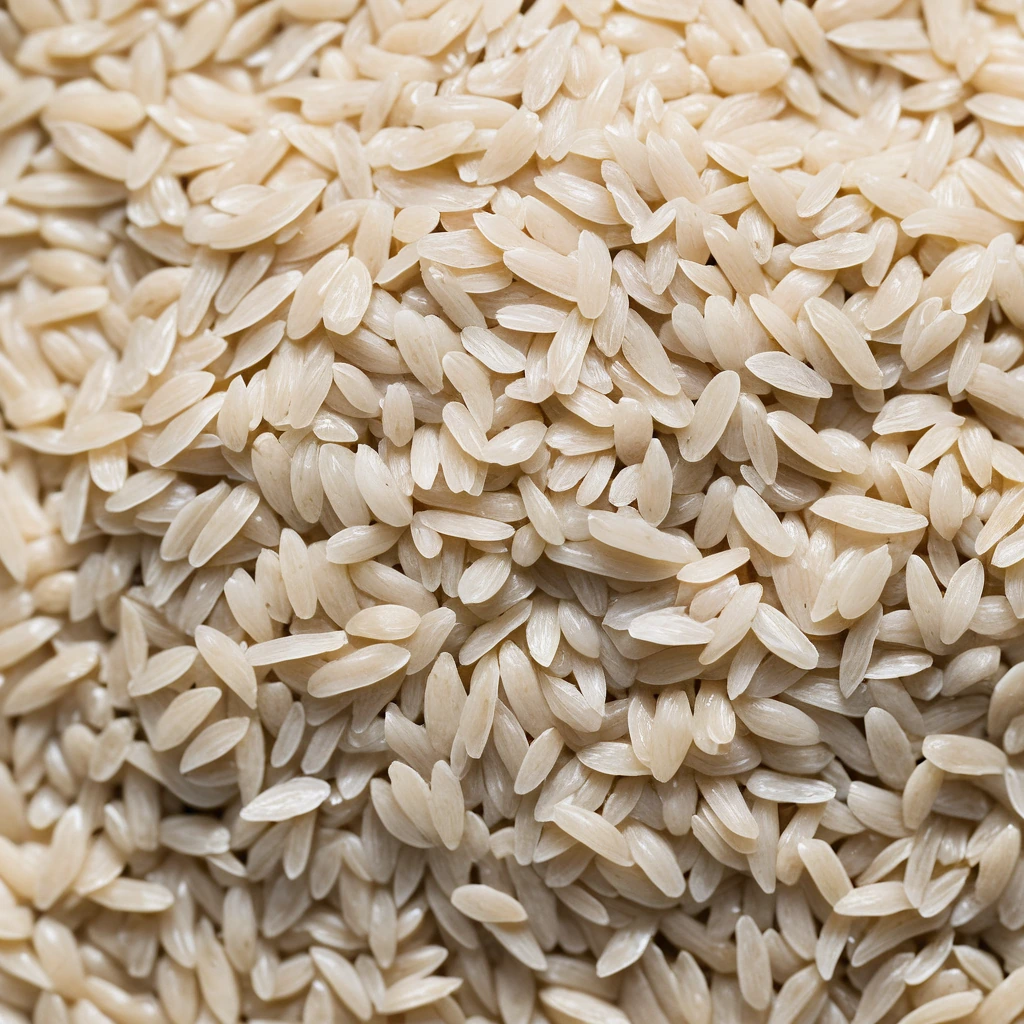
Arborio Rice
Arborio rice is a short-grain Italian rice variety renowned for its use in risotto. Originating from the Po Valley in Northern Italy, it is a staple in Italian cuisine. Its flavor is mild and nutty, with a pleasant creamy texture when cooked due to its high amylopectin content, which releases starch and creates a velvety consistency. The grains remain plump and firm to the bite, offering a satisfying chewiness. In cooking, Arborio rice excels at absorbing flavors from broths and seasonings while maintaining its shape, making it ideal for dishes that require both creaminess and structure.
Recipes to try
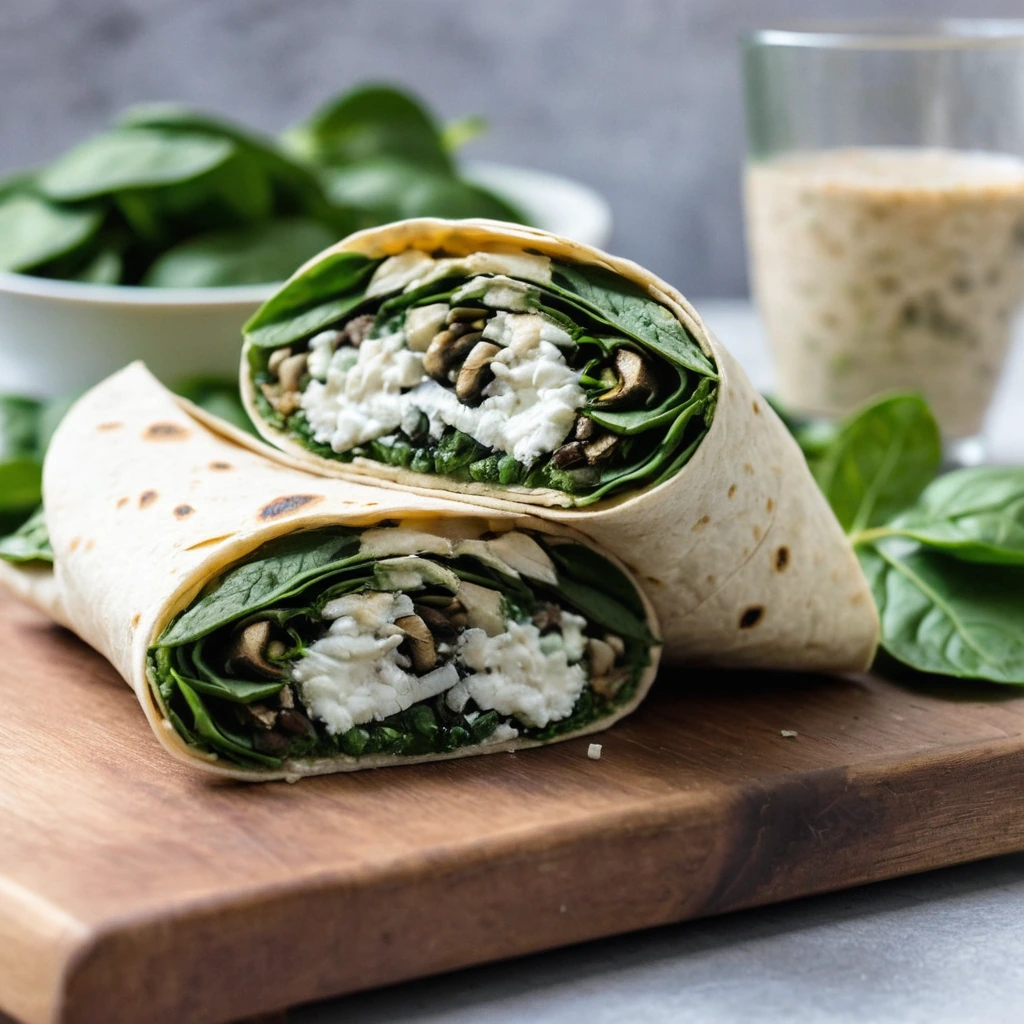
Spinach, Mushroom, and Feta Breakfast Wraps
These wraps are a cozy morning hug in a tortilla—creamy feta, earthy mushrooms, and vibrant spinach meld into a hearty breakfast.
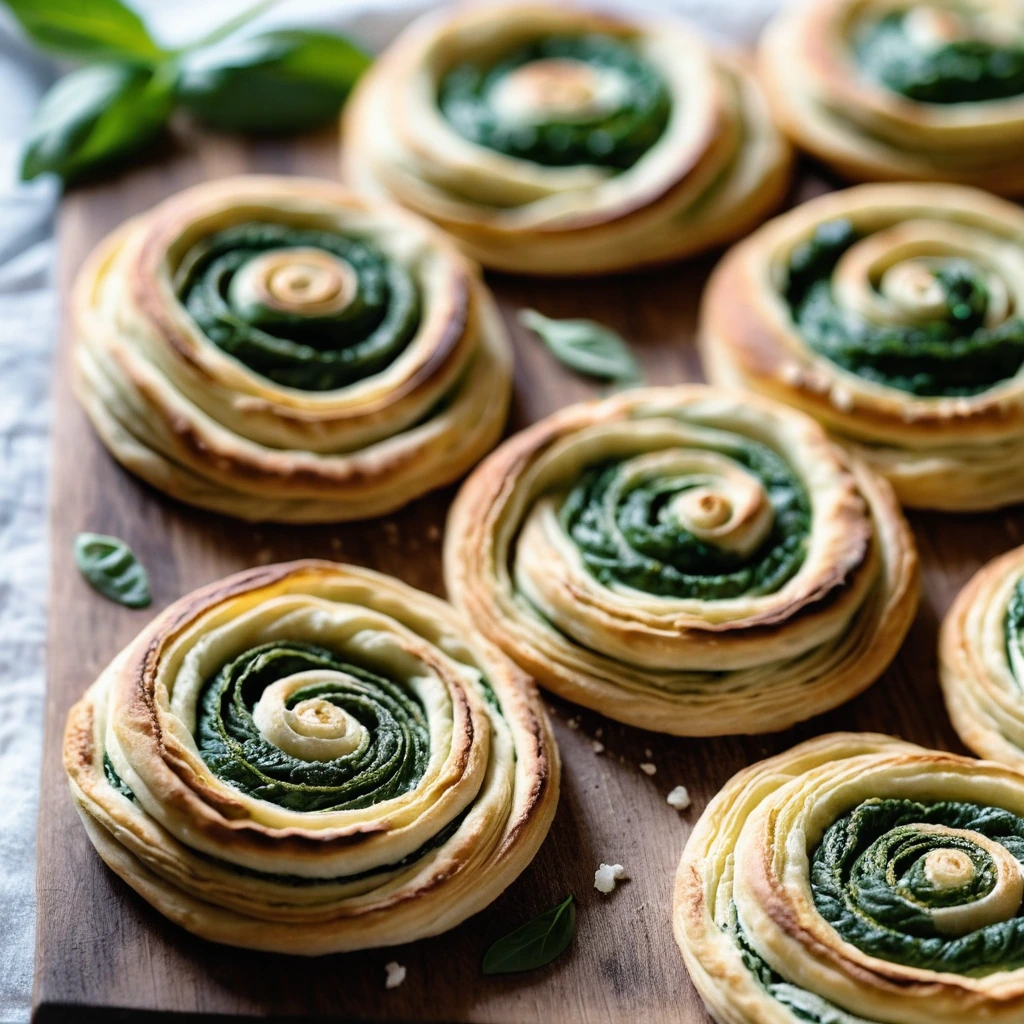
Spinach and Feta Puff Pastry Swirls
Golden, flaky layers of puff pastry embrace a savory mix of spinach and tangy feta in these irresistible swirls.