Knife Skills: Cleaning and Trimming Fresh Herbs
Mastering the art of cleaning and trimming fresh herbs is an essential skill for any home cook looking to elevate their culinary game. Fresh herbs are the vibrant soul of many dishes, lending flavor and aroma that dried herbs can hardly replicate. However, before you can chop, mince, or chiffonade, you need to ensure your herbs are clean and properly trimmed to maximize their freshness and flavor. This technique will guide you through selecting the best herbs, washing them without wilting, and trimming them to perfection. Whether you're working with delicate cilantro, robust rosemary, or leafy basil, understanding how to handle these ingredients will transform your cooking. We'll delve into why certain herbs require gentle handling while others can withstand a brisk rinse. By the end of this guide, you'll be equipped with the confidence and know-how to prepare your herbs like a seasoned chef, ensuring that each dish you create bursts with fresh, vibrant flavor.
Notes
The science behind cleaning and trimming herbs is simple yet crucial: proper handling preserves their volatile oils, which are responsible for their distinctive flavors and aromas. When washing, use cold water to prevent wilting, and avoid soaking delicate herbs for too long. A common mistake is over-drying, which can bruise leaves; instead, gently pat them with a towel. Safety is key when using sharp knives—always cut away from your body and use a stable cutting surface. For storage, wrap herbs in a damp paper towel and keep them in a sealed bag in the refrigerator to extend their life. Make-ahead tip: Prepare and store herbs in ice cube trays with a bit of water or oil for easy use in future recipes.
Steps
- 1 Select fresh, vibrant herbs with no signs of yellowing or mold.
- 2 Fill a large bowl with cold water.
- 3 Gently submerge the herbs in the water, agitating them to release dirt.
- 4 Lift the herbs out and let any debris sink to the bottom.
- 5 Repeat the rinsing process until no dirt remains.
- 6 Lay the herbs on a clean kitchen towel to air dry.
- 7 Gently pat the herbs dry with another towel to remove excess moisture.
- 8 Inspect each stem and remove any discolored or damaged leaves.
- 9 For woody herbs like rosemary or thyme, strip the leaves from the stems.
- 10 For leafy herbs like basil or cilantro, trim off any thick stems or roots.
- 11 Stack leaves and roll them into a tight cylinder for uniform cutting.
- 12 Slice across the rolled leaves to create ribbons or chiffonade.
- 13 Mince the herbs as needed for your recipe.
- 14 Store any unused herbs properly to maintain freshness.
Ingredients to explore
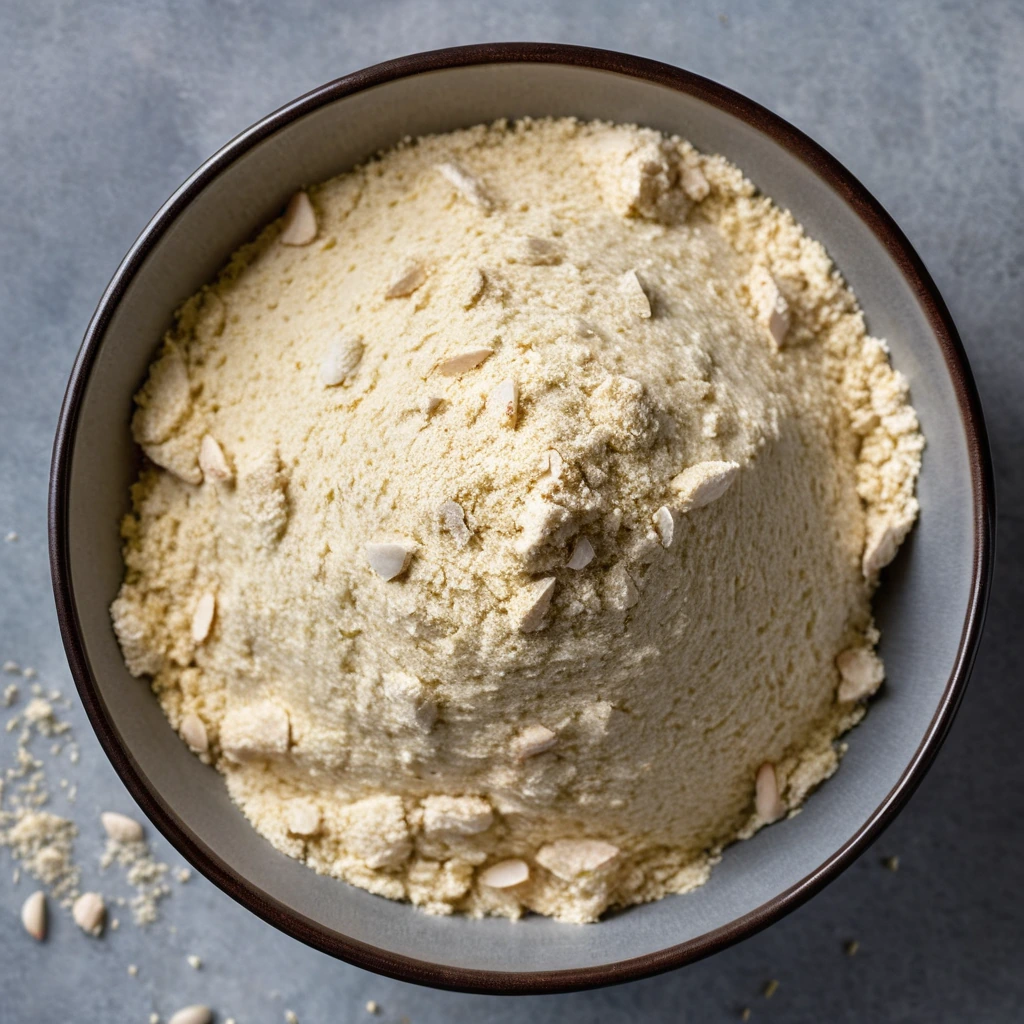
Almond Flour
A finely ground flour made from blanched almonds, offering a delicate nutty aroma and a tender crumb to your baked goods.
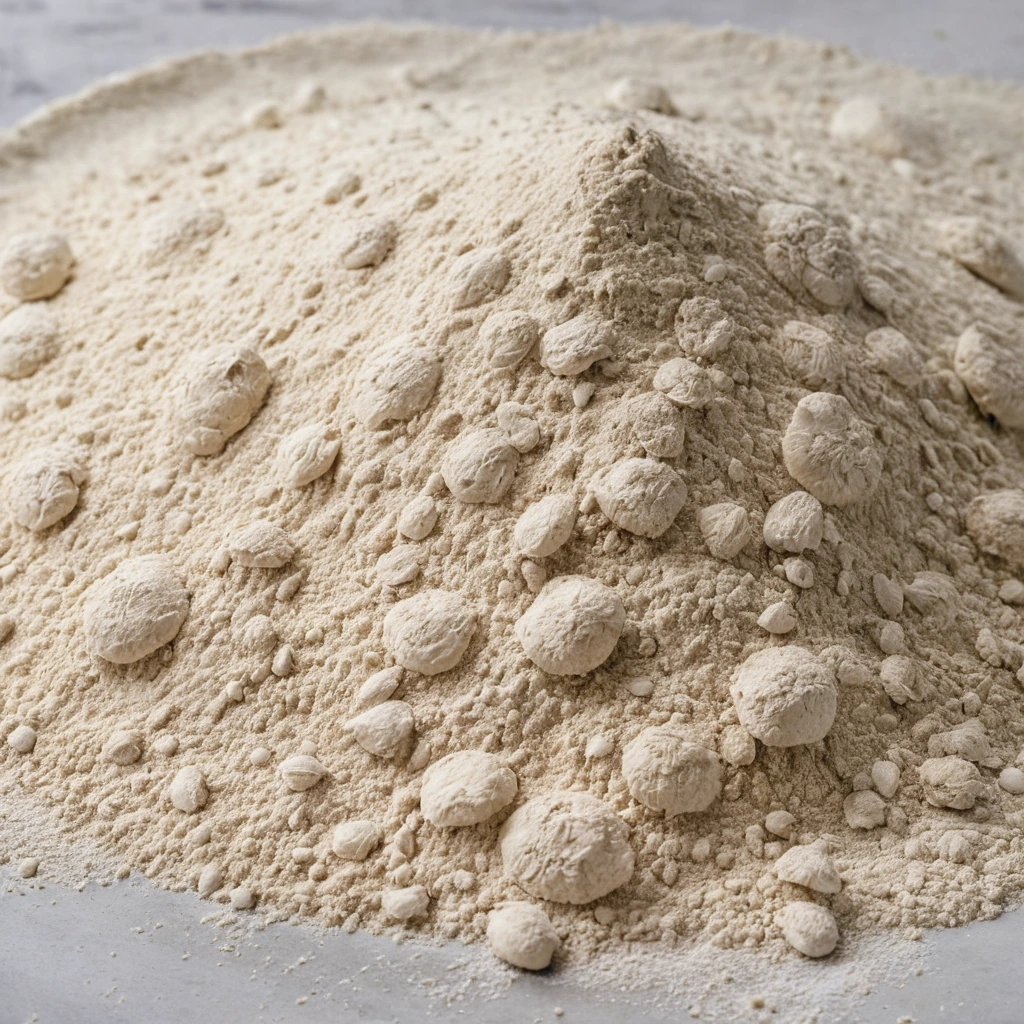
00 Pizza Flour
00 pizza flour is a finely milled Italian flour prized for its versatility in creating authentic Neapolitan-style pizza crusts. Originating from Italy, it is milled to a very fine consistency, which is reflected in its name, 'doppio zero,' indicating its fine grind. This flour has a balanced flavor profile, offering a mild, slightly sweet taste with a subtle nuttiness. Its texture is silky and smooth, contributing to a tender yet chewy crust when used in pizza making. In cooking, 00 pizza flour is known for its ability to hydrate quickly and develop a desirable gluten structure, resulting in a light and airy crust that can withstand high-heat cooking without becoming overly crispy or hard.
Recipes to try
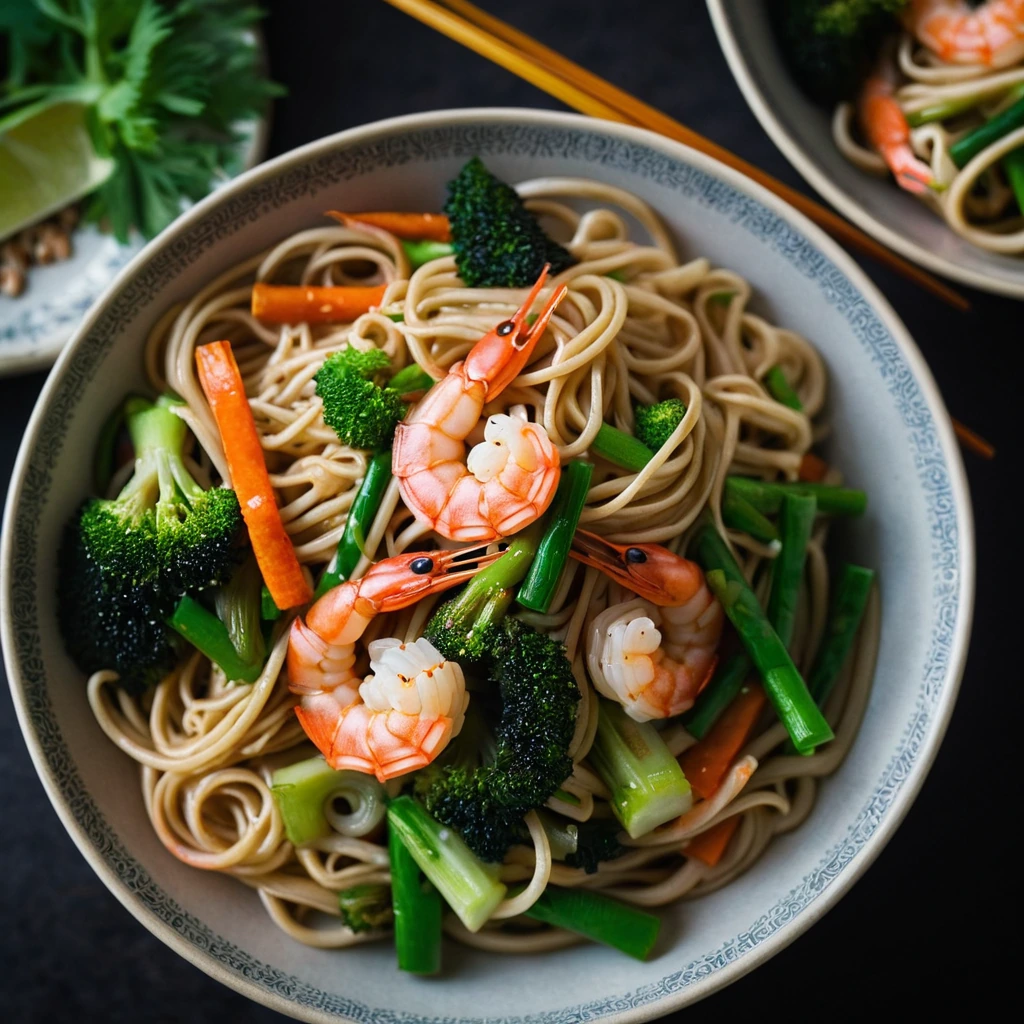
Shrimp and Veggie Lo Mein
Silky noodles twirled with succulent shrimp and a colorful medley of veggies in a savory sauce that'll have you slurping for more.
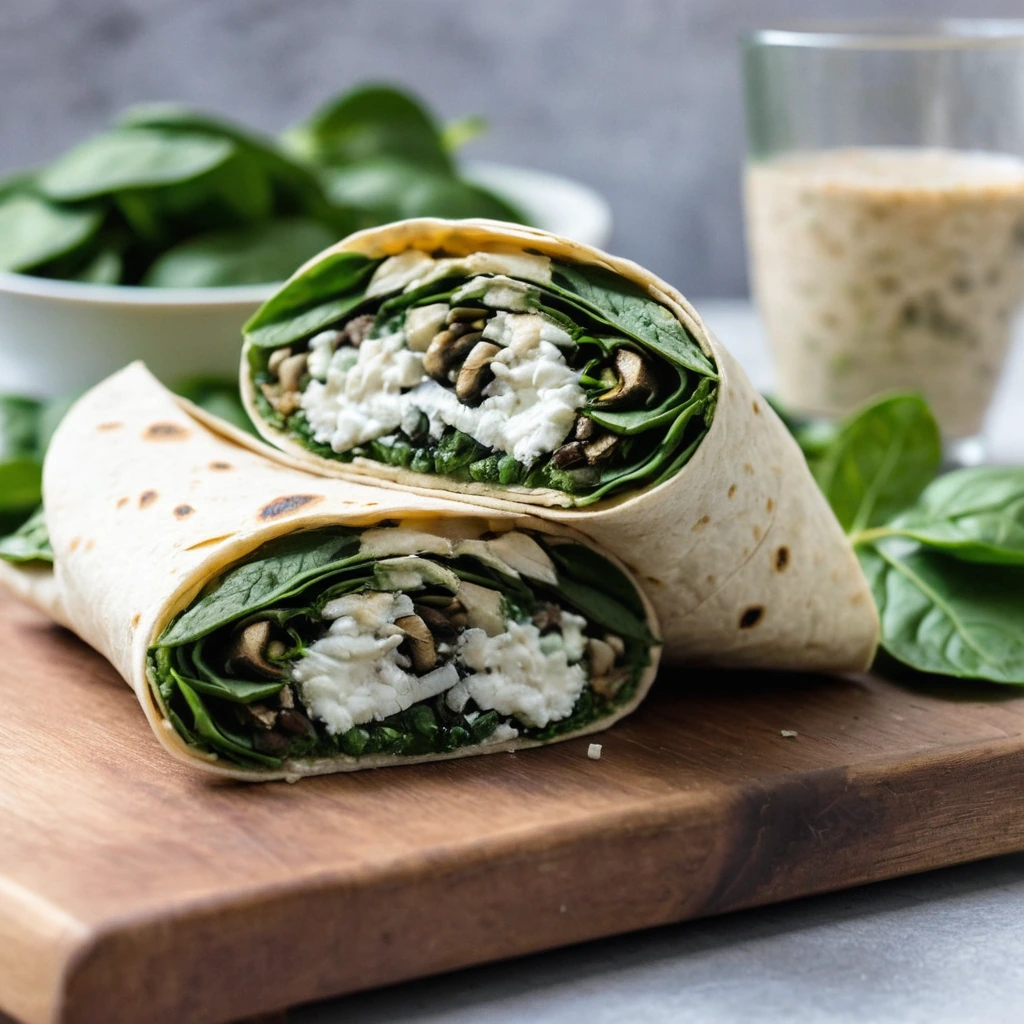
Spinach, Mushroom, and Feta Breakfast Wraps
These wraps are a cozy morning hug in a tortilla—creamy feta, earthy mushrooms, and vibrant spinach meld into a hearty breakfast.