Hydration: Blooming Gelatin for Desserts
Blooming gelatin is a foundational technique in dessert making that ensures gelatin dissolves smoothly into your mixtures, avoiding unsightly clumps and ensuring a perfect texture. Gelatin is a versatile ingredient used to thicken, stabilize, and create delightful textures in mousses, panna cotta, and gummies. Before it can work its magic, however, it needs to be properly hydrated. This process, known as blooming, involves soaking the gelatin in cold water to allow it to absorb moisture and swell. This step is crucial because adding dry gelatin directly to hot liquids can cause it to clump and not dissolve properly, leading to a lumpy texture. The right hydration technique ensures your desserts are silky smooth and professional-looking. In this guide, we'll walk you through the blooming process, offering clear steps and insights into why it works and how to troubleshoot common issues.
Notes
Blooming gelatin is a simple yet critical step that ensures a smooth, even texture in your desserts. The science behind it lies in gelatin's protein structure, which absorbs water and swells, making it easier to dissolve later. A common mistake is using warm water for blooming, which can partially dissolve the gelatin prematurely and lead to clumping. Always use cold water to ensure the gelatin blooms properly. Additionally, patience is key; skipping or rushing the bloom time can result in undissolved granules. For storage, recipes incorporating gelatin are typically best enjoyed fresh, though leftovers can be refrigerated for up to 3 days. When reheating, do so gently to avoid breaking down the gelatin structure.
Steps
- 1 Sprinkle the gelatin evenly over cold water in a heatproof bowl.
- 2 Use 1 tablespoon of cold water per 1 sheet of gelatin or 1 teaspoon of granulated gelatin.
- 3 Allow the gelatin to sit undisturbed for 5 to 10 minutes.
- 4 Observe the gelatin as it softens and swells, becoming spongy and translucent.
- 5 After blooming, gently warm the mixture in a double boiler or microwave.
- 6 Heat until the gelatin is completely dissolved, stirring occasionally.
- 7 Avoid boiling the mixture, as high temperatures can degrade the gelatin.
- 8 Once dissolved, immediately incorporate the gelatin solution into your dessert mixture.
- 9 Whisk thoroughly to ensure even distribution of the gelatin.
- 10 Proceed with your recipe as directed.
Ingredients to explore
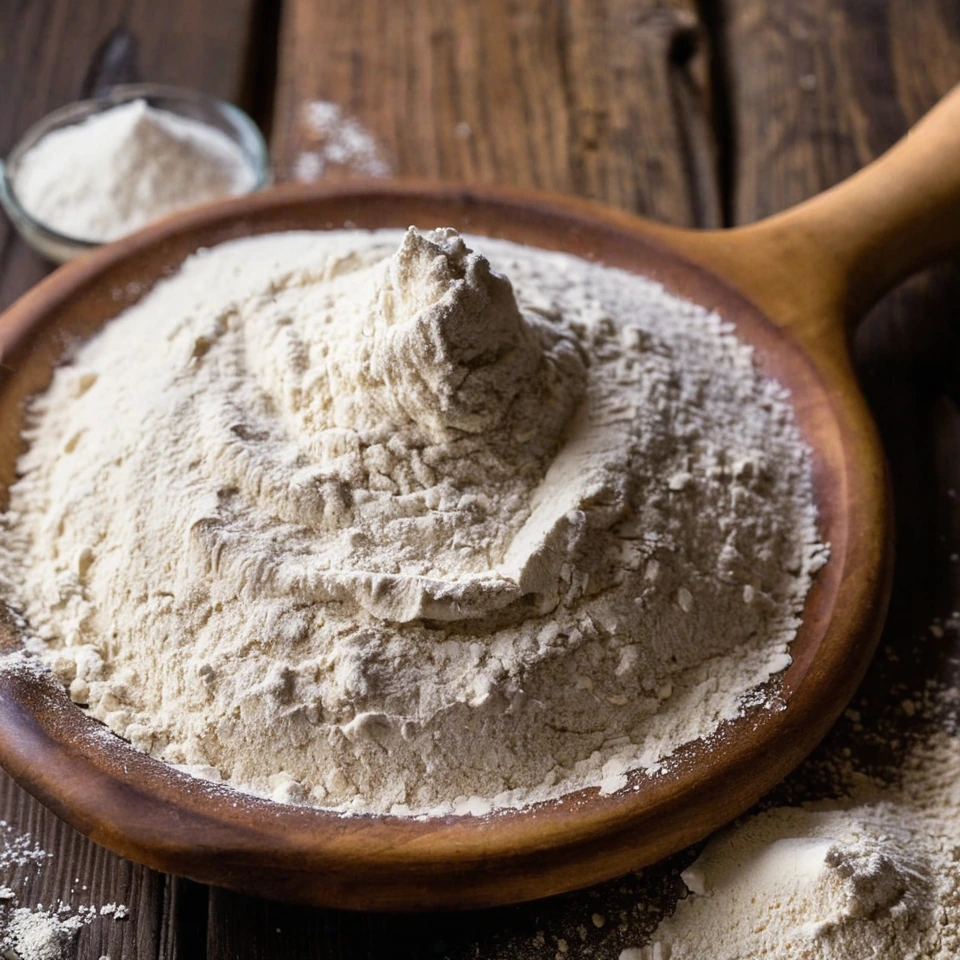
All-Purpose Flour
All-purpose flour is a versatile wheat flour that contains a moderate level of protein and gluten, making it suitable for a wide range of baking and cooking needs.
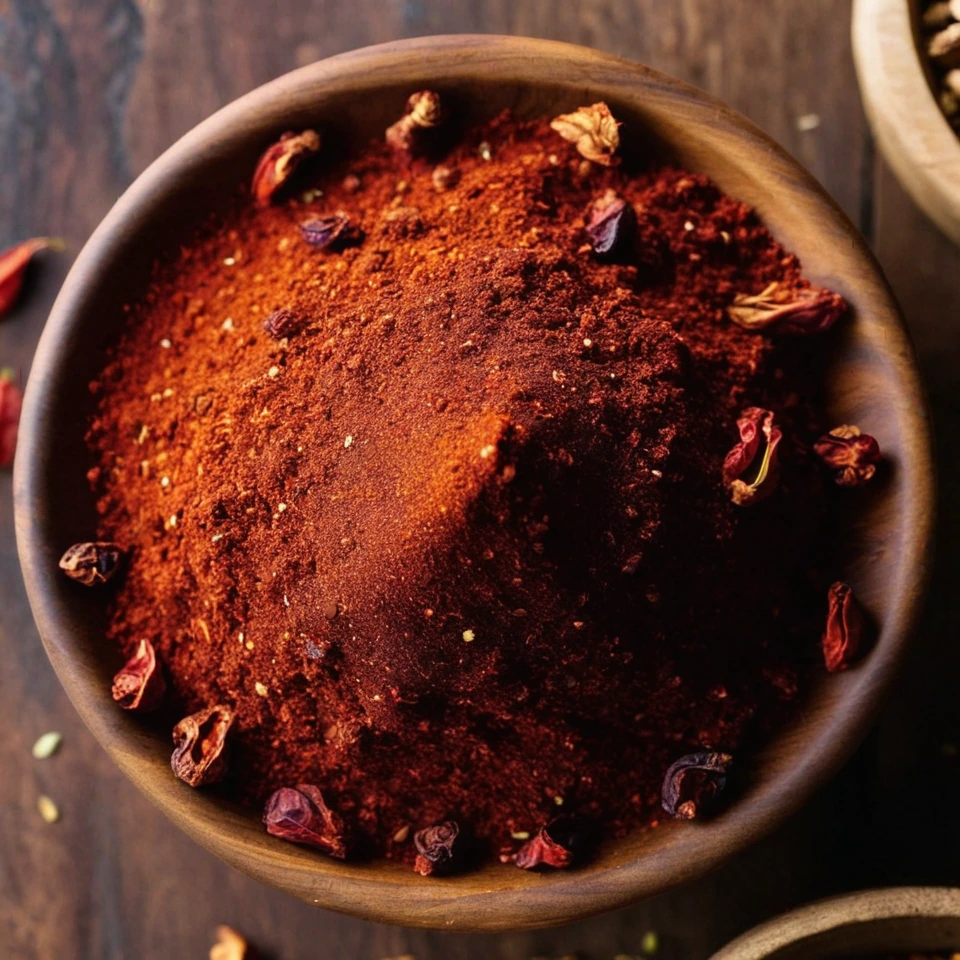
Aleppo Pepper
Aleppo pepper offers a harmonious balance of heat and sweetness, with a subtle fruity aroma reminiscent of sun-dried tomatoes and currants. Originating from the region around Aleppo, Syria, it has a fine, slightly coarse texture that shatters easily between fingers. Its mild yet complex flavor profile makes it a prized seasoning for enhancing dishes without overwhelming them. Valued for its versatility, it bridges the gap between spice and seasoning, bringing a touch of warmth and depth to a variety of cuisines.
Recipes to try

Roasted Zucchini, Corn, and Tomato Pasta Salad
This vibrant pasta salad is bursting with smoky roasted veggies and tangy feta, making every bite a taste of summer.
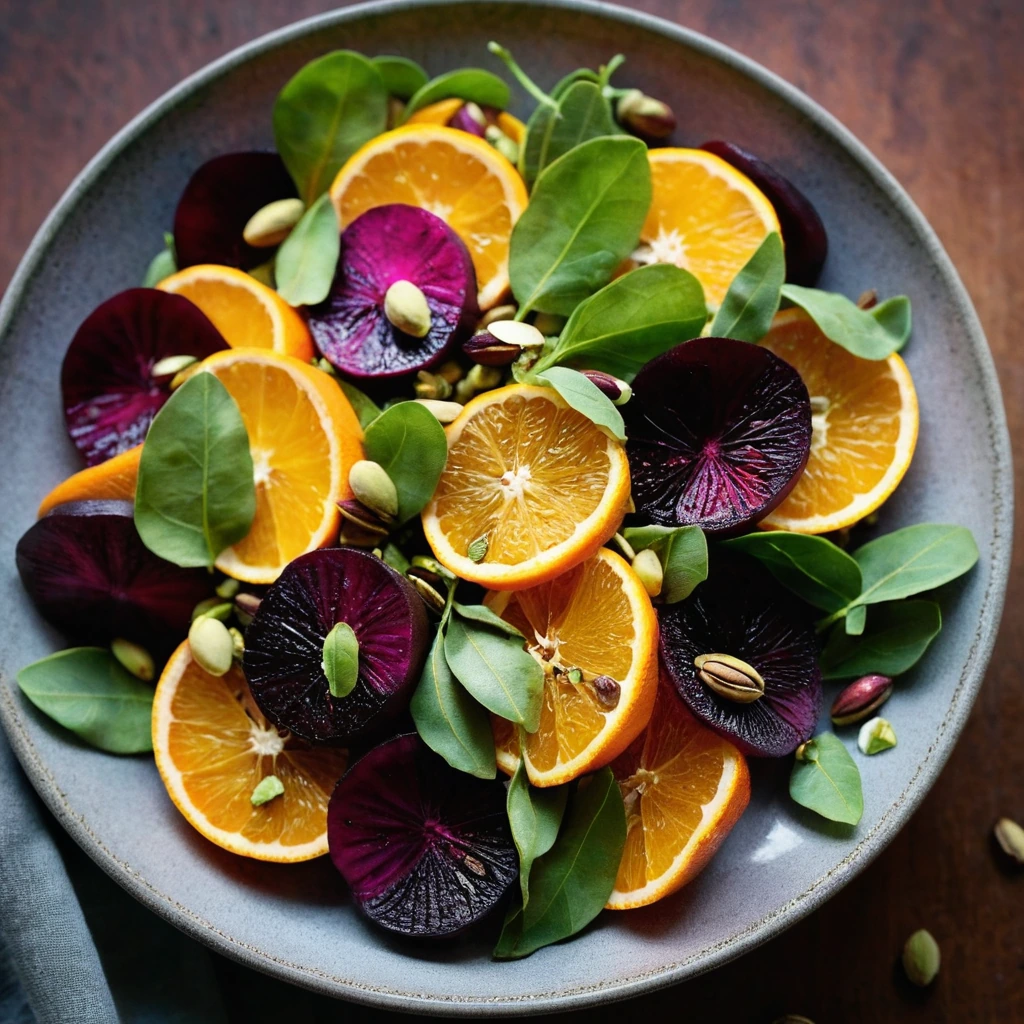
Roasted Beet, Orange, and Pistachio Salad
Warm roasted beets mingle with citrusy orange segments and crunchy pistachios for a vibrant, refreshing salad that sings with color and flavor.