Heat Management Technique: Turning Down Heat Before Adding Dairy
Mastering the art of heat management in the kitchen is crucial for achieving culinary excellence, especially when delicate ingredients like dairy are involved. Adding dairy products to a hot pan can cause them to curdle or separate, ruining the texture and taste of your dish. This technique teaches you how to turn down the heat at the right moment to ensure your sauces, soups, and custards turn out silky smooth and luscious. We'll delve into the science behind why this works, guiding you through the precise steps needed to incorporate dairy seamlessly into your cooking. From understanding the role of proteins in dairy to recognizing the visual cues that indicate the ideal temperature, this technique is a game-changer for any home cook looking to elevate their dishes. By following this method, you'll prevent common mistakes like scorching or curdling and learn how to control your stovetop for perfect results every time.
Notes
The proteins in dairy products coagulate when exposed to high heat, leading to curdling or separation. By turning down the heat before adding dairy, you gently warm the mixture, allowing proteins to unfold slowly without seizing up. A common mistake is adding dairy to a pan that's too hot, so patience is key. Always use a heat-resistant spatula or whisk to stir gently and avoid scratching your cookware. For make-ahead meals, let the mixture cool quickly by placing the pan in an ice bath, then refrigerate promptly. Stored properly in an airtight container, dairy-based sauces can last up to 4 days in the fridge.
Steps
- 1 Prepare your dairy product by measuring it out and keeping it nearby.
- 2 Heat your pan over medium heat with oil or butter, as required by your recipe.
- 3 Add your non-dairy ingredients and cook until just before they reach the desired consistency.
- 4 Reduce the heat to low, ensuring the pan is warm but not hot.
- 5 Gently pour in the dairy product while whisking continuously.
- 6 Allow the mixture to warm gently, stirring often to prevent scorching.
- 7 Look for small bubbles around the edge of the pan as a sign of proper temperature.
- 8 Continue to cook on low heat until the dairy is fully incorporated and the mixture is smooth.
- 9 Adjust seasoning if necessary, keeping in mind the dairy may affect the overall flavor balance.
- 10 Remove from heat immediately to prevent overcooking or curdling.
Ingredients to explore
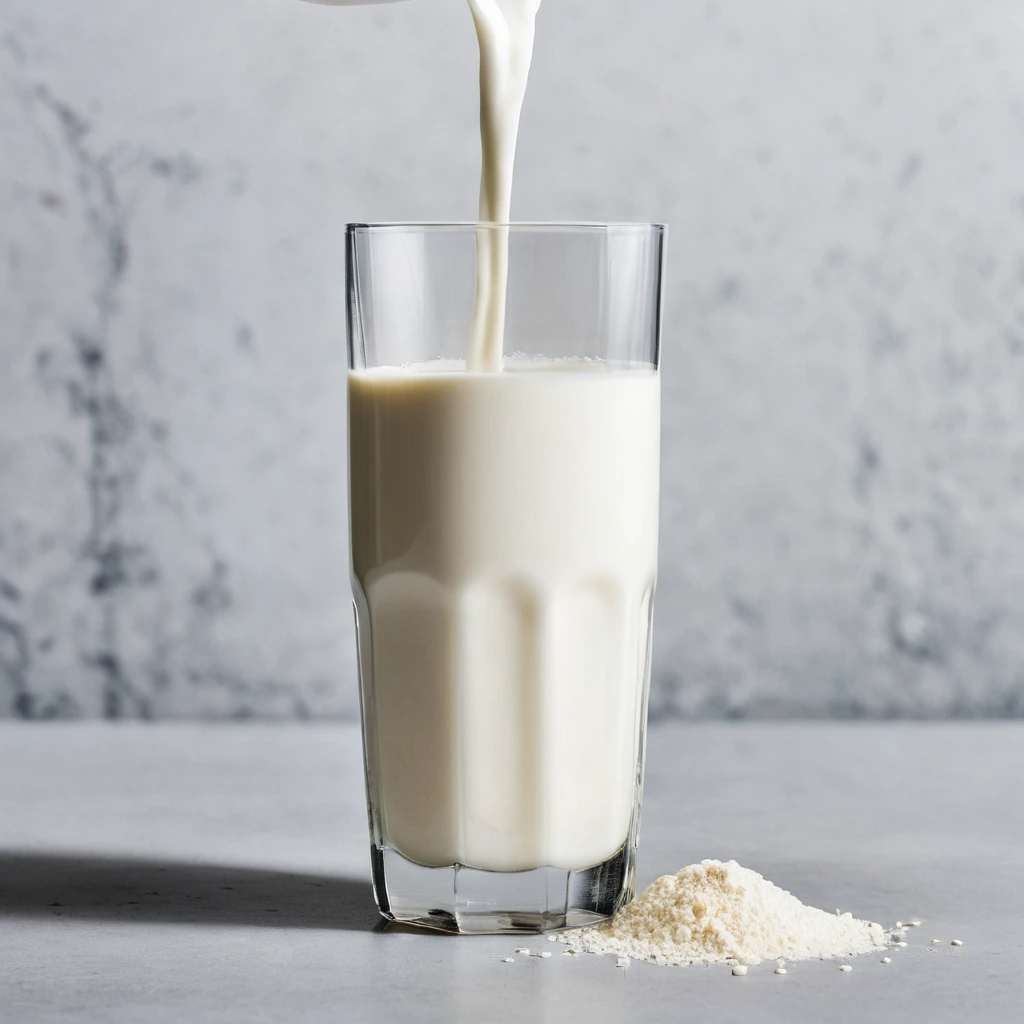
2% Milk
Creamy and just a touch lighter than whole milk, 2% milk offers a perfect balance of richness and reduced fat. Its smooth texture and subtle sweetness make it a delightful choice for sipping or cooking.
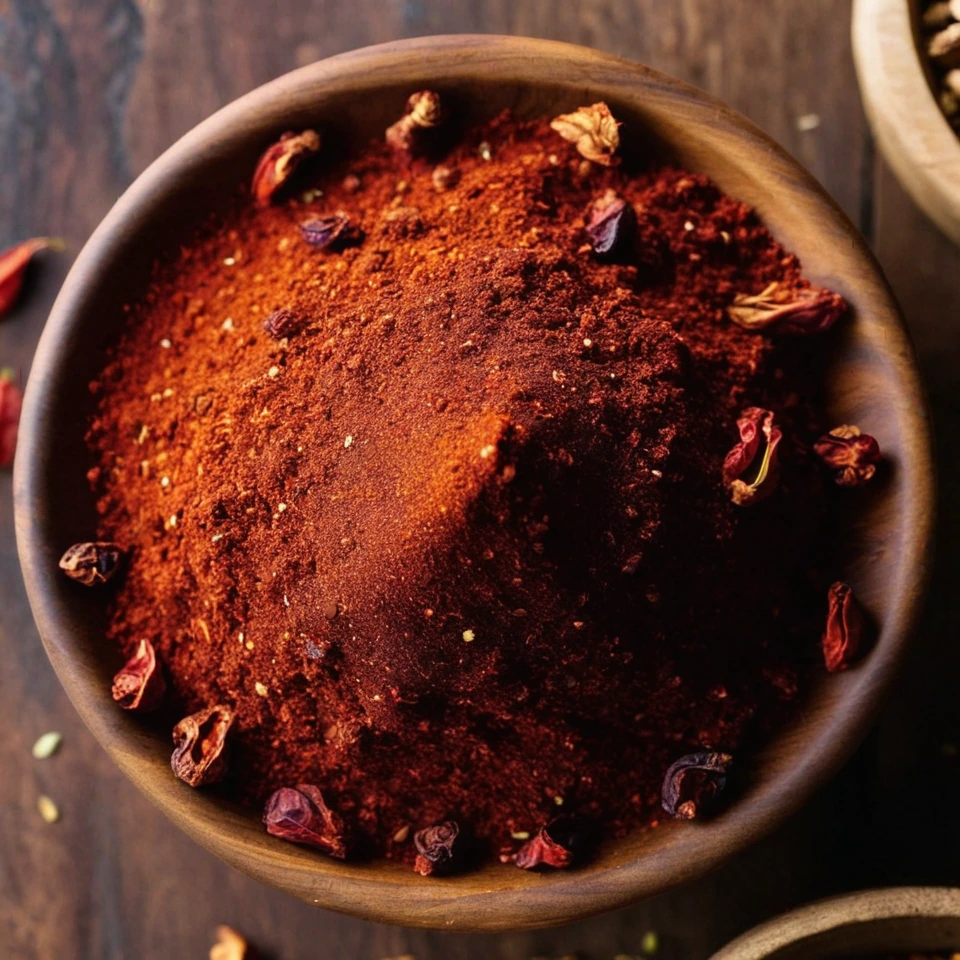
Aleppo Pepper
Aleppo pepper offers a harmonious balance of heat and sweetness, with a subtle fruity aroma reminiscent of sun-dried tomatoes and currants. Originating from the region around Aleppo, Syria, it has a fine, slightly coarse texture that shatters easily between fingers. Its mild yet complex flavor profile makes it a prized seasoning for enhancing dishes without overwhelming them. Valued for its versatility, it bridges the gap between spice and seasoning, bringing a touch of warmth and depth to a variety of cuisines.
Recipes to try

Peanut Butter Chocolate Chip Baked Oat Cups
These oat cups are a cozy hug in every bite, with gooey chocolate chips and a rich peanut butter swirl that makes mornings worth waking up for.
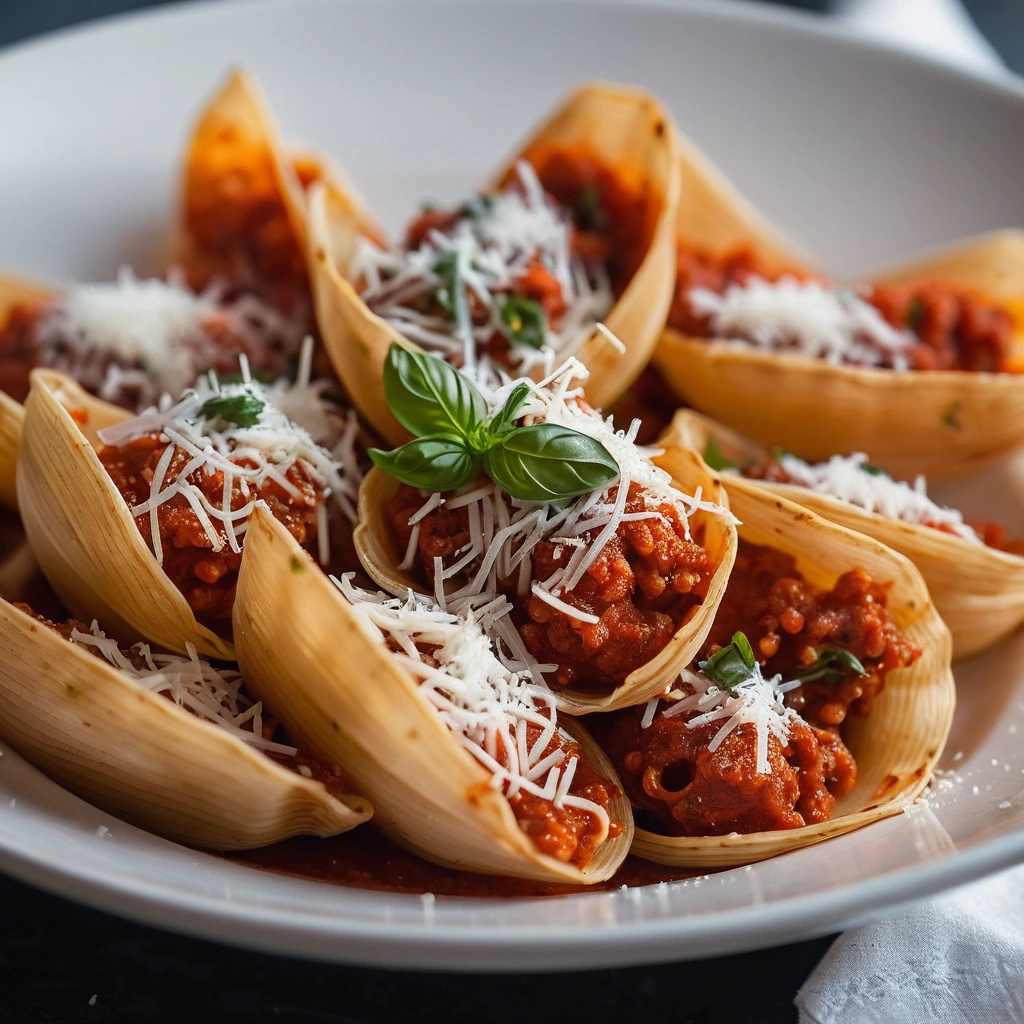
Spicy Arrabbiata Shells with Parmesan
Fiery and fresh, these pasta shells are smothered in a spicy tomato sauce and crowned with nutty Parmesan.