Eggs: Making Perfect Scrambled Eggs
Creating perfect scrambled eggs is an art that balances technique and timing to achieve creamy, tender curds. The key lies in using the right tools, selecting fresh ingredients, and mastering the heat. Fresh eggs are essential because they have a higher water content and thicker whites, contributing to a fluffier texture. The addition of a splash of milk or cream enhances richness, while a pinch of salt early in the process helps break down the proteins, leading to a smoother scramble. The pan choice is crucial; a non-stick skillet allows for lower heat and gentle cooking. The ideal temperature is medium-low to ensure even cooking without browning. Constant stirring is necessary to create small, velvety curds and prevent the eggs from drying out. Achieving perfection requires patience and attention to detail. Overcooking is the enemy, so pulling the eggs just before they appear fully set allows residual heat to finish the cooking process. Seasoning with salt and pepper at the end preserves the delicate flavor. Finally, serving immediately ensures the eggs are enjoyed at their best, offering a taste of culinary bliss.
Notes
The science behind perfect scrambled eggs lies in protein coagulation. Egg proteins begin to coagulate at 144°F, and overcooking causes them to squeeze out moisture, leading to rubbery eggs. By cooking at a lower temperature and stirring frequently, you encourage even heat distribution and gentle protein bonding. A common mistake is using high heat, which can quickly lead to overcooked, dry eggs. To avoid this, maintain a medium-low flame and remain attentive. For make-ahead considerations, scrambled eggs are best served fresh, but if needed, they can be gently reheated in a skillet with a splash of water or milk to restore moisture. Store leftovers in an airtight container in the fridge for up to 2 days.
Steps
- 1 Crack 2 large eggs into a bowl.
- 2 Add 1 tablespoon of milk or cream.
- 3 Season with a pinch of salt.
- 4 Whisk the mixture until well combined and slightly frothy.
- 5 Heat a non-stick skillet over medium-low heat.
- 6 Add 1 teaspoon of unsalted butter to the skillet.
- 7 Once the butter has melted and coats the pan, pour in the egg mixture.
- 8 Gently stir the eggs with a spatula, pushing from the edges to the center.
- 9 Continue stirring constantly, forming soft curds.
- 10 Remove the skillet from heat when the eggs are just set but still slightly runny.
- 11 Transfer the eggs to a plate immediately.
- 12 Season with additional salt and freshly ground black pepper to taste.
- 13 Serve immediately for best texture and flavor.
Ingredients to explore
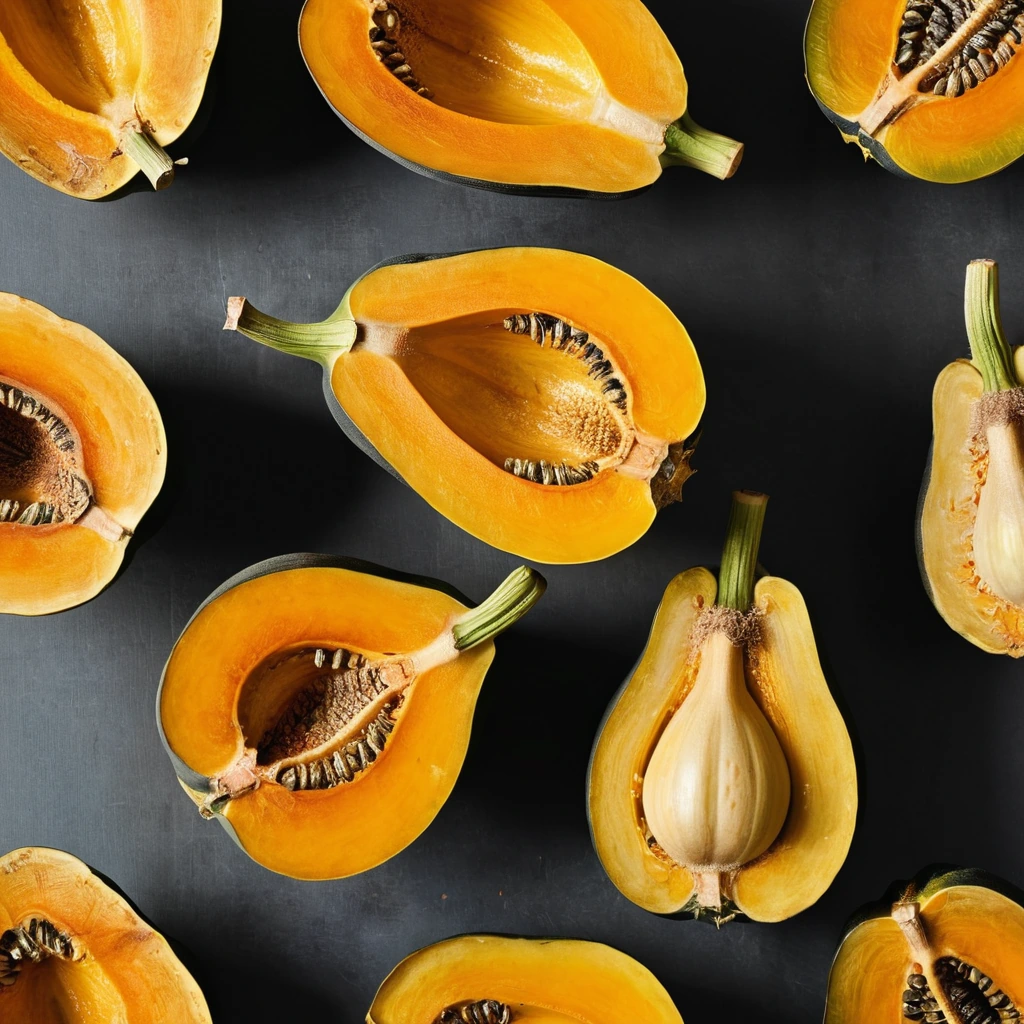
Acorn Squash
Acorn squash is a winter squash variety known for its distinctive teardrop shape and deep ridges resembling the texture of an acorn shell. Originating in the Americas, it has been cultivated for centuries and is a staple in autumn cuisine. The flesh is sweet and nutty with a hint of earthiness, offering a delightful contrast to savory dishes. Its texture is dense yet tender when cooked, making it ideal for roasting or pureeing. In cooking, acorn squash holds its shape well and absorbs flavors from herbs and spices, enhancing both its taste and versatility in recipes.
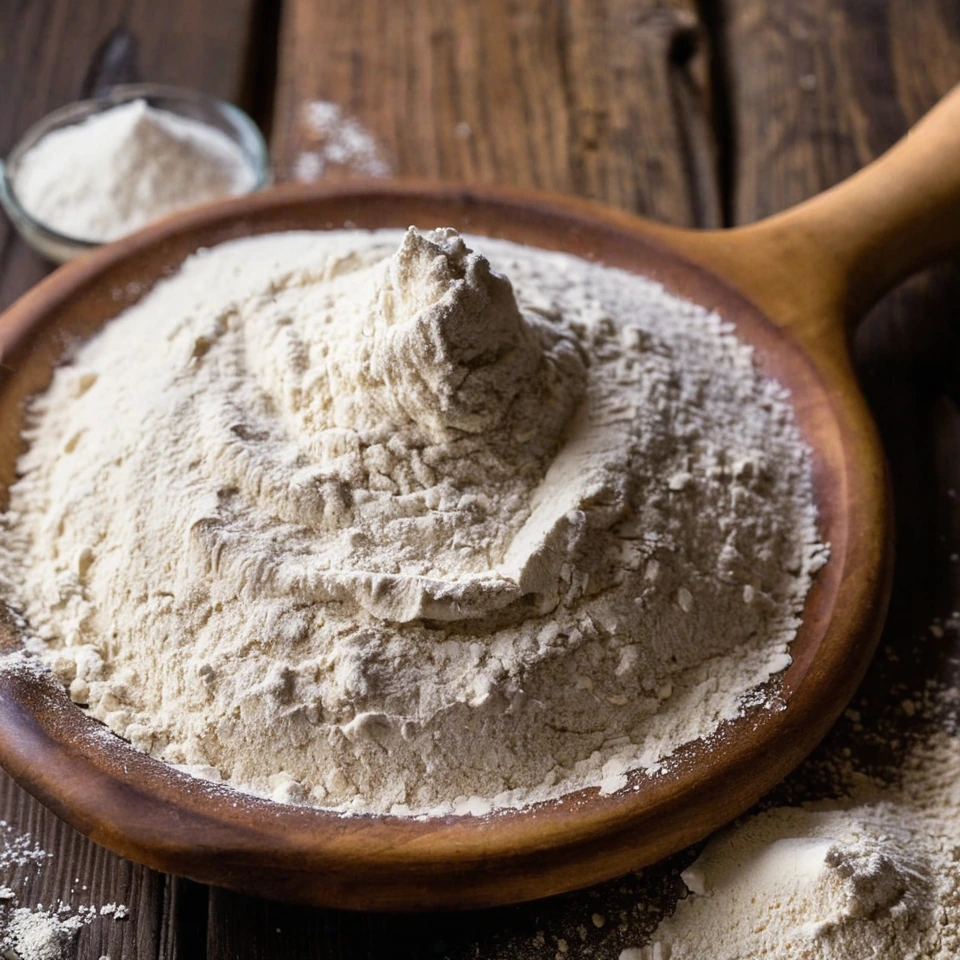
All-Purpose Flour
All-purpose flour is a versatile wheat flour that contains a moderate level of protein and gluten, making it suitable for a wide range of baking and cooking needs.
Recipes to try
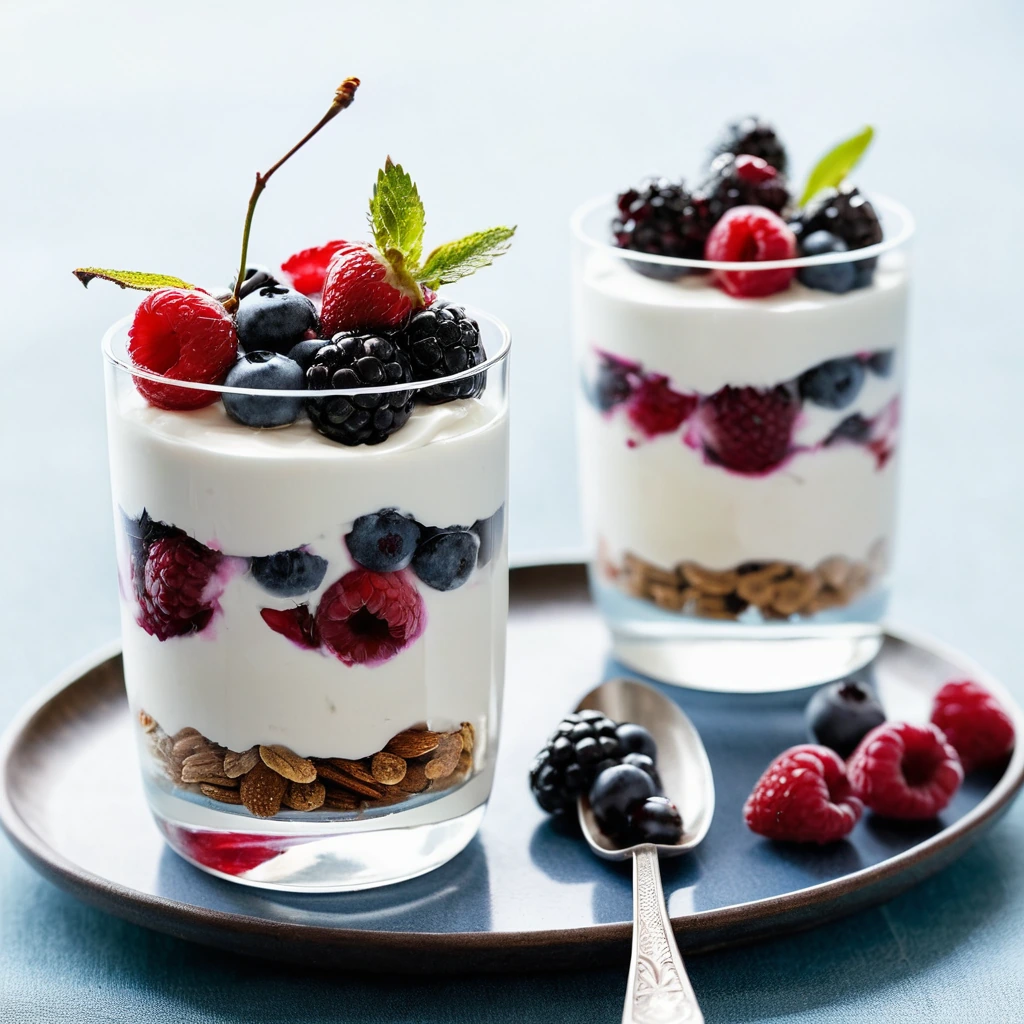
Vanilla Yogurt Parfaits with Roasted Berries
Creamy vanilla yogurt layers kissed by sweet, smoky roasted berries create a parfait that's both comforting and refreshing.
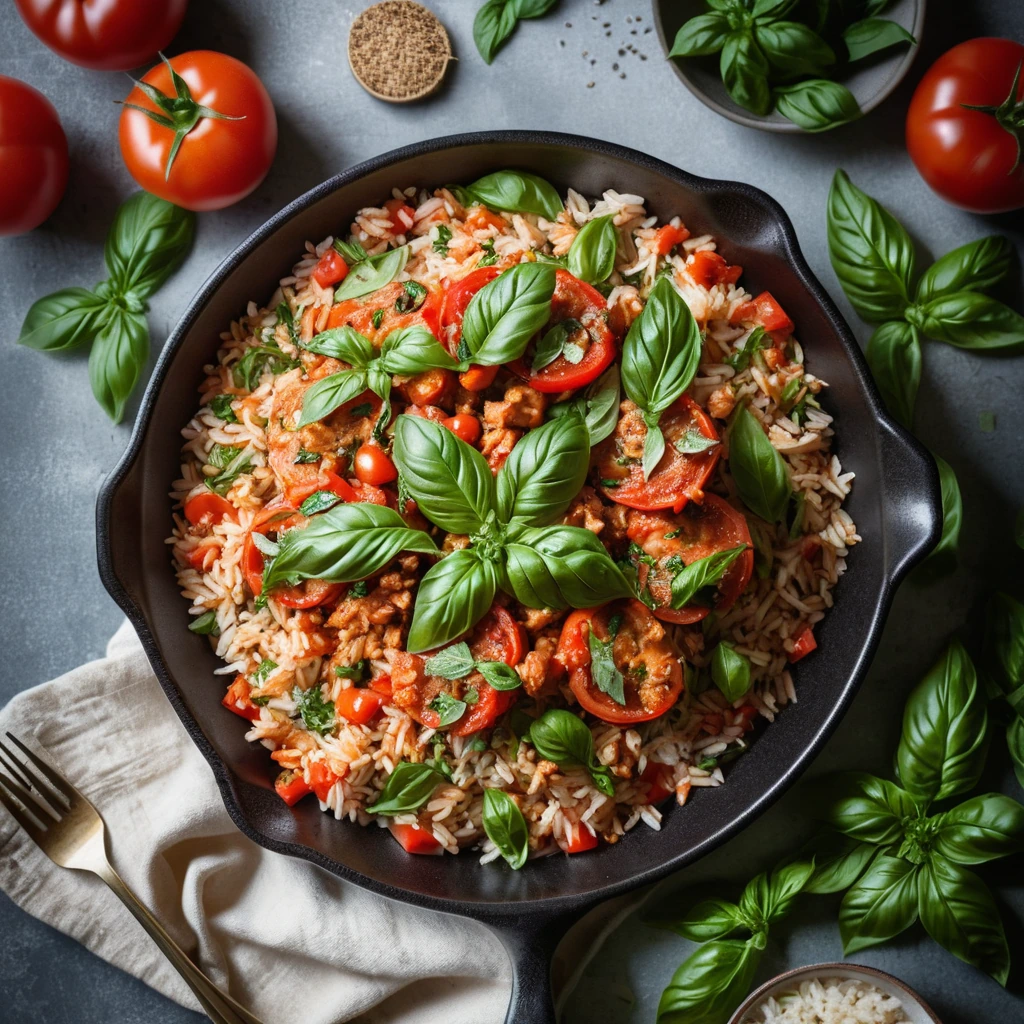
Tomato Basil Chicken and Rice Skillet
Golden chicken and fluffy rice simmered in a vibrant tomato-basil sauce, bursting with fresh garden flavors.