Breakfast: Soft Boiled Eggs with Jammy Yolks
Soft boiled eggs with jammy yolks are a breakfast staple that combines a perfectly set white with a lusciously runny yolk. Achieving this balance requires precision and a gentle touch. The goal is to cook the egg just enough to firm up the white while leaving the yolk velvety and uncooked at the center. This technique is ideal for those who enjoy dipping toast soldiers into a golden, yolky treasure. To master soft boiled eggs, understanding the science behind egg proteins and how they react to heat is crucial. When eggs are gently heated, the proteins in the whites coagulate at a lower temperature than those in the yolks. By controlling the cooking time and temperature, you can create an egg that is a delight to eat and a joy to behold. The process is simple yet requires attention to detail to ensure consistent results. Let’s dive into the specifics of this technique to help you achieve soft boiled perfection every time.
Notes
The science behind this technique lies in understanding protein coagulation. Egg whites solidify between 144°F and 149°F, while yolks begin to set at 149°F and fully solidify at 158°F. Cooking eggs for 6 minutes and 30 seconds allows the whites to set while keeping the yolks runny. Common mistakes include using eggs that are too fresh, which can make peeling difficult, and overcooking, which results in a firm yolk. For easier peeling, use eggs that are a week old. Safety is important: ensure eggs are fresh and consumed immediately after cooking to avoid foodborne illnesses. Soft boiled eggs are best enjoyed right away, but if you must store them, peel and refrigerate promptly, consuming within 24 hours.
Steps
- 1 Place eggs in a single layer in a saucepan.
- 2 Add enough cold water to cover the eggs by about an inch.
- 3 Place the saucepan over medium heat and bring the water to a gentle simmer.
- 4 Once simmering, cook the eggs for exactly 6 minutes and 30 seconds.
- 5 Prepare a bowl of ice water while the eggs cook.
- 6 Using a slotted spoon, transfer the eggs to the ice water immediately after cooking.
- 7 Let the eggs sit in the ice water for 5 minutes to stop the cooking process.
- 8 Gently tap the top of each egg with a spoon to crack the shell.
- 9 Carefully roll the egg on a countertop to loosen the shell.
- 10 Peel the egg under running water to remove all shell fragments.
- 11 Use an egg cup or a small bowl to stand the egg upright.
- 12 Slice off the top with a sharp knife to reveal the jammy yolk.
- 13 Serve immediately with toasted bread or your favorite accompaniment.
Ingredients to explore
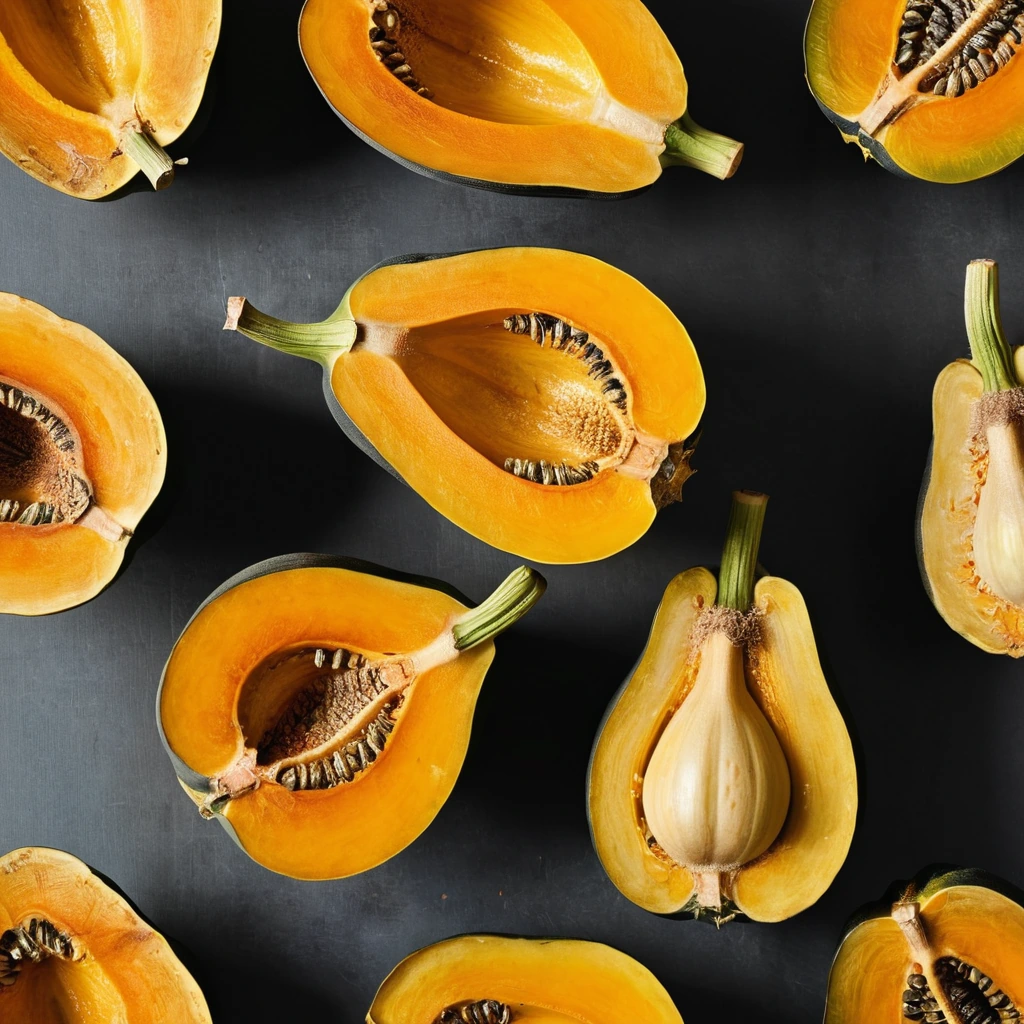
Acorn Squash
Acorn squash is a winter squash variety known for its distinctive teardrop shape and deep ridges resembling the texture of an acorn shell. Originating in the Americas, it has been cultivated for centuries and is a staple in autumn cuisine. The flesh is sweet and nutty with a hint of earthiness, offering a delightful contrast to savory dishes. Its texture is dense yet tender when cooked, making it ideal for roasting or pureeing. In cooking, acorn squash holds its shape well and absorbs flavors from herbs and spices, enhancing both its taste and versatility in recipes.
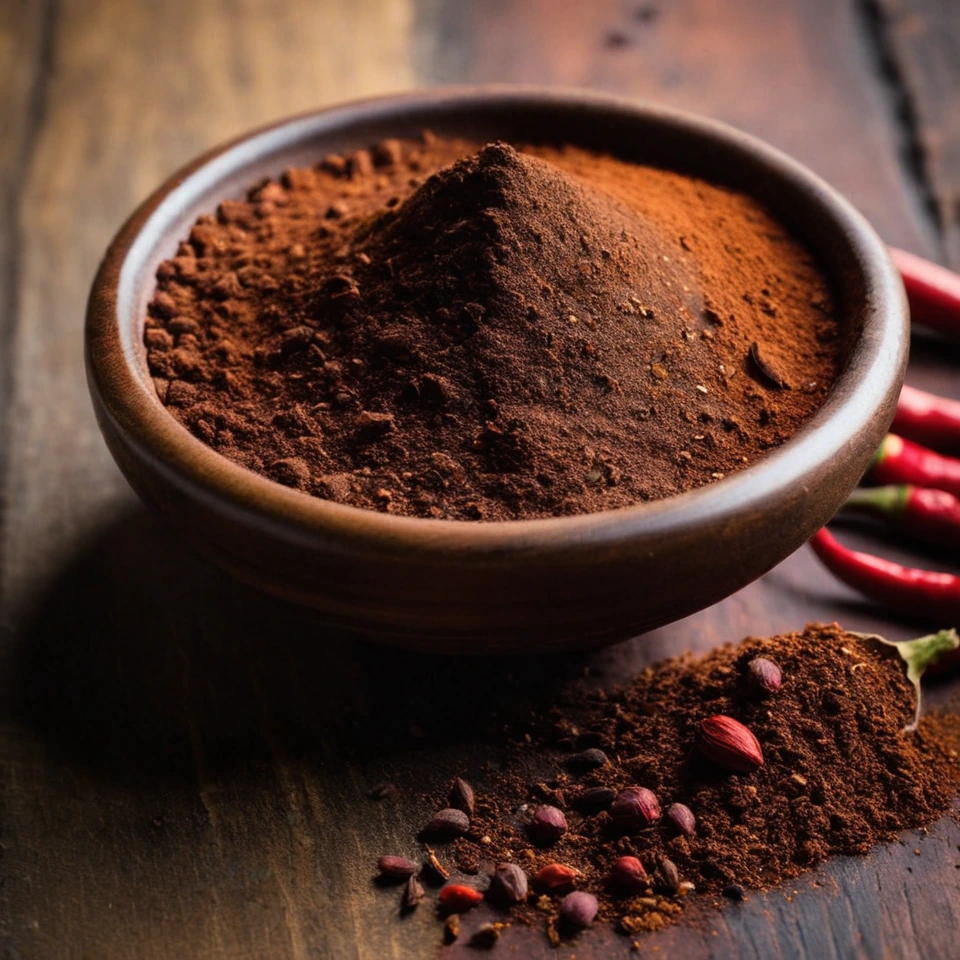
Ancho Chili Powder
Ancho chili powder offers a deep, smoky sweetness with hints of dried fruit and cocoa, reminiscent of its origin as dried poblano peppers from Mexico. Its aroma is warm and inviting, with a mild heat that lingers gently. The texture is fine and velvety, making it easy to incorporate into a variety of dishes. This powder is prized for its ability to add complexity without overwhelming spice, ideal for enriching both traditional Mexican moles and contemporary global cuisines.