Bread: Shaping Sandwich Loaves for Even Slices
Achieving perfectly even slices in your homemade sandwich bread starts with proper shaping techniques. This method ensures that your loaf bakes up with a uniform structure, making it ideal for sandwiches, toast, or any recipe requiring consistent slices. The shaping process involves creating a tight, smooth surface on the dough, which translates to an evenly risen loaf with a professional finish. We'll explore the nuances of shaping, from degassing the dough to the final proofing, to help you master this essential skill. Proper shaping not only enhances the aesthetic appeal but also contributes to the texture and crumb of the bread. By following these steps, you'll gain confidence in producing sandwich loaves that rival those from your favorite bakery. Let's dive into the art of shaping bread to ensure your loaves are as impressive as they are delicious.
Notes
The science behind shaping lies in creating surface tension that allows the loaf to rise evenly. Degassing removes excess air, ensuring a consistent texture. Common mistakes include overhandling the dough, which can deflate it, and not sealing the seam properly, leading to uneven rising. Safety is minimal in this technique, but ensure your oven is preheated accurately to avoid undercooked bread. For storage, allow the bread to cool completely before wrapping in plastic or storing in an airtight container to maintain freshness for up to 3 days.
Steps
- 1 Turn dough out onto a lightly floured surface.
- 2 Gently press down to degas the dough with the heel of your hand.
- 3 Fold the dough in half towards you, then fold the top edge down.
- 4 Rotate the dough 90 degrees and fold the left and right sides into the center.
- 5 Shape the dough into a rough rectangle by gently pressing and stretching.
- 6 Roll the dough tightly from the short end, sealing the seam underneath.
- 7 Place the shaped loaf into a greased 9x5 inch loaf pan, seam side down.
- 8 Cover with a clean kitchen towel and let proof for 45-60 minutes, or until doubled.
- 9 Preheat oven to 375°F before baking.
- 10 Optional: Brush the top with water or egg wash for a glossy crust.
- 11 Bake for 25-30 minutes, or until the internal temperature reaches 190°F.
- 12 Remove from oven and let cool in the pan for 10 minutes.
- 13 Turn out onto a wire rack to cool completely before slicing.
Ingredients to explore

Andouille Sausage
Andouille sausage is a coarse-grained, smoked pork sausage with a rich history rooted in French cuisine, particularly from the Alsace region. It was adapted in Louisiana, where it became a staple in Cajun and Creole cooking. The sausage is known for its robust, smoky flavor with hints of garlic, pepper, and other spices, creating a spicy and savory profile. Its texture is firm yet slightly chewy, making it a hearty addition to dishes. When cooked, andouille sausage maintains its shape well and infuses dishes with its distinctive smoky essence, enhancing stews, soups, and rice dishes.

Acorn Squash
Acorn squash is a winter squash variety known for its distinctive teardrop shape and deep ridges resembling the texture of an acorn shell. Originating in the Americas, it has been cultivated for centuries and is a staple in autumn cuisine. The flesh is sweet and nutty with a hint of earthiness, offering a delightful contrast to savory dishes. Its texture is dense yet tender when cooked, making it ideal for roasting or pureeing. In cooking, acorn squash holds its shape well and absorbs flavors from herbs and spices, enhancing both its taste and versatility in recipes.
Recipes to try
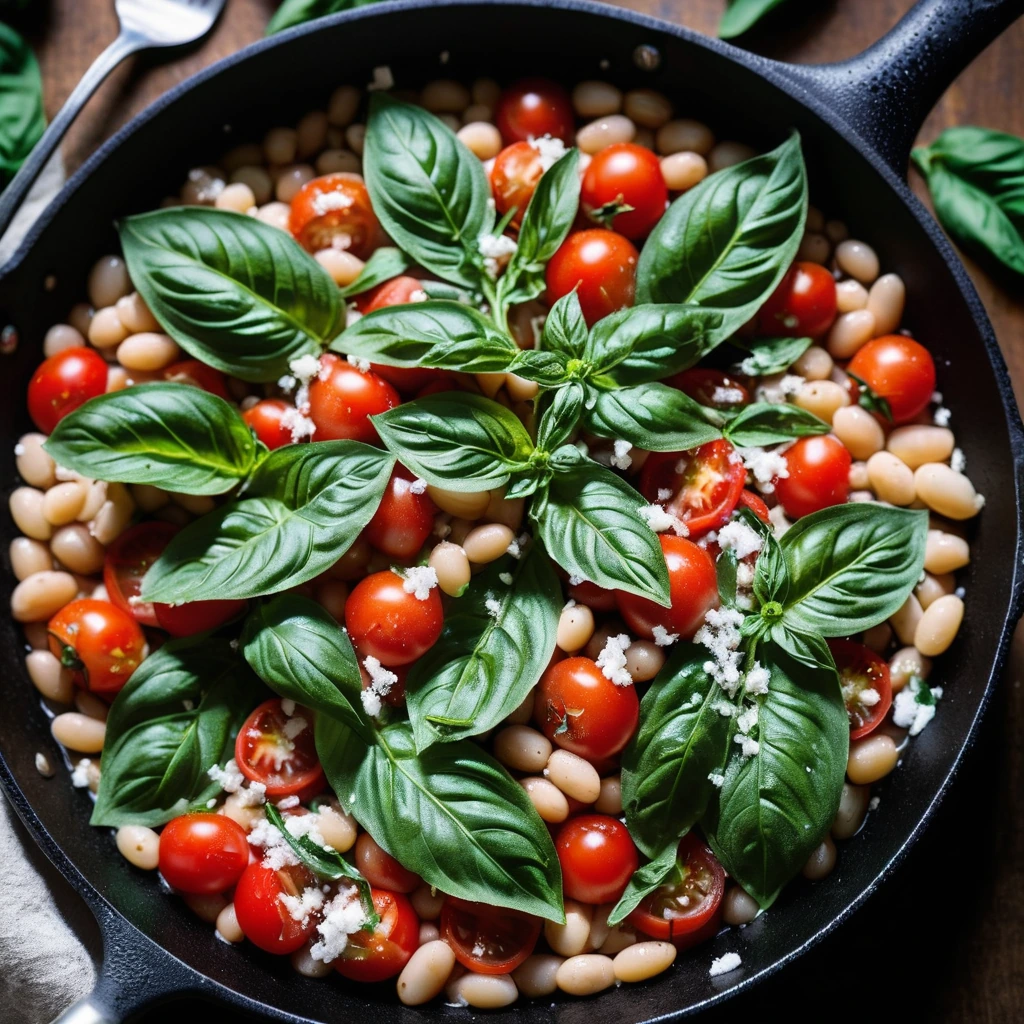
Tomato Basil White Bean Skillet with Parmesan
A comforting skillet packed with creamy white beans, ripe tomatoes, and fragrant basil, all topped with a generous sprinkle of Parmesan.
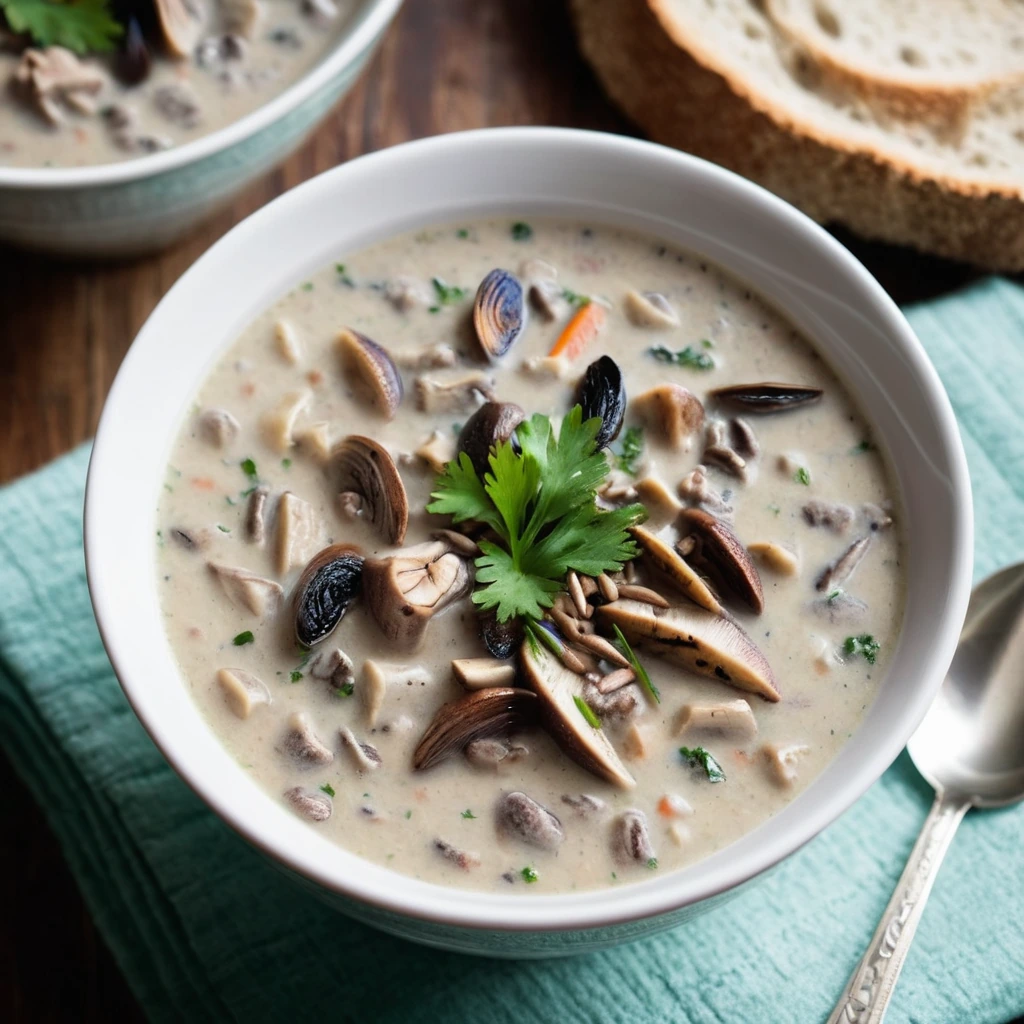
Turkey and Wild Rice Mushroom Soup
Warm up with this hearty soup, brimming with tender turkey, earthy wild rice, and a medley of savory mushrooms in a rich, comforting broth.