Baking: Measuring by Weight vs Volume
When it comes to baking, precision is key. Measuring ingredients accurately can mean the difference between a fluffy cake and a dense brick. Historically, home cooks have relied on volume measurements, using cups and spoons to scoop and level their ingredients. However, professional bakers often turn to measuring by weight, using a kitchen scale to ensure consistency. Measuring by weight offers several advantages, including greater accuracy and repeatability. Volume measurements can vary due to how densely an ingredient is packed into a measuring cup, leading to inconsistencies. Flour, for example, can vary significantly in volume depending on whether it's sifted, spooned, or scooped directly from the bag. By contrast, weight measurements are absolute—a cup of flour might weigh anywhere from 4 to 5 ounces, but 120 grams is always 120 grams. This precision translates to more reliable results, especially in delicate recipes like macarons or chiffon cakes. Additionally, measuring by weight is more efficient, reducing the number of dishes to wash. This technique is particularly useful when scaling recipes up or down. While transitioning to weight measurements might seem daunting, it's surprisingly straightforward with a reliable digital scale. Understanding the principles behind measuring by weight versus volume can elevate your baking from good to great, ensuring that your treats turn out perfectly every time.
Notes
Measuring by weight works because it eliminates the variability inherent in volume measurements. Factors like humidity can affect how much flour fits into a cup, but weight remains constant. Troubleshooting common mistakes involves ensuring your scale is on a flat surface and properly calibrated. Safety is not a major concern with this technique, but always ensure your scale is in good working order. For make-ahead and storage, keep your scale clean and dry, and consider writing down the weights of your favorite recipes for quick reference in the future.
Steps
- 1 Choose a digital kitchen scale that measures in grams.
- 2 Place a mixing bowl on the scale and press the tare button to reset to zero.
- 3 Add your dry ingredients directly to the bowl until you reach the desired weight.
- 4 Press tare after each ingredient to reset the scale for the next one.
- 5 For liquids, use a liquid measuring cup placed on the scale to ensure accuracy.
- 6 Measure sticky ingredients like honey by spraying the bowl with cooking spray first.
- 7 Record weights of ingredients for future use to maintain consistency.
- 8 Check your scale's calibration periodically to ensure accurate measurements.
- 9 Clean your scale after each use to prevent cross-contamination of flavors.
Ingredients to explore
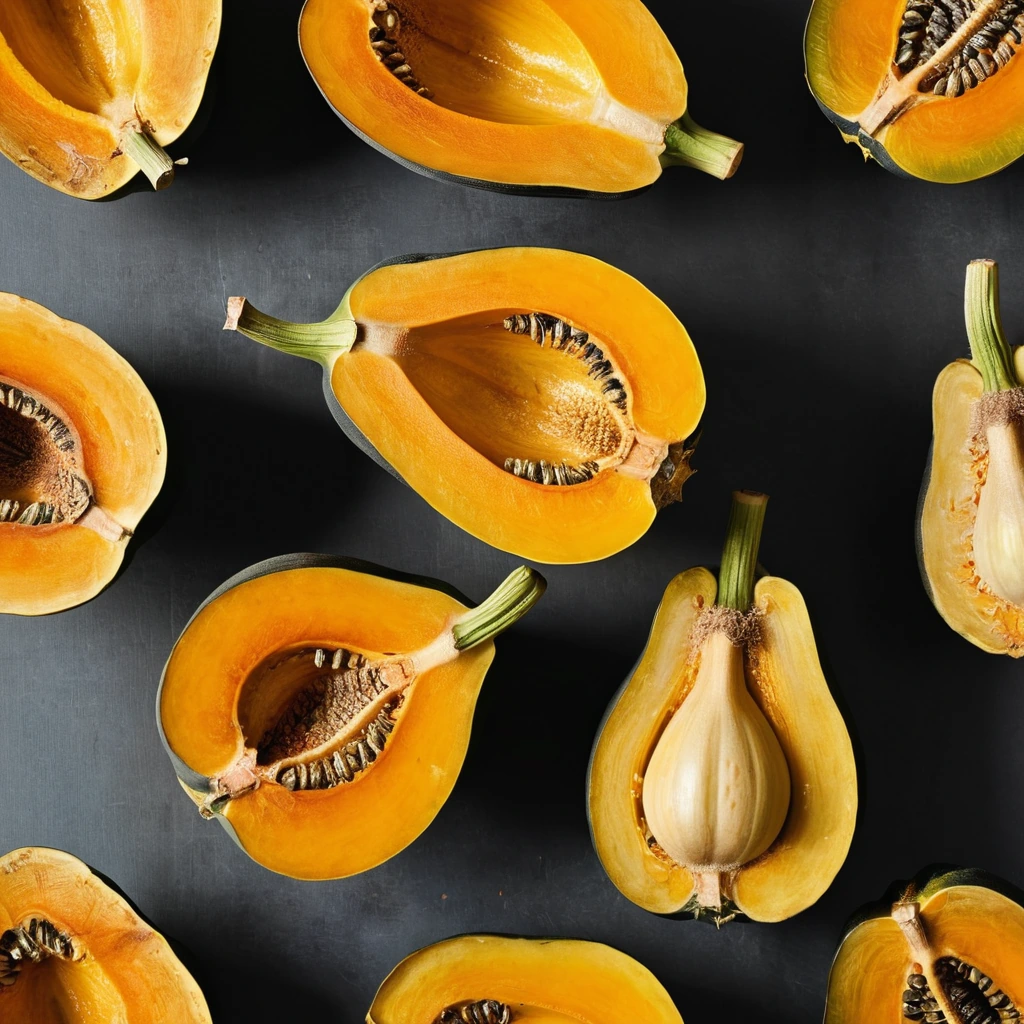
Acorn Squash
Acorn squash is a winter squash variety known for its distinctive teardrop shape and deep ridges resembling the texture of an acorn shell. Originating in the Americas, it has been cultivated for centuries and is a staple in autumn cuisine. The flesh is sweet and nutty with a hint of earthiness, offering a delightful contrast to savory dishes. Its texture is dense yet tender when cooked, making it ideal for roasting or pureeing. In cooking, acorn squash holds its shape well and absorbs flavors from herbs and spices, enhancing both its taste and versatility in recipes.
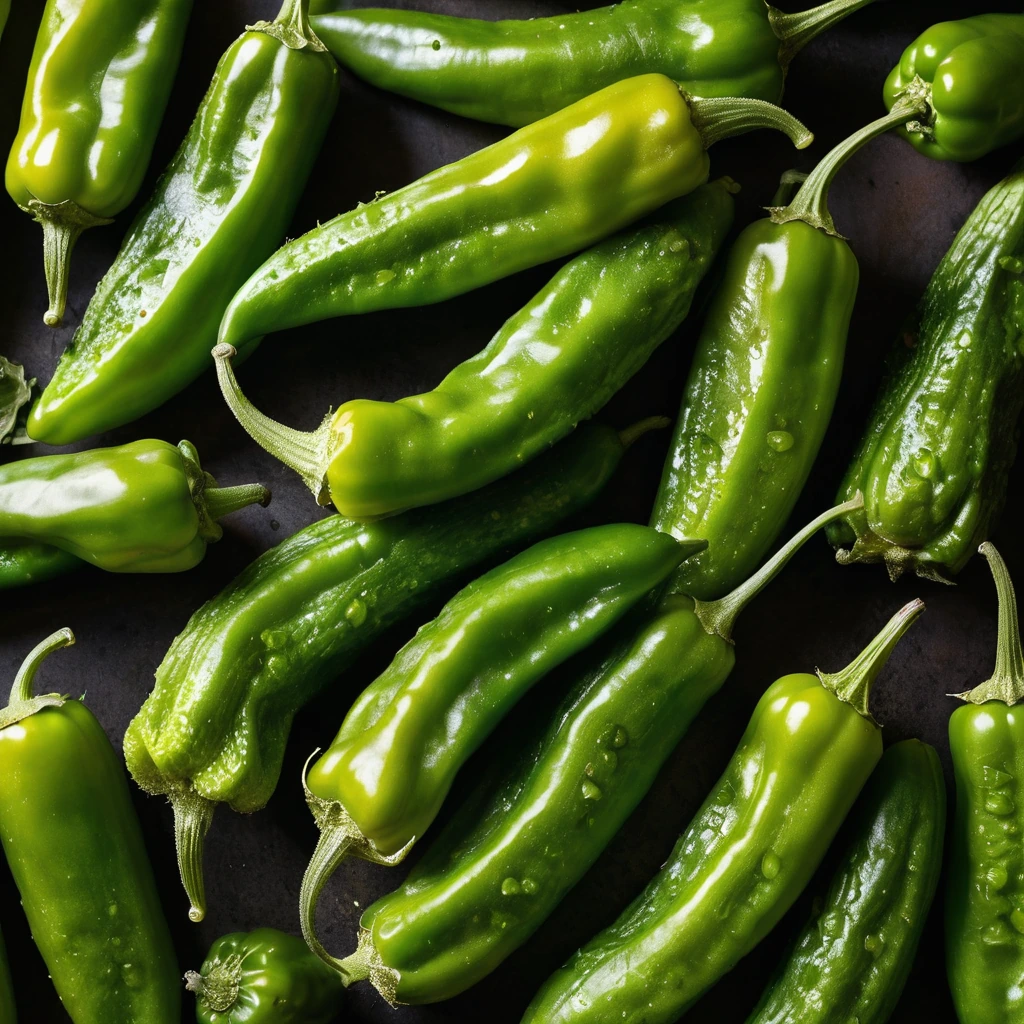
Anaheim Peppers
Anaheim peppers are a mild chili pepper variety named after Anaheim, California, where they were first cultivated commercially. Originating from the New Mexico region, these peppers are celebrated for their versatility and gentle heat. They possess a flavor that is mildly sweet with a subtle tang, and a pleasant vegetal note reminiscent of green bell peppers, but with a hint of spice. Their texture is firm and crisp when fresh, becoming tender and slightly smoky when roasted or cooked. In cooking, Anaheim peppers behave well across a range of techniques, from grilling and roasting to stuffing and sautéing, contributing a nuanced depth without overwhelming other ingredients with heat.
Recipes to try
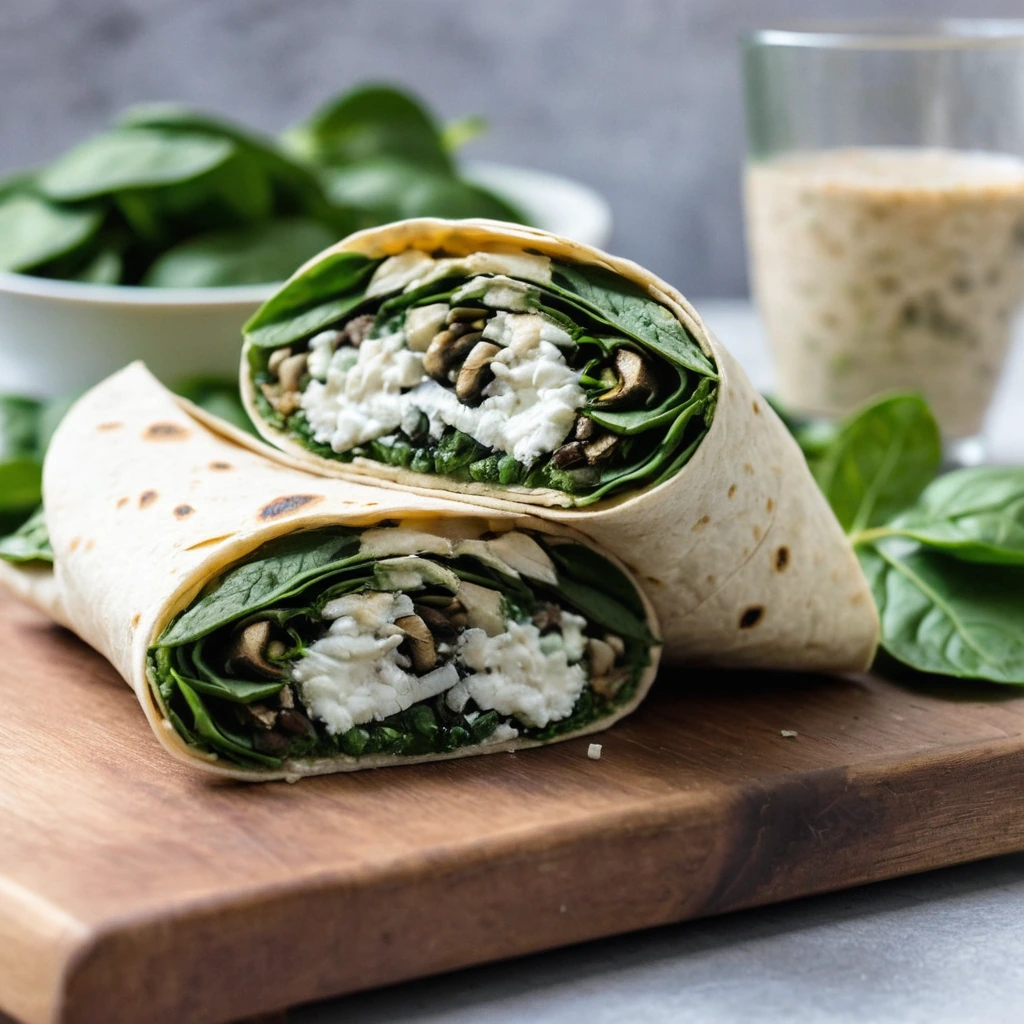
Spinach, Mushroom, and Feta Breakfast Wraps
These wraps are a cozy morning hug in a tortilla—creamy feta, earthy mushrooms, and vibrant spinach meld into a hearty breakfast.
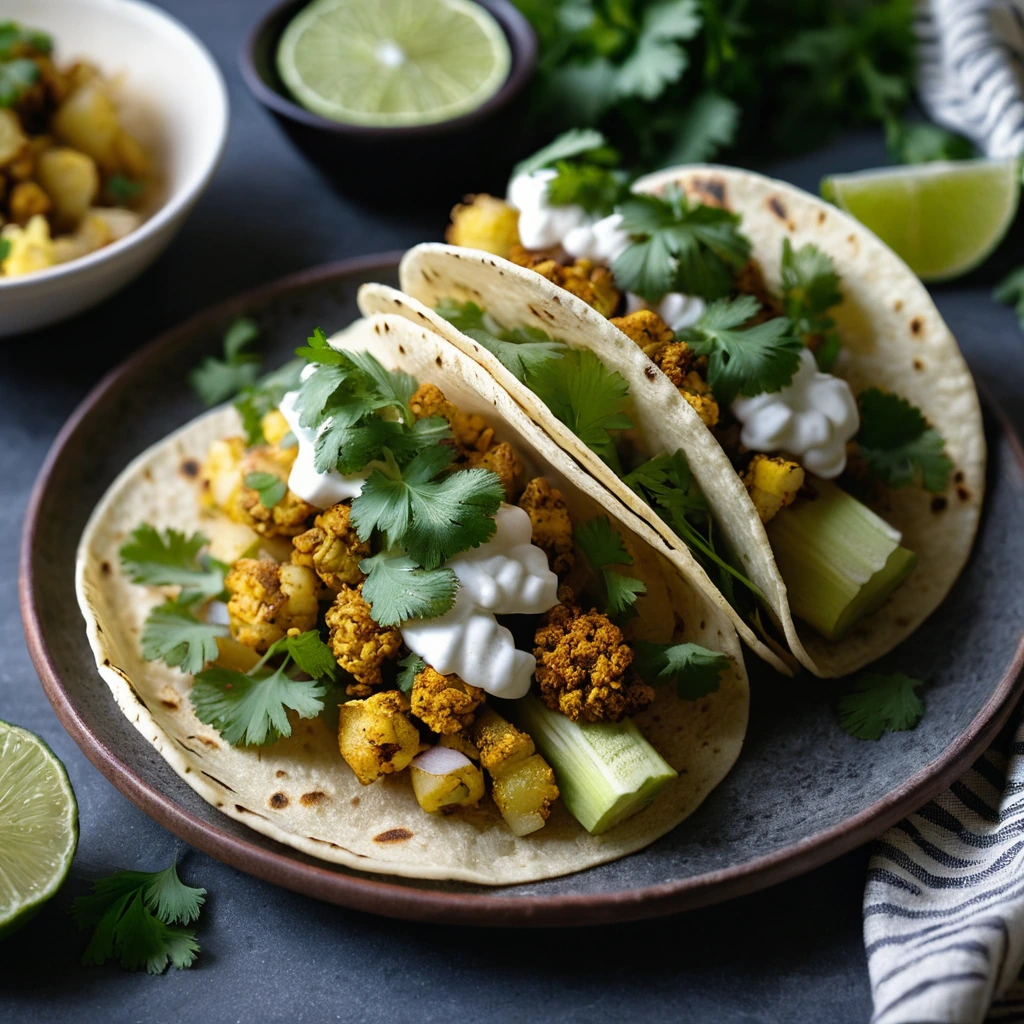
Spiced Cauliflower and Potato Street Tacos
Crispy spiced cauliflower and tender potatoes packed into warm tortillas for a veggie-packed taco night.